The Secret Cuts: Moving Beyond the Ribeye and Sirloin
An educational guide to the rare, intricate cuts of Wagyu. Discover Misuji, Zabuton, and Ichibo, and learn why Japanese butchers slice down to the single muscle.
The Secret Cuts: Moving Beyond the Ribeye and Sirloin
If you visit a classic American or European steakhouse, the menu is almost always dominated by three famous cuts: the Ribeye, the Sirloin (New York Strip), and the Filet Mignon (Tenderloin). Western butchery tends to divide the cow into large, primal sections, focusing on massive, thick steaks designed for solitary consumption.
Japanese butchery, however, is an entirely different art form.
When you sit down at a high-end Tokyo Yakiniku restaurant, you will be handed a menu featuring dozens of specific, highly intricate cuts that you have likely never heard of. Because Japanese chefs cook the meat in small, bite-sized slices rather than serving massive 16-ounce steaks, they are able to dissect the cow down to individual, highly specialized muscle groups.
To truly master Wagyu, you must move beyond the Ribeye and learn to navigate the secret, intricate world of Japanese cuts.
Chapter 1: The Art of Dissection
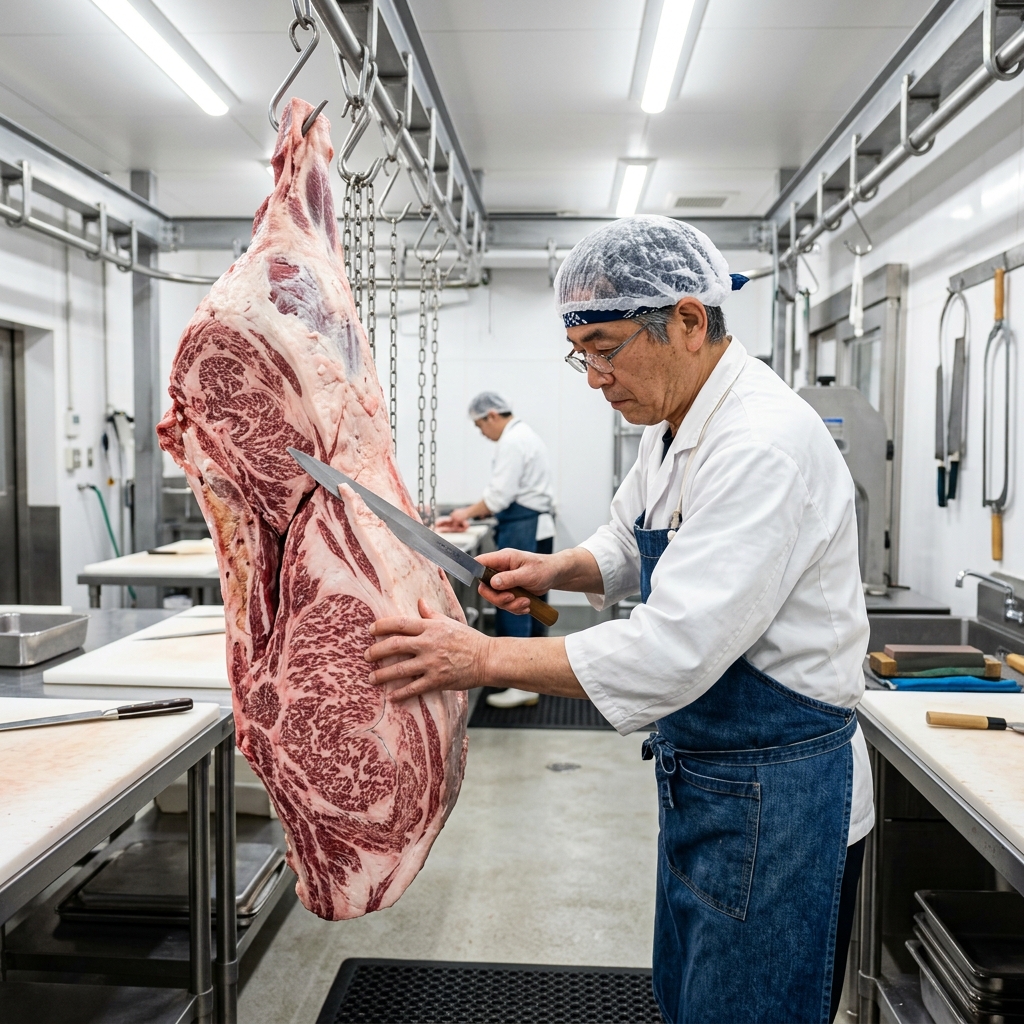
The Japanese approach to butchery is deeply philosophical. Every single muscle in the cow works differently, bears weight differently, and therefore possesses a entirely different texture, fat content, and flavor profile. A master Japanese butcher treats a carcass like an intricate puzzle, carefully separating muscles along their natural seams.
While Western butchery might grind tough shoulder meat into hamburger, Japanese butchers will carefully dissect the shoulder to extract tiny, incredibly flavorful sub-muscles that are perfect for brief searing.
The Famous Three (And Why They Are Just the Beginning)
- Sirloin (サーロイン): The king of steaks. In A5 Wagyu, this cut is almost entirely white with marbling. It is incredibly rich, sweet, and literally melts in your mouth without chewing.
- Rib Rosu (リブロース / Ribeye): Even more heavily marbled than the Sirloin, the Ribeye in A5 Wagyu is so rich it is often sliced paper-thin and used for Sukiyaki, as eating it as a thick steak would induce immediate "fat fatigue."
- Hire (ヒレ / Tenderloin): The most tender muscle on the cow because it does almost no work. It is highly prized, but in commercial A5, it still contains significant marbling.
While these three cuts are undeniably luxurious, they only tell a fraction of the Wagyu story. To find the true character of the meat, you must look closer.
Chapter 2: The Secret Menu
When you graduate from the basic cuts, you enter the realm of the Yakiniku connoisseur. These cuts are often limited in quantity because only a very small amount can be extracted from a single cow.
Misuji (ミスジ / Oyster Blade)
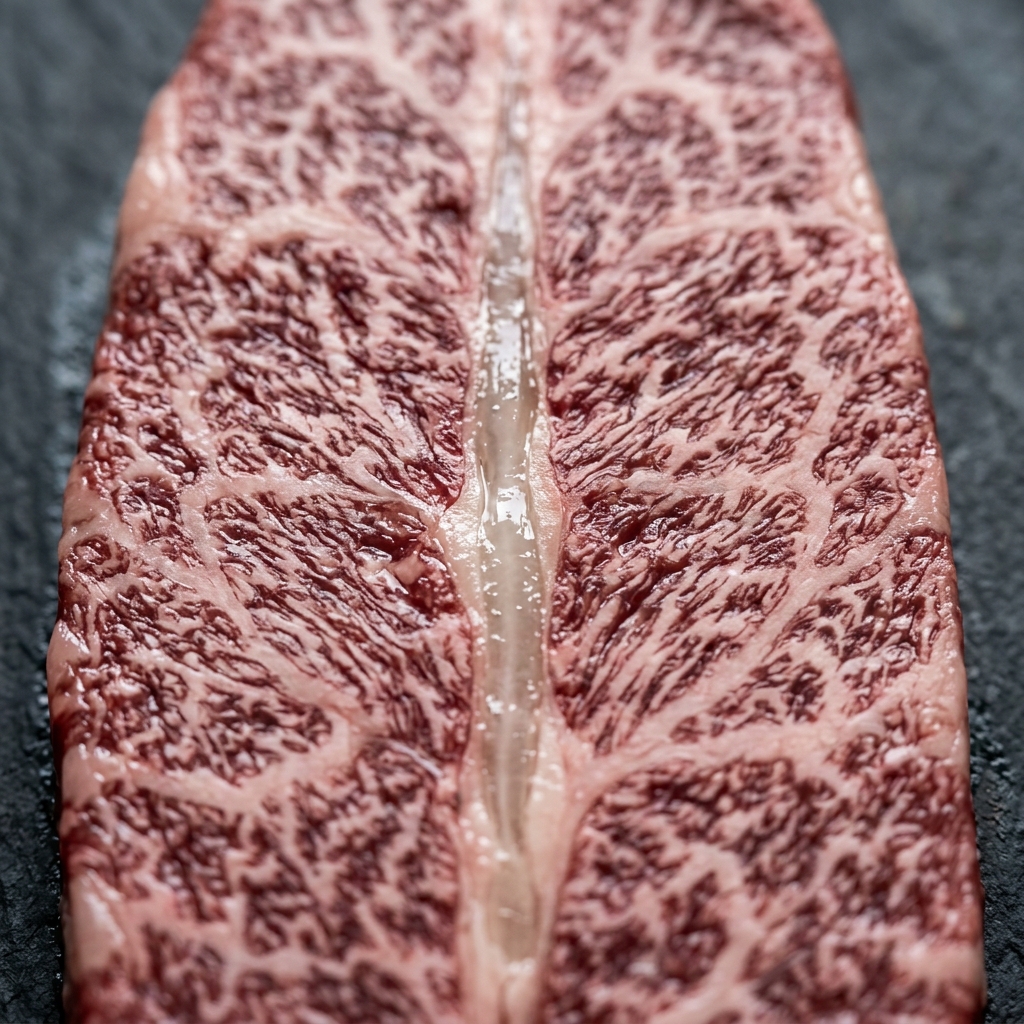
Extracted from the shoulder blade, Misuji is perhaps the most visually stunning cut of Wagyu. It features a highly distinctive, beautiful leaf-like marbling pattern radiating outward from a clear line of gelatinous cartilage running exactly down its center. Because it comes from a hard-working shoulder muscle, it possesses deep, robust flavor, but the intense marbling keeps it meltingly soft.
Zabuton (ザブトン / Chuck Flap)
"Zabuton" translates to "Japanese floor cushion," which perfectly describes the shape and extreme softness of this cut. Located near the neck and shoulder, it is heavily marbled. It is incredibly rich and sweet, often considered the most luxurious cut of the entire forequarter.
Ichibo (イチボ / Picanha or Rump Cap)
Extracted from the upper hindquarters (the rump), Ichibo is a cut of contrasting textures. It features a beautiful, thick cap of fat on top, but the meat itself is denser and much more flavorful than a Sirloin. It provides the perfect balance between the melting sweetness of fat and the savory chew of actual muscle.
Harami (ハラミ / Outside Skirt)
Counterintuitively, in Japan, Harami is technically classified as offal (horumon) because it is a diaphragm muscle. However, it looks and eats exactly like red meat. Because it is a constantly working muscle that helps the cow breathe, Harami is incredibly dense, dark red, and packed with the most intense, savory beef flavor of any cut on the menu.
Chapter 3: The True Test of Red Meat (Uma-Aka)
When you are eating A5 commercial Wagyu, the difference between these cuts is mostly a matter of fat distribution. A Misuji is fatty, a Zabuton is fatty, and a Sirloin is fatty. The fat dominates the palate, often masking the subtle differences in the actual muscle fiber.
However, when you strip away the extreme fat and eat true red meat, the Japanese butcher's art form is truly revealed.
Experience the True Taste of Red Meat in Tokyo If you want to understand exactly why the Japanese butcher down to single muscles, you must eat meat where the muscle is the star, not the fat. You must eat Ibusana Beef.
Raised exclusively in Miyazaki Prefecture and descended from ancient, un-marbled genetics, Ibusana is the ultimate expression of "Uma-Aka" (delicious red meat). Because the meat is incredibly dense, dark, and devoid of overwhelming white fat, every single cut tastes drastically different.
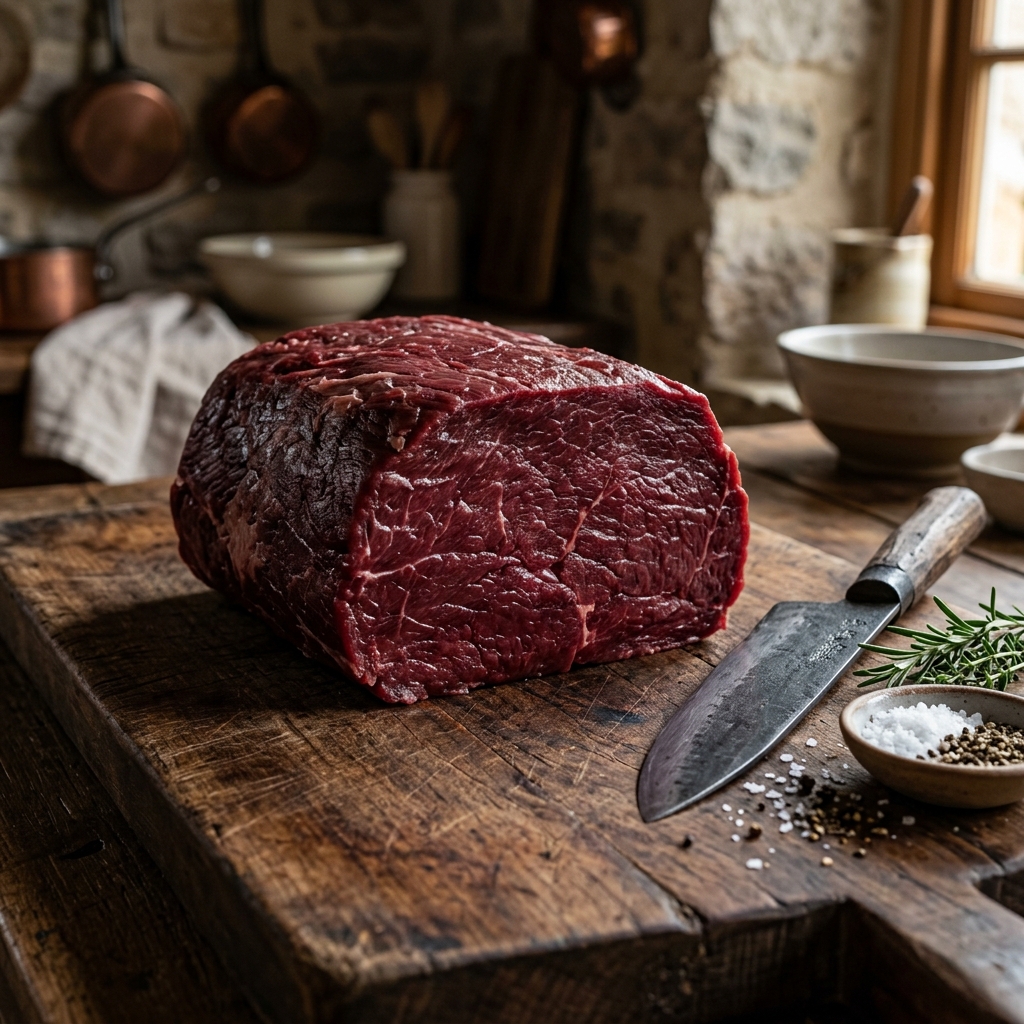
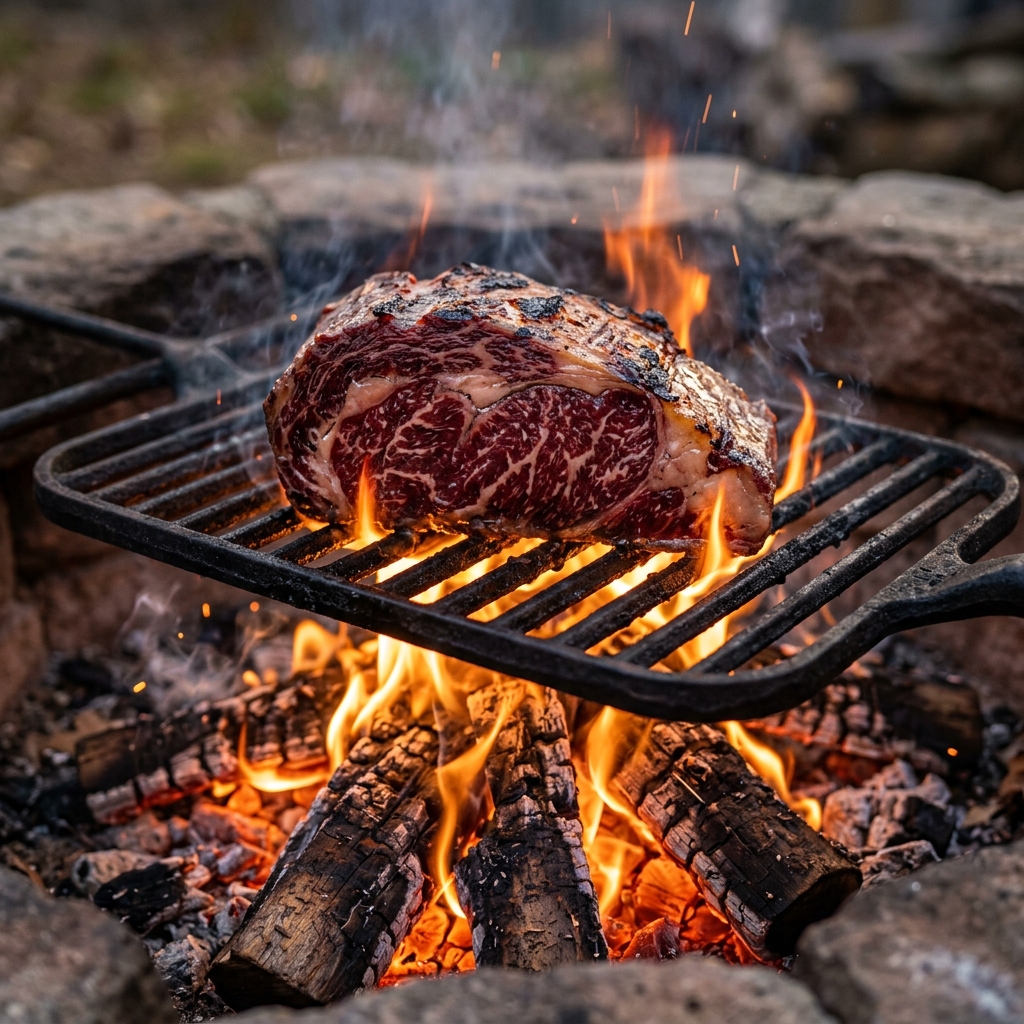
When you eat an Ibusana Misuji, you taste the profound, robust, gamey flavor of a hard-working shoulder. When you eat an Ibusana Chateaubriand (pictured above), you experience an incredibly tender, luxurious texture, but it delivers a wildly powerful, iron-rich umami that an A5 Tenderloin completely lacks.
Without the fat to mask the flavor, Ibusana reveals the true, distinct character of every single muscle on the cow. To experience this educational and deeply satisfying culinary journey, reserve your table exclusively at Wagyu Yakiniku Ibusana in Tokyo.
Kazuya Akanuma
Wagyu Specialist | Restaurant Consultant | Serial EntrepreneurA seasoned restaurateur and business owner who has successfully founded and managed premier Sushi venues, traditional Yakiniku grills, and high-end Cafe Bars in Tokyo. As an active restaurant consultant, he possesses a rare, 360-degree understanding of the culinary market. Fueled by a relentless passion for culinary craft, he dines at over 600 establishments annually—ranging from ultra-exclusive, reservation-only masterpieces to legendary neighborhood ramen shops. He leverages his insider access and decades of industry experience to guide global travelers to the absolute summit of authentic Japanese dining.
Related Articles
Decoding the Yakiniku Menu: A Connoisseur’s Biology Guide to Ordering Rare Offal (Horumon) Cuts
The Sommelier's Blueprint: Molecular Science of Pairing Wagyu with Sake, Wine, and Green Tea