The Sommelier's Blueprint: Molecular Science of Pairing Wagyu with Sake, Wine, and Green Tea
Deconstruct fat-beverage pairing physics. Learn why bold red wines clash with low-melting-point Wagyu fats, and how sake organic acids and warm green tea catechins emulsify and cleanse the palate.
Reimagining the Steakhouse Beverage Paradigm
For decades, the universal law of Western dining has been: "Red wine with red meat." Steakhouses globally recommend bold, tannin-heavy Cabernet Sauvignons or Syrahs to accompany thick cuts of beef. While this rule works excellently for lean, grass-fed USDA Prime or pasture-raised ribeyes, it completely collapses when applied to high-grade Japanese A5 Wagyu.
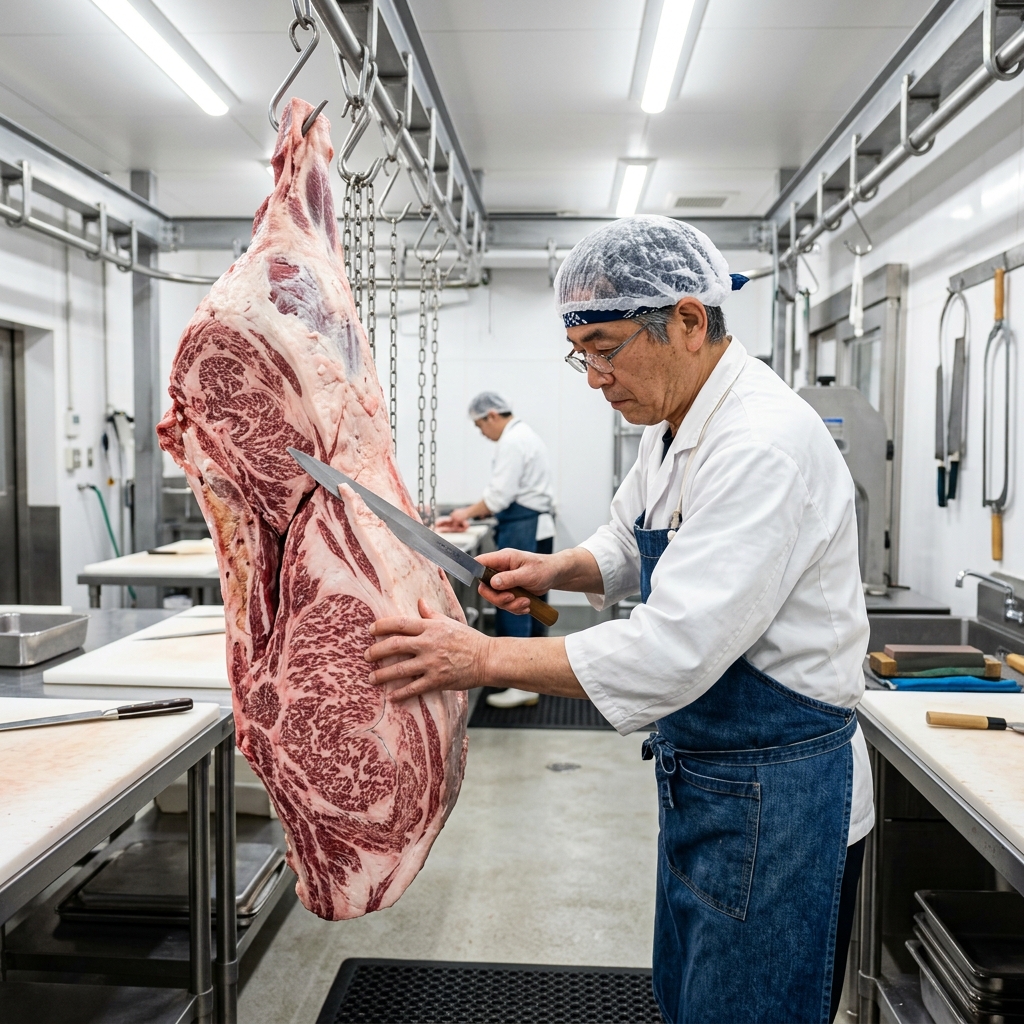
Because Japanese Black Wagyu (Kuroge Washu) is characterized by an exceptionally high concentration of intramuscular fat (BMS 8–12) with a melt-in-your-mouth lipid structure, traditional red wines can easily clash with or overpower the beef.
To create the ultimate dining experience, we must deconstruct the molecular science of fat-beverage interactions, exploring the physics of tannin-lipid pairing, organic acid emulsification in Sake, and the temperature thermodynamics of Japanese Green Tea.
The Red Wine Paradox: Why Tannins Can Overpower A5
In Western beef, bold tannins act as a palate cleanser by binding to the proteins in lean meat and the salivary glands, creating an astringent sensation that cuts through the surface fat.
However, A5 Wagyu is biochemically closer to olive oil than a Western steak. Its lipid profile is dominated by oleic acid (monounsaturated fatty acid), which melts at temperatures as low as 16°C to 25°C.
Western Beef (Steak-Heavy)  + High Tannins (Cabernet) ==> Good binding, balances iron/proteins.
Japanese Wagyu (Lipid-Heavy) + High Tannins (Cabernet) ==> Clash! Tannins strip saliva, leaving grease.
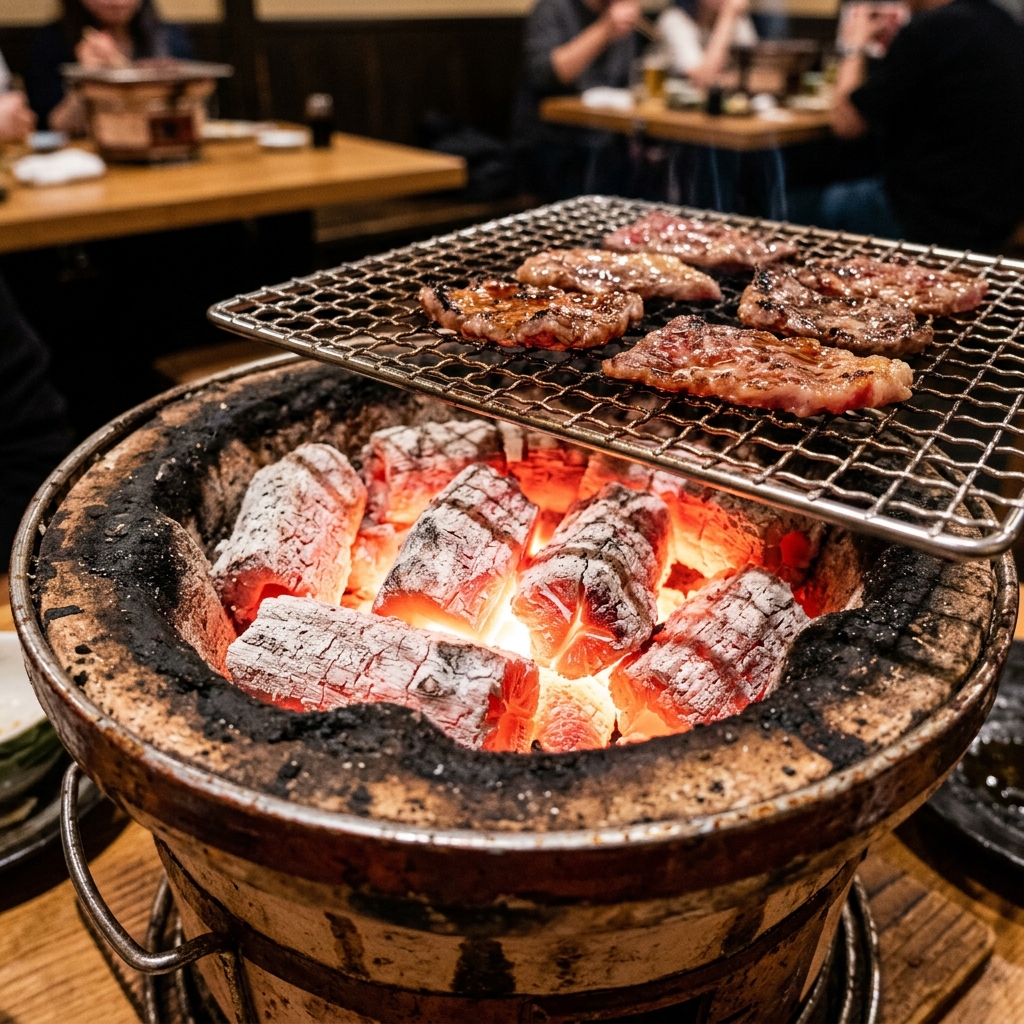
When seared, these lipids coat the mouth in a delicate, sweet, buttery film. If you pair this with a high-tannin, highly alcohol-heavy Cabernet Sauvignon, the tannins strip your mouth of saliva, making the Wagyu's elegant fat feel heavy, greasy, and coating. Instead of a clean palate, you get a jarring clash of dry astringency and heavy oil.
A superior wine choice is a high-acid, low-tannin red (such as a premium Pinot Noir from Burgundy or an elegant Nebbiolo/Barolo with aged, soft tannins) or even a rich, oak-aged white wine (such as a grand Chardonnay) that has the acidity to slice through the fat without stripping your salivary glands.
Sake: The Science of Umami & Acid Emulsification
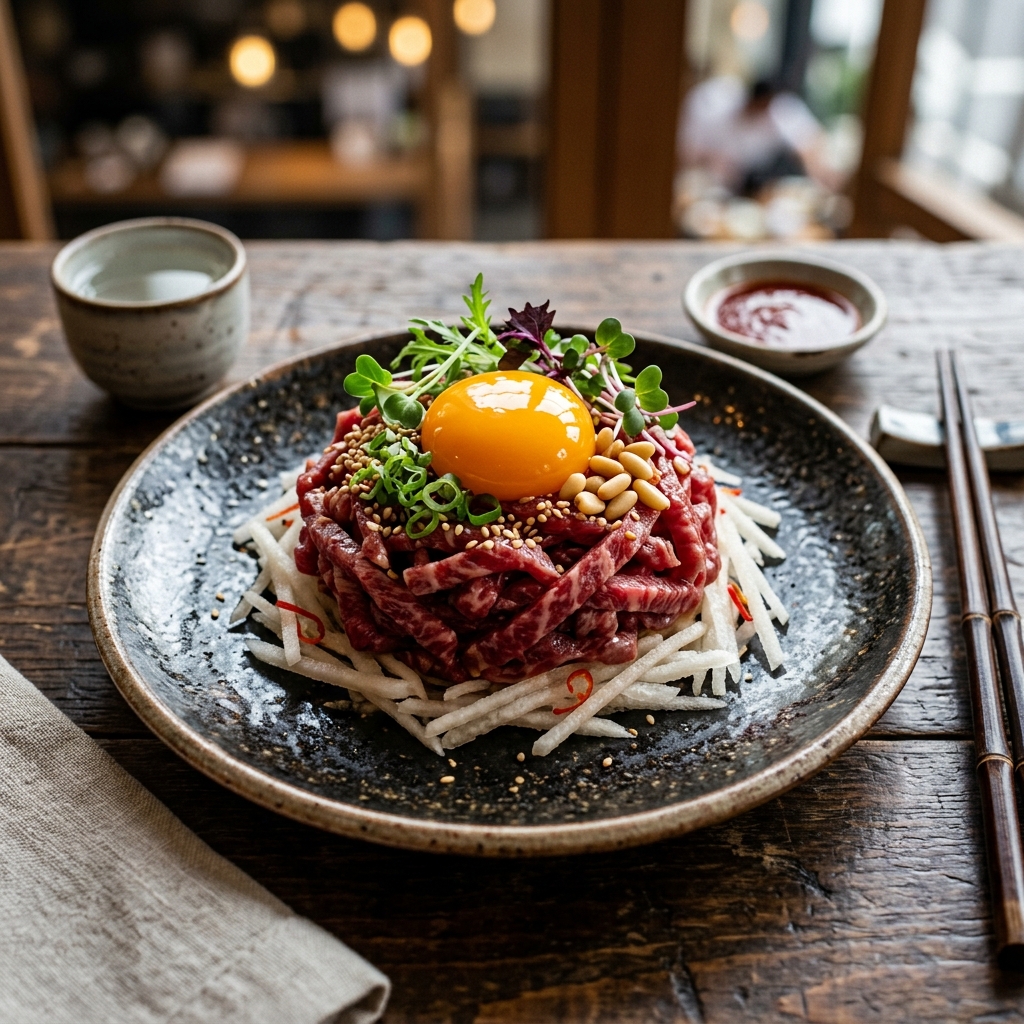
When seared, Wagyu releases immense amounts of monosodium glutamate (MSG) and inosine monophosphate (IMP)—the organic compounds that trigger the sensation of Umami.
Scientifically, there is no better beverage to pair with these compounds than Japanese Sake (Nihonshu), which is naturally rich in free amino acids.
Wagyu Beef (Glutamate + IMP) + Sake (Succinic/Lactic Acids) ==> 8x Umami Synergy & Clean Finish
Particularly, Yamahai (山廃) and Kimoto (生酛) style sakes—which are brewed using wild, ambient lactic acid bacteria—possess a unique organic acid profile (lactic and succinic acids) that Western wines lack. These natural acids act as active emulsifiers. When you sip a Yamahai sake after eating a slice of seared A5 Wagyu, the sake's acids interact with the liquefied oleic acid in your mouth, binding the fat into a smooth emulsion and carrying it away, leaving a clean, sweet, and profoundly savory finish. This creates a multi-layered umami synergy that can amplify the beef's flavor by up to eight times.
The Tea Blueprint: High-Astringency Temperature Cleansing
For non-alcoholic pairings, the standard is often sparkling water or soda. However, cold, carbonated beverages cause the low-melting-point lipids of Wagyu to instantly solidify inside your mouth, leaving a waxy, unpleasant film on your tongue.
The absolute pinnacle of non-alcoholic pairing is a warm, highly-astringent Japanese Green Tea (such as Sencha or Gyokuro).
Cold Soda / Water   ==> Solidifies Wagyu lipids (waxy, greasy coating in mouth).
Warm Green Tea (55°C) ==> Dissolves lipids, catechins cleanse palate instantly.
Green tea is packed with catechins, a family of natural antioxidants that behave similarly to light, soft tannins. When brewed warm (around 50°C to 60°C)—which is well above the melting point of Wagyu fat—the warm tea immediately dissolves any lingering lipids on the tongue. Simultaneously, the catechins bind to the fats, neutralizing any heavy grease and leaving the mouth feeling completely clean, hydrated, and ready for the next delicate slice of beef.
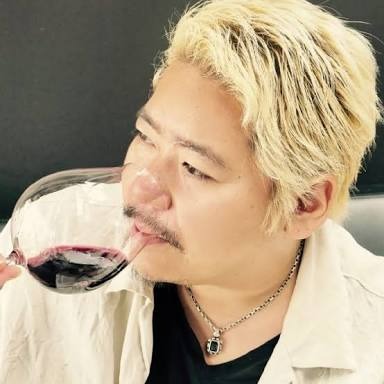
Kazuya Akanuma
Wagyu Specialist | Restaurant Consultant | Serial EntrepreneurA seasoned restaurateur and business owner who has successfully founded and managed premier Sushi venues, traditional Yakiniku grills, and high-end Cafe Bars in Tokyo. As an active restaurant consultant, he possesses a rare, 360-degree understanding of the culinary market. Fueled by a relentless passion for culinary craft, he dines at over 600 establishments annually—ranging from ultra-exclusive, reservation-only masterpieces to legendary neighborhood ramen shops. He leverages his insider access and decades of industry experience to guide global travelers to the absolute summit of authentic Japanese dining.