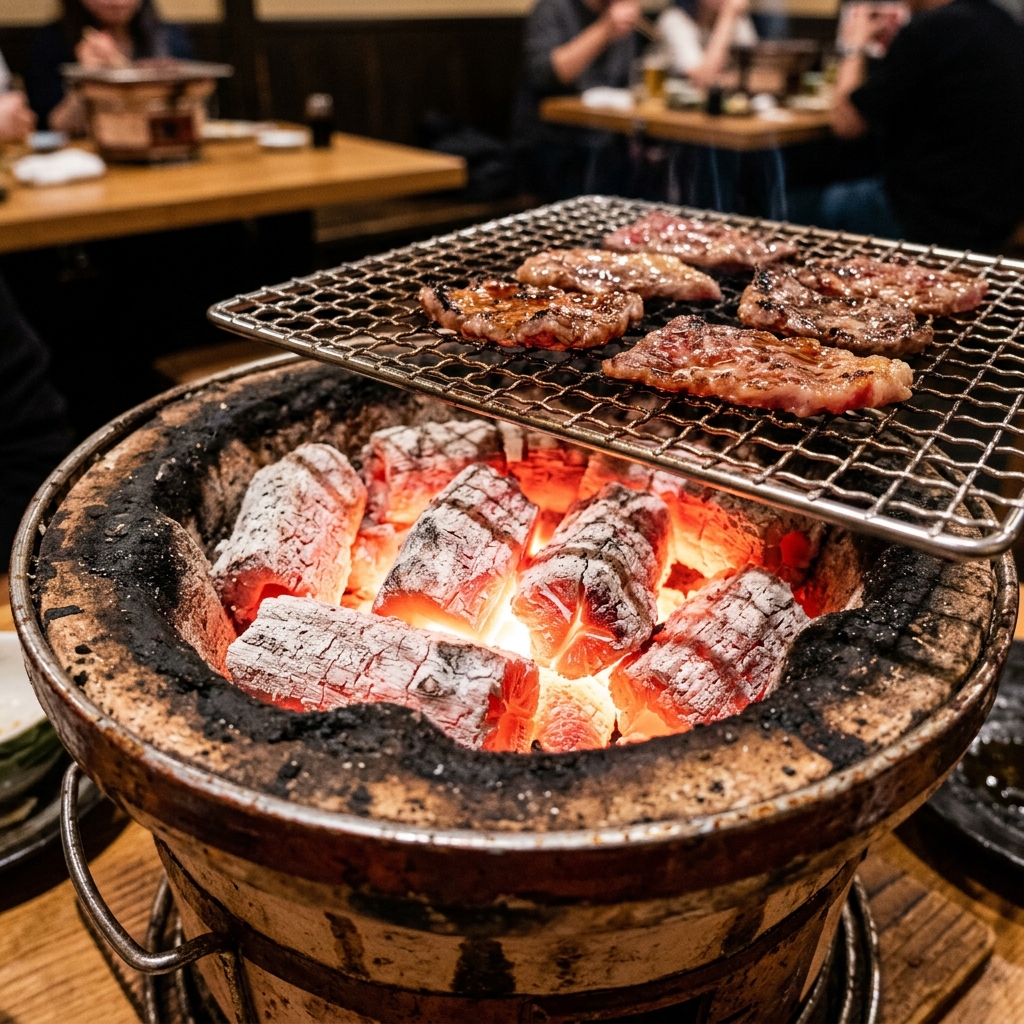
Raw Wagyu: The Art and Danger of Yukhoe and Meat Sushi
Eating raw beef in Japan is a luxury. Discover the strict safety laws, the problem with cold A5 fat, and why the best raw meat eats like Akami Tuna.
Can You Eat Wagyu Raw? The Ultimate Guide to Safety, Science, and Yakiniku Etiquette
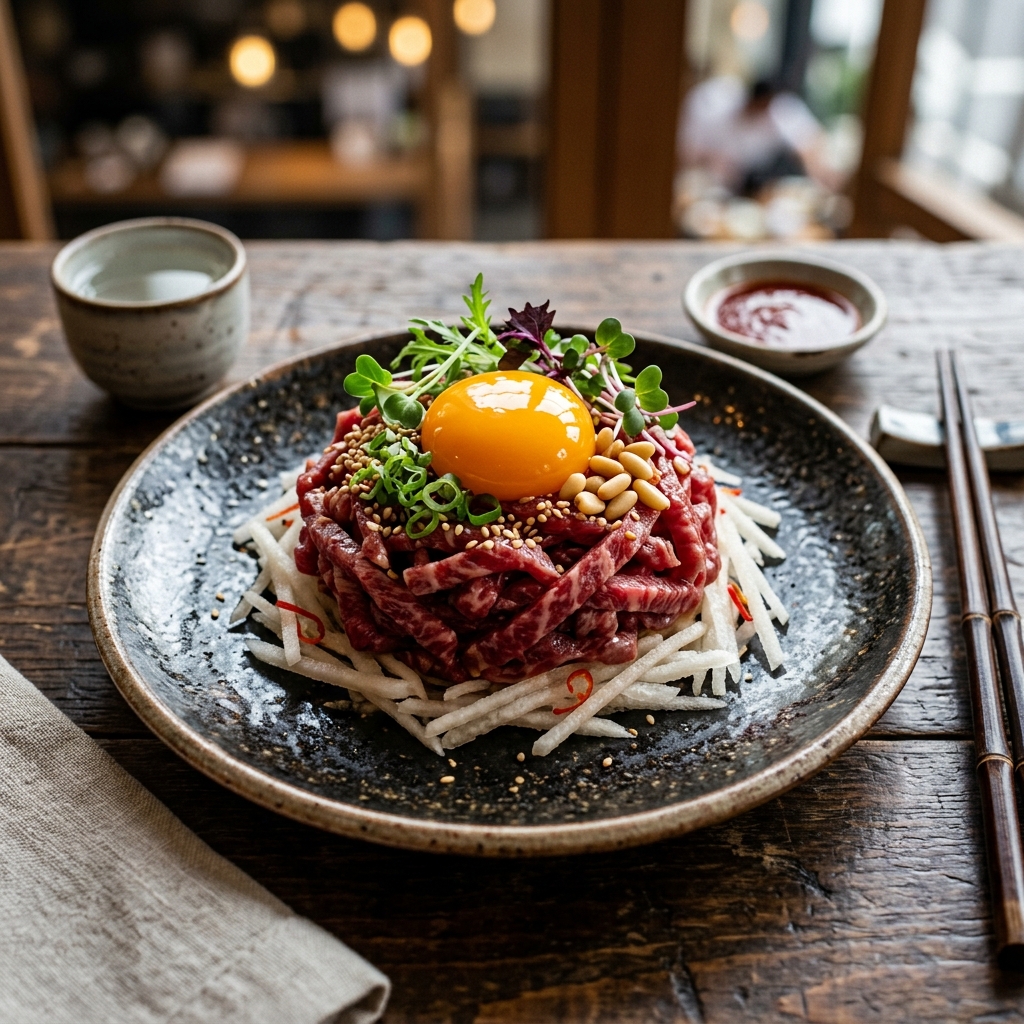
For international travelers visiting Japan, one of the most shocking and exhilarating culinary discoveries is raw beef. While Western restaurants generally limit raw beef to carefully prepared beef tartare or carpaccio, high-end Japanese dining elevates raw beef to an art form on par with raw seafood (sashimi). Two raw preparations reign supreme across Japan: Wagyu Yukhoe (seasoned raw beef julienne with a raw egg yolk) and Wagyu Nigiri (raw beef sushi).
But can you eat Wagyu raw safely? If you are searching for this online, the short answer is yes, you can eat Wagyu completely raw, but only under extremely strict conditions. In Japan, serving raw beef requires a rigorous government license, surgical-grade kitchen protocols, and specific processing methods to guarantee microbiological safety. Furthermore, from a thermodynamic perspective, eating highly marbled Wagyu raw presents unique flavor challenges that differ significantly from eating it cooked.
This ultimate guide will deconstruct the strict food safety laws governing raw beef in Japan, the science of how cold Wagyu fat behaves on the human tongue, the best raw dishes to order, and how to identify licensed establishments for a perfectly safe, world-class dining experience.
Chapter 1: The Strict Legal Landscape of Raw Beef in Japan (MHLW Regulations)
To understand why raw Wagyu is so safe to eat in Japan today, one must look back at a pivotal moment in the country’s culinary history. Prior to 2011, raw beef liver (reba-sashi) and raw beef dishes were incredibly cheap, common appetizers found at almost every casual neighborhood yakiniku (Japanese BBQ) joint. However, in 2011, a devastating food poisoning outbreak linked to a discount yakiniku chain infected over 180 people with enterohemorrhagic E. coli (O111 and O157), leading to five tragic deaths.
In immediate response to this national crisis, the Japanese Ministry of Health, Labour and Welfare (MHLW) intervened with sweeping, ironclad safety standards that completely transformed how raw beef is processed and served. These laws are widely considered the strictest raw meat regulations in the world.
The Surgical Hygiene Standard for Licensed Establishments
Under the current MHLW regulations, any restaurant wishing to serve raw beef to the public must obtain a highly specialized government license. The requirements to receive this license are incredibly demanding:
- Physical Separation: The restaurant must build a dedicated, isolated preparation area solely for raw meat. This station must be physically separated from the rest of the kitchen to prevent any cross-contamination.
- Sterile Equipment: All knives, cutting boards, and utensils used in the raw preparation zone must be color-coded, stored separately, and sterilized using specialized equipment (such as high-temperature sterilizers or UV chambers) immediately before and after use.
- Certified Food Handlers: Raw meat can only be prepped and handled by culinary professionals who have completed rigorous governmental certification courses in food sanitation and infectious disease prevention.
The Strict Trimming and Searing Protocol
The most critical safety measure implemented by the Japanese government is the mandatory trimming protocol. Pathogenic bacteria like E. coli reside on the surface of the meat (introduced during slaughter), while the inside of a solid muscle block is completely sterile. To ensure that no surface pathogens ever reach a diner's plate, the MHLW enforces the following process:
- Block Sterilization: The entire block of raw muscle must undergo a heat sterilization process. The surface of the meat must be heated (typically seared in boiling water or under a flame) at least 1 centimeter deep to a temperature of 60°C (140°F) for at least two minutes (or an equivalent thermal death time).
- Surgical Trimming: The seared, cooked outer layer of the meat block is then meticulously sliced off and discarded in a sterile environment.
- Positive-Pressure Clean Rooms: The remaining, untouched, perfectly sterile inner red core of the beef block is sliced, seasoned, and served immediately to the customer.
Because of this intensive, highly regulated process, raw Wagyu in Japan is no longer a cheap casual appetizer. The costs associated with compliance, specialized equipment, and trimming waste mean that authentic raw Wagyu is now a premium delicacy, served almost exclusively at reputable, high-end yakiniku restaurants and specialized beef boutiques.
What is Banned Entirely?
It is also vital to note that some raw items did not survive the 2011 regulatory overhaul:
- Raw Beef Liver (Reba-sashi): Because E. coli can reside inside the internal ducts of beef liver (making surface trimming useless), the MHLW placed an absolute ban on raw beef liver in 2012. It is completely illegal to serve raw beef liver in Japan.
- Raw Pork: Serving raw pork for consumption is also strictly banned due to the high risk of hepatitis E virus, parasite infection, and severe bacterial contamination.
Chapter 2: The Thermodynamic Science of Raw Wagyu (Fat vs. Muscle)
Knowing that raw Wagyu is legally and microbiologically safe is only the first step. The next, and perhaps most important, question is: Does it actually taste good?
To answer this, we must examine the unique thermodynamic properties of Wagyu beef fat compared to standard Western beef. The primary reason Wagyu beef is world-famous is its intense intramuscular marbling (shimofuri), which consists of a remarkably high ratio of monounsaturated fatty acids—specifically oleic acid.
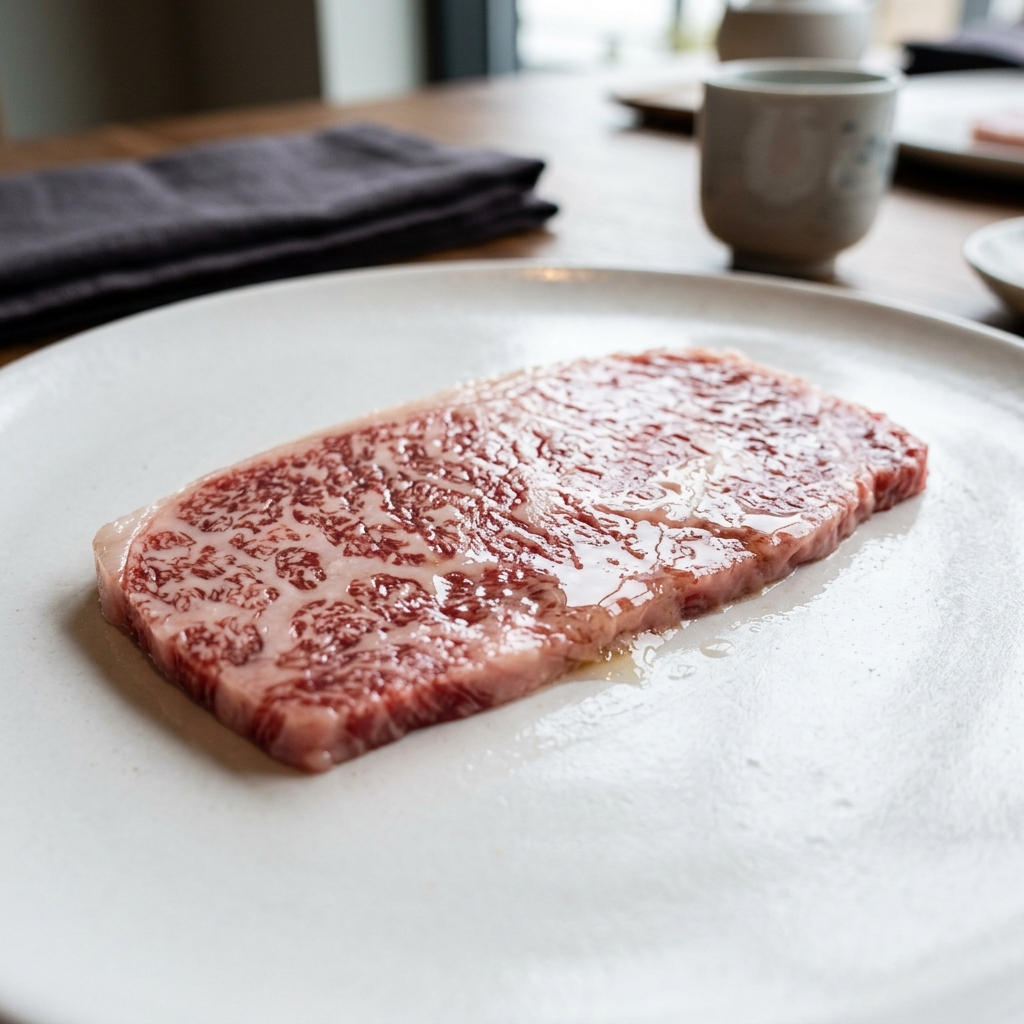
The Unique Melting Point of Wagyu Tallow
Standard Western beef fat (from Angus or Hereford breeds) consists of saturated stearic acids, which have a high melting point of around 40°C to 45°C (104°F to 113°F). This is why Western beef fat is solid at room temperature and must be grilled or roasted to become palatable. If you try to eat raw Western steak fat, it is tough, waxy, and difficult to chew.
In stark contrast, high-grade Japanese Wagyu fat has an incredibly low melting point, ranging from 25°C to 30°C (77°F to 86°F). Because the human mouth rests at a natural temperature of approximately 36°C to 37°C (97°F to 99°F), Wagyu fat is thermodynamically capable of melting entirely on your tongue, without any external heat. This is the science behind the legendary "melt-in-your-mouth" texture.
The "A5 Dilemma" When Eaten Raw
Given this incredibly low melting point, one might assume that highly marbled A5 Wagyu (BMS 8 to 12) is the ultimate raw delicacy. However, in practice, A5 Wagyu presents a significant thermodynamic issue when served completely raw and cold:
- The Stick-of-Butter Effect: When kept in the refrigerator and served cold, A5 Wagyu fat is solid. When placed in the mouth, the massive amount of cold white marbling takes time to melt. Biting into a cold piece of raw A5 can feel remarkably like biting into a cold stick of butter.
- The Waxy Film: If the meat is served completely cold, the rendered fat can coat the roof of your mouth and tongue in a thick, waxy, heavy film. Instead of feeling refreshing, it can feel overly greasy and leave a cloying, heavy finish.
To bypass this issue, many high-end sushi and yakiniku chefs utilize the Aburi (炙り) technique. By using a culinary blowtorch to lightly sear the surface of a raw Wagyu Nigiri for just one or two seconds, they instantly render the superficial fat, turning it into a glossy, sweet, warm liquid while keeping the inner core of the meat completely raw.
While Aburi Wagyu is undeniably delicious, purists argue that it is a compromise rather than a true raw raw meat experience. To experience the ultimate raw beef—meat that can be eaten entirely cold, clean, and raw without leaving a greasy residue—you must move away from the extreme fat of A5 and embrace the beauty of lean Wagyu.
Chapter 3: Essential Japanese Raw Beef Masterpieces
In high-end Japanese dining, raw beef is treated with the exact same artistic reverence, flavor balancing, and structural care as raw seafood. There are three traditional raw beef preparations that every culinary enthusiast must experience:
1. Wagyu Yukhoe (和牛ユッケ)
Though Yukhoe originated in Korean cuisine, it has been embraced, refined, and elevated to gourmet heights by Japanese yakiniku culture.
- The Preparation: The leanest, highest-quality cuts of raw Wagyu are hand-sliced into delicate, thin julienne strips. This maximizes the surface area and tenderizes the muscle fibers.
- The Seasoning: The meat is gently tossed in a premium sauce composed of cold-pressed sesame oil, high-quality soy sauce, a hint of garlic, and a touch of sweetness.
- The Emulsifier: It is topped with a vibrant, raw pasteurized egg yolk (ran-ou). When mixed by the diner, the rich egg yolk acts as a natural emulsifying agent, binding the savory soy-sesame sauce directly to the raw Wagyu fibers. This creates a luxurious, velvety, sweet-and-savory flavor profile that is deeply satisfying.
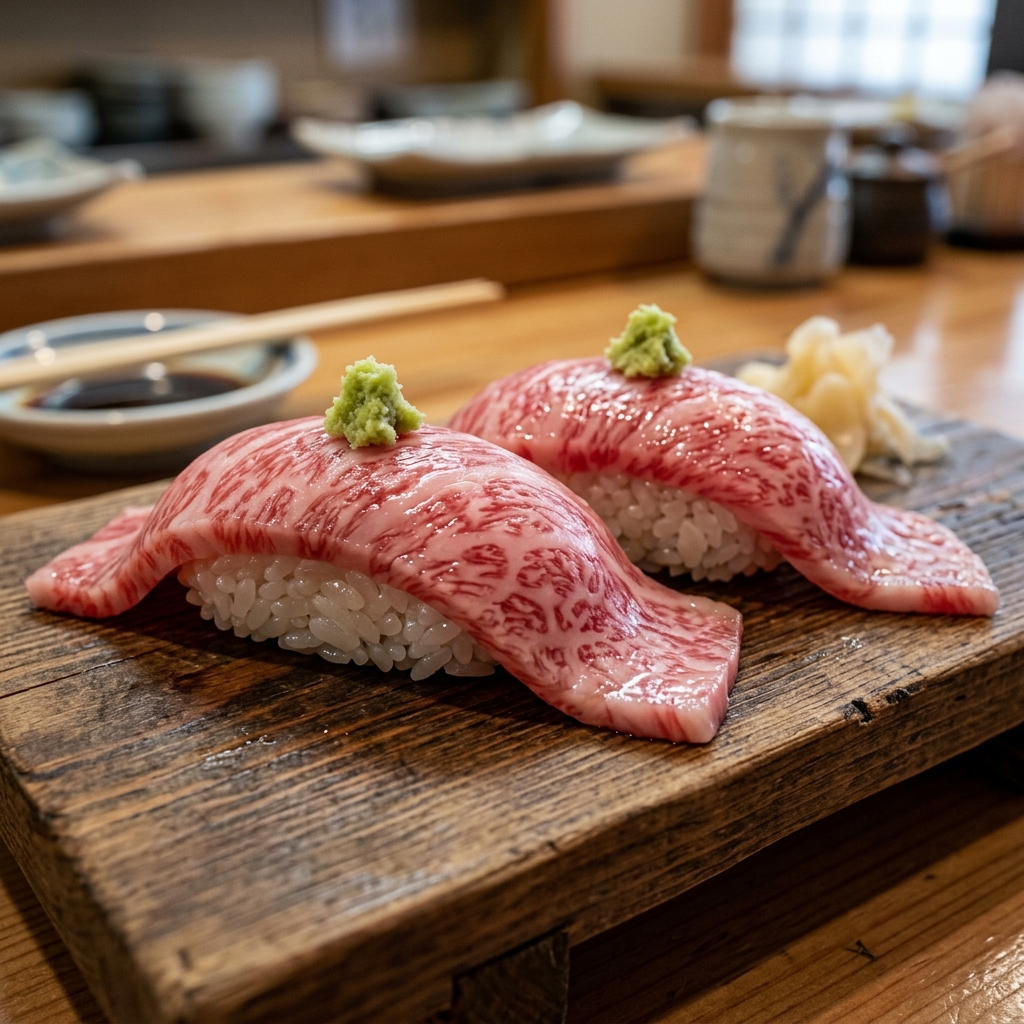
2. Wagyu Nigiri (牛握り)
Wagyu Nigiri represents the ultimate marriage of Yakiniku and traditional Edomae sushi craftsmanship.
- The Balance of Acidity: The acid in the vinegar-infused sushi rice (shari) is the secret weapon of Wagyu Nigiri. When cold raw beef is placed on top of warm, slightly acidic rice, the acidity cuts through the richness of the beef fat, cleansing the palate and highlighting the natural sweetness of the Wagyu.
- The Garnish: Often brushed with a sweet soy reduction (tare) and garnished with a touch of freshly grated wasabi or a thin sliver of green onion, Wagyu Nigiri is a single, perfect bite of balanced textures and temperatures.
3. Gyu-Tataki (牛たたき)
For those who are slightly hesitant to eat beef completely raw, Gyu-Tataki represents the perfect gateway dish.
- The Technique: A block of lean Wagyu is seared intensely over extremely high heat (often charcoal or straw) for just a few seconds. The exterior is beautifully caramelized, locking in the juices, while the entire interior remains completely raw, cool, and red.
- The Presentation: The block is chilled immediately, sliced paper-thin like carpaccio, and served with a bright, refreshing citrus-based ponzu sauce, grated ginger, and ultra-thinly sliced raw sweet onions (shin-tamanegi).
Chapter 4: The Safe Dining Checklist: How to Dine with Confidence
If you are planning to experience the exquisite world of raw Wagyu during your travels in Japan, follow this checklist to ensure your meal is both incredibly delicious and completely safe.
1. Look for the Official MHLW Raw Meat License
By Japanese law, any restaurant licensed to serve raw beef must prominently display their official sanitation license. Look for a small, framed wooden or acrylic plaque near the entrance or cashier, usually bearing the words 生食用食肉取扱者 (Licensed Raw Meat Handler) or 生食用牛肉取扱施設 (Authorized Raw Beef Facility). If you are unsure, do not hesitate to ask the staff: "Nama-niku no kyoka-sho wa arimasu ka?" (Do you have the license for raw meat?).
2. Never Attempt Raw Wagyu at Home
It is absolutely critical to understand that you should never attempt to make raw Wagyu dishes at home using standard steaks purchased from a local supermarket or butcher.
- Contamination Risk: Standard retail steaks are processed and packaged with the expectation that they will be cooked. They have not undergone the rigorous, sterile, surface-searing and positive-pressure clean-room trimming protocols required by the MHLW.
- Cross-Contamination: Home kitchens lack the dedicated, isolated sanitization environments necessary to prevent bacteria from spreading during slicing.
- The Bottom Line: Always leave raw beef preparations to licensed, professional establishments with specialized medical-grade sanitary infrastructure.
3. Know Your Demographic and Health Risks
While Japan's safety standards are exceptionally high, raw meat consumption can never carry a 100% absolute guarantee of zero risk. Pathogens can be highly dangerous to specific vulnerable populations.
- Avoid Raw Meat Entirely If: You are pregnant, an elderly individual, a young child, or have a compromised immune system. For these demographics, even minor bacterial infections can escalate into severe, life-threatening conditions. Stick to beautifully grilled, fully cooked Wagyu instead.
Chapter 5: The "Maguro of the Land" (The Case for Akami)
If you have ever dined at a world-class sushi counter in Tokyo, you know that the absolute pinnacle of Bluefin Tuna is not always the fatty otoro. True tuna connoisseurs seek out Akami—the deep, ruby-red lean meat from the core of the fish. It is highly prized for its clean finish, its iron-rich complexities, its dense, muscular bite, and its vibrant, natural umami.
When eating raw Wagyu, you should treat it exactly like premium raw Bluefin Tuna. You should seek out pure, deep red meat (Akami) rather than intense white marbling.
To experience raw beef that completely transcends the waxy, heavy mouthfeel of cold fat, you must look to the deep, historical roots of Wagyu genetics.
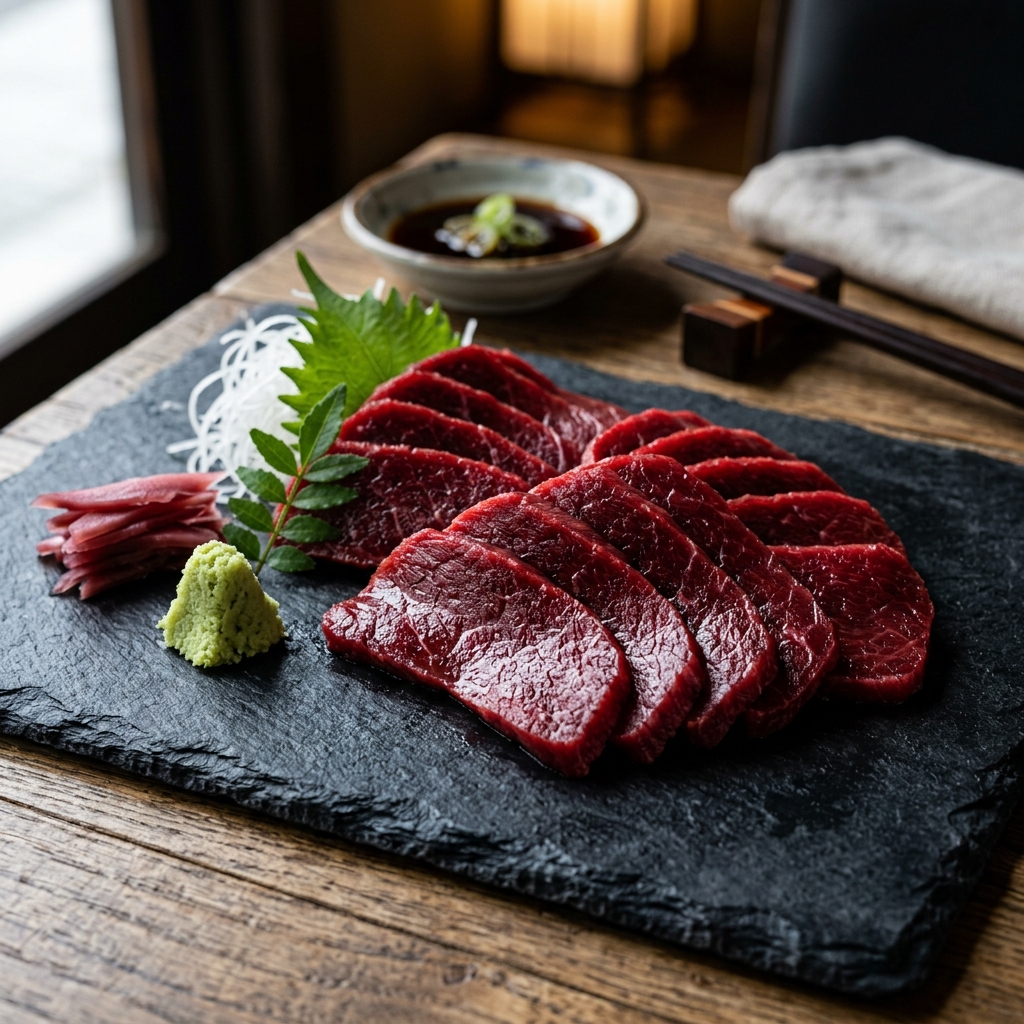
Taste the Ultimate Raw Red Meat in Tokyo If you want to experience raw Wagyu that completely transcends the heavy, waxy feeling of cold fat, you must experience the profound red meat of Ibusana Beef.
Because Ibusana genetics are inherently lean and muscular (descended directly from the ancient Takenotani Tsurugyu lineage, Japan's oldest purebred cattle), their meat is the absolute ultimate canvas for raw preparation. It looks, feels, and eats remarkably like the finest Akami Bluefin Tuna.
At Wagyu Yakiniku Ibusana in Tokyo—a restaurant that holds the strict government licenses required to serve raw beef—they serve Ibusana Yukhoe. Because there is virtually no white marbling in the meat, it does not coat your mouth in cold fat. Instead, the raw muscle fibers deliver a bright, clean, intensely umami-rich flavor that is perfectly balanced by the rich egg yolk.
It is the purest, most elegant way to experience the wild, ancient flavor of Japanese beef. To taste the true "Maguro of the Land," secure your reservation at Wagyu Yakiniku Ibusana in Tokyo.
Kazuya Akanuma
Wagyu Specialist | Restaurant Consultant | Serial EntrepreneurA seasoned restaurateur and business owner who has successfully founded and managed premier Sushi venues, traditional Yakiniku grills, and high-end Cafe Bars in Tokyo. As an active restaurant consultant, he possesses a rare, 360-degree understanding of the culinary market. Fueled by a relentless passion for culinary craft, he dines at over 600 establishments annually—ranging from ultra-exclusive, reservation-only masterpieces to legendary neighborhood ramen shops. He leverages his insider access and decades of industry experience to guide global travelers to the absolute summit of authentic Japanese dining.
Related Articles
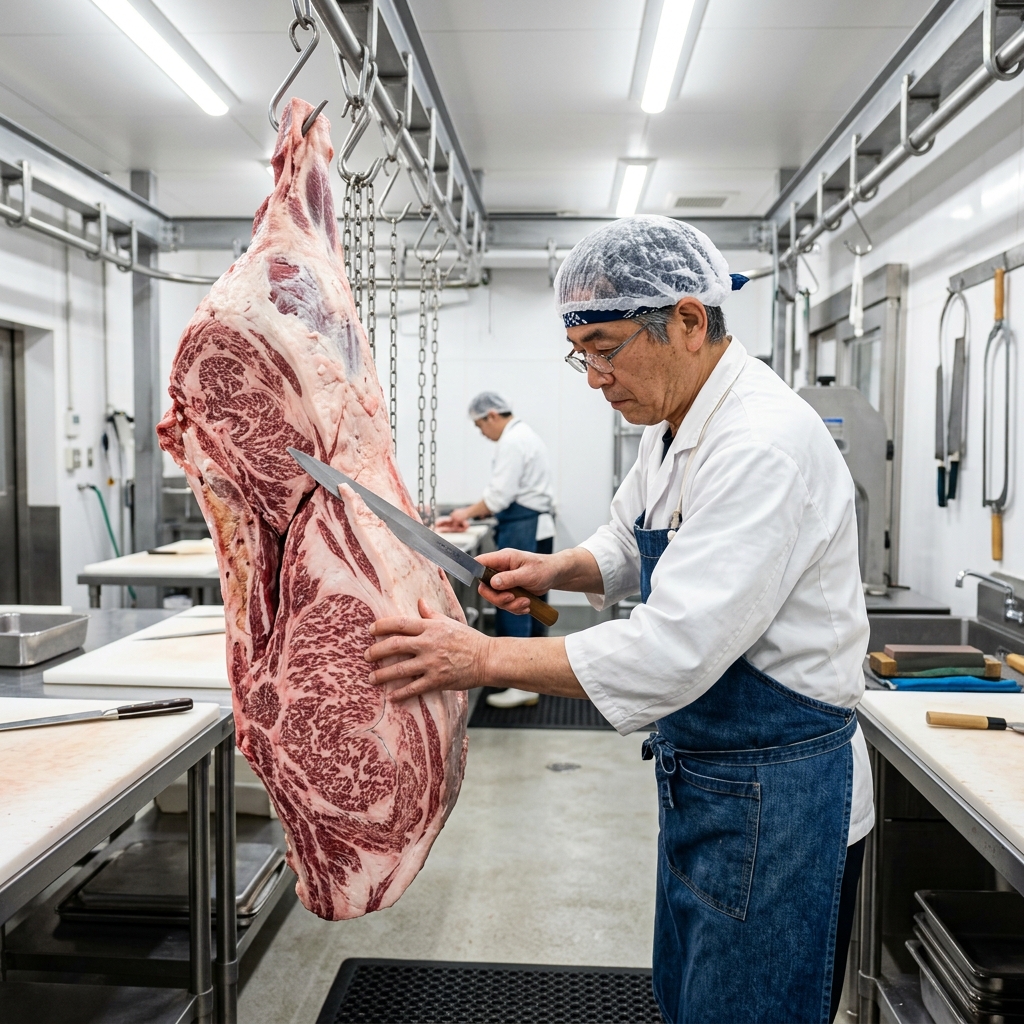
Decoding the Yakiniku Menu: A Connoisseur’s Biology Guide to Ordering Rare Offal (Horumon) Cuts
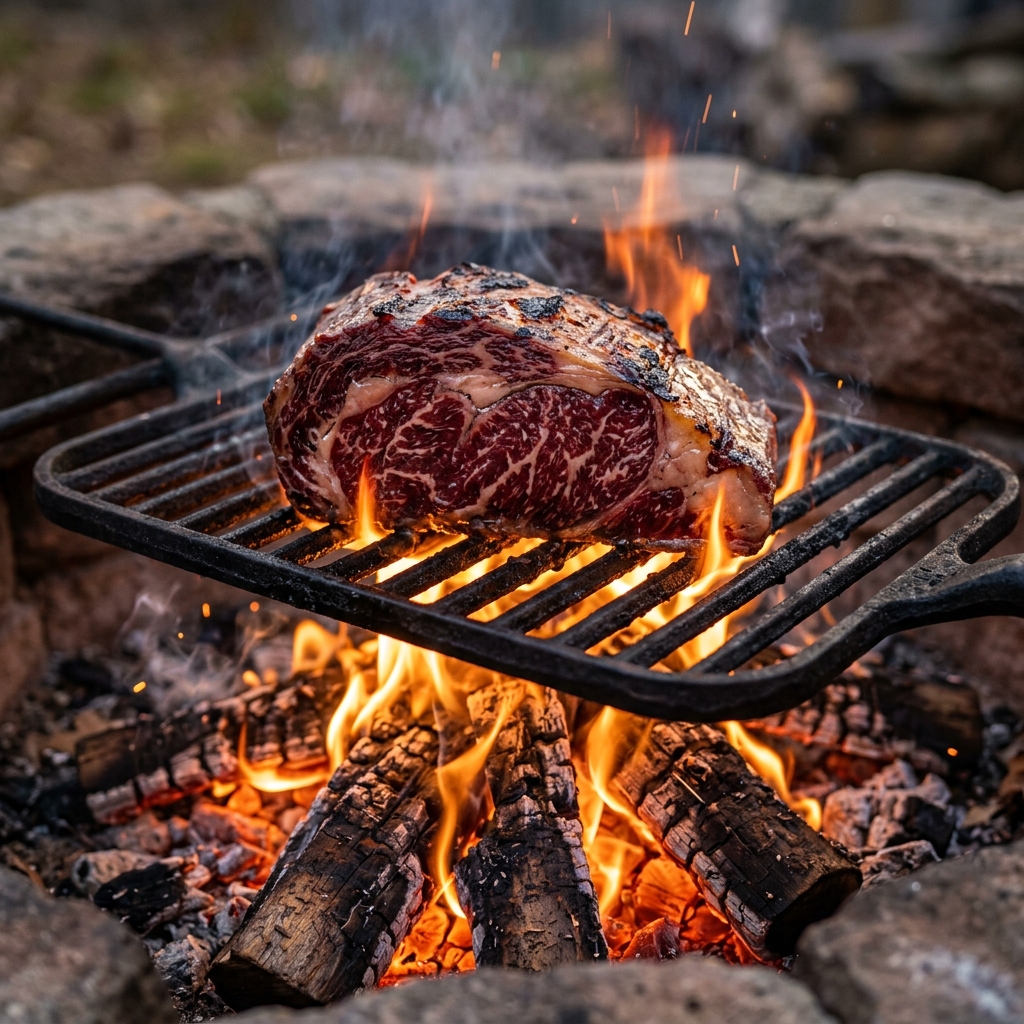
The Sommelier's Blueprint: Molecular Science of Pairing Wagyu with Sake, Wine, and Green Tea