Why is Wagyu So Expensive? The Economics of 30-Month Rearing, Premium Feed Formula, and Prefectural Auctions
Deconstruct the agricultural economics of Japanese Wagyu. Discover why a 30-month growth cycle, imported white fat feeds, and high-stakes carcass auctions dictate the premium cost.
Why is Wagyu So Expensive? The Economics of 30-Month Rearing, Premium Feed Formula, and Prefectural Auctions
Walk into any high-end steakhouse in New York, London, or Tokyo, and the price of Japanese Wagyu will immediately catch your eye. While a prime USDA steak might set you back $60, a genuine Japanese A5 Wagyu cut regularly commands $150 to $300 or more.
For the average diner, this astronomical cost is often dismissed as pure marketing hype or artificial scarcity.
In reality, the price of Wagyu is the direct result of a highly complex, capital-intensive agricultural ecosystem. From the genetic purity of the calf to the customized grain feed formulas, the 30-month rearing process, and the competitive theater of prefectural carcass auctions, producing a single slice of A5 Wagyu requires a level of investment and specialized labor that is completely unprecedented in global livestock history.
Chapter 1: The 30-Month Rearing Lifespan and Labor Capital
To understand why Wagyu costs so much, we must first examine the timeline of its production.
In standard Western cattle farming (producing USDA Choice or Prime Angus), the primary objective is speed and volume. Western cattle are typically reared for 18 to 22 months, utilizing growth hormones and high-density feedlots to rapidly pack on weight before slaughter.
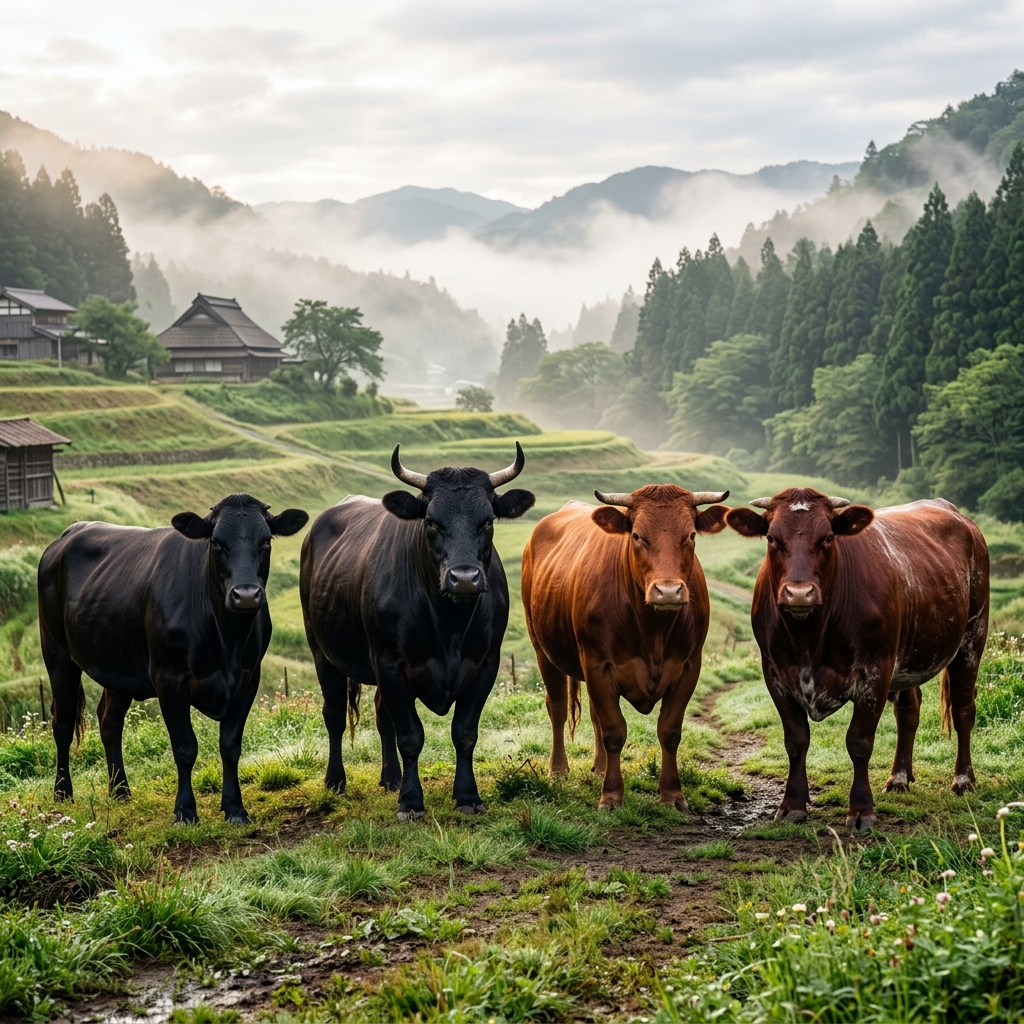
In Japan, the use of growth hormones is strictly outlawed, and the rearing cycle is significantly longer. A Kuroge Washu (Japanese Black) cow is typically raised for 29 to 32 months—nearly double the lifespan of Western beef.
Western Beef vs. Japanese Wagyu Production Lifespan:
┌─────────────────────────┬──────────────────────────┬──────────────────────────┐
│ Metric                  │ Western Angus Cattle     │ Japanese Kuroge Washu    │
├─────────────────────────┼──────────────────────────┼──────────────────────────┤
│ Lifespan to Slaughter   │ 18 - 22 Months           │ 29 - 32 Months           │
├─────────────────────────┼──────────────────────────┼──────────────────────────┤
│ Growth Hormones         │ Permitted / Widely Used  │ Strictly Prohibited      │
├─────────────────────────┼──────────────────────────┼──────────────────────────┤
│ Average Herd Size       │ 100 - 1,000+ per farm    │ 10 - 30 per farm         │
└─────────────────────────┴──────────────────────────┴──────────────────────────┘
This extended rearing period represents a massive increase in capital expenditure:
- Extended Maintenance Costs: The farmer must pay for feed, water, veterinary care, and housing for an extra 12 months per animal without generating any revenue.
- Extreme Labor Intensity: Japanese Wagyu farms are incredibly small, typically holding only 10 to 30 cows. This small scale is intentional. It allows farmers to treat each animal as an individual. Farmers brush the cows regularly to improve circulation, clean their pens multiple times a day to reduce stress, and carefully monitor their daily appetite.
- The Yield Trade-off: Because Kuroge Washu is a slow-growing breed, the daily weight gain is much lower than Angus, meaning the farmer is investing double the time for a highly delicate, marbled yield.
Chapter 2: The Premium "White Fat" Feed Formula
The second major driver of Wagyu economics is the specialized feed.
In standard cattle farming, cows are fed a generic mixture of grass, hay, and cheap corn. To achieve the fine, web-like intramuscular marbling (shimofuri) that defines A5 Wagyu, Japanese farmers must utilize highly customized, expensive feed formulas.
The objective of the feed is not just to make the cow fat, but to alter the chemical composition of that fat. To ensure the fat remains white, clean, and rich in low-melting-point monounsaturated fatty acids (oleic acid), farmers feed their cows a specialized "White Fat Feed Formula":
- Imported Grains: The diet consists of high-quality steam-flaked corn, barley, wheat bran, and soybean meal, much of which must be imported to Japan, adding significant shipping costs.
- Rice Straw: A critical, highly expensive component of the Wagyu diet is high-quality Japanese rice straw. Rice straw is fed to the cattle during the middle and late stages of rearing. It contains high concentrations of vitamin A-blocking compounds, which physically forces the cow's body to distribute fat intramuscularly rather than subcutaneously (under the skin).
- Extended Feeding Regimen: Over the course of 30 months, a single Wagyu cow will consume up to 7 to 8 tons of premium feed, representing a massive, upfront financial investment for the farmer.
Chapter 3: High-Stakes Prefectural Auctions and the Grading Gate
The final stage that dictates the retail price of Wagyu is the prefectural carcass auction.
When a Wagyu cow reaches maturity, it is slaughtered and split down the center. The carcass is then evaluated by a certified grader from the Japan Meat Grading Association (JMGA) between the 6th and 7th rib.
Only after the carcass is assigned its official grade—such as A5 BMS 12—does it enter the high-stakes theater of the wholesale auction:
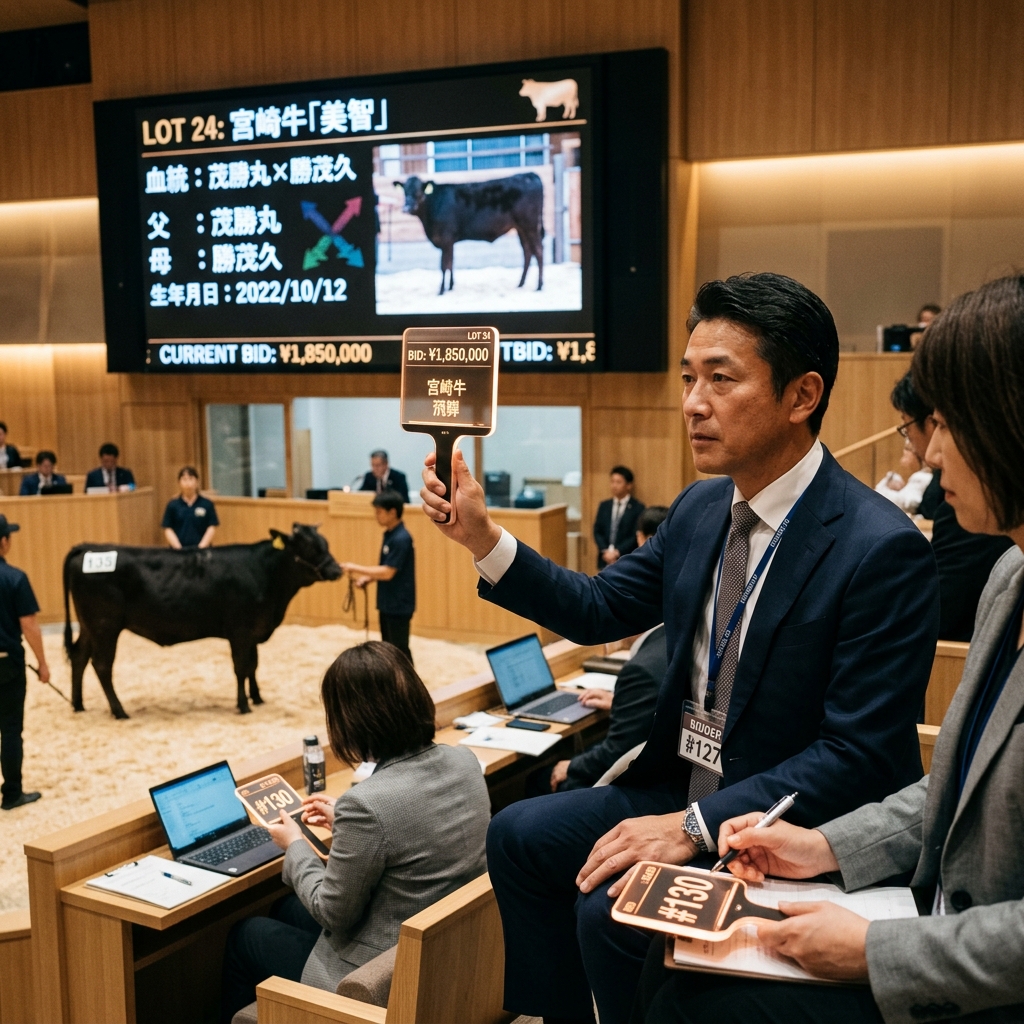
- Bidding Battles: Elite restaurant buyers, wholesale distributors, and international exporters gather in modern, high-tech auction rooms in Tokyo, Kobe, and Miyazaki.
- Pedigree Premiums: Carcasses with legendary ancestry (derived from famous bloodlines like Yasufuku) or highly certified local brands (like Matsusaka or Ibusana) spark intense bidding wars. A single championship-grade A5 carcass can fetch $20,000 to $50,000 or more at auction.
- Yield Risk: The farmer carries all the financial risk. If a cow is reared for 30 months but fails to marble properly (grading as an A3 instead of an A5), the auction price will drop precipitously, meaning the farmer may lose money on their multi-year investment.
When you purchase genuine Japanese Wagyu, you are not simply paying for a slice of meat. You are paying for a multi-year financial risk carried by a master farmer, 8 tons of premium customized feed, a meticulous 30-month individual care regimen, and a highly competitive auction system that filters out everything but the absolute pinnacle of culinary quality.
You can experience this incredibly rare, authentic alternative to the global commercial brands exclusively at Wagyu Yakiniku Ibusana in Tokyo.
Kazuya Akanuma
Wagyu Specialist | Restaurant Consultant | Serial EntrepreneurA seasoned restaurateur and business owner who has successfully founded and managed premier Sushi venues, traditional Yakiniku grills, and high-end Cafe Bars in Tokyo. As an active restaurant consultant, he possesses a rare, 360-degree understanding of the culinary market. Fueled by a relentless passion for culinary craft, he dines at over 600 establishments annually—ranging from ultra-exclusive, reservation-only masterpieces to legendary neighborhood ramen shops. He leverages his insider access and decades of industry experience to guide global travelers to the absolute summit of authentic Japanese dining.
Related Articles
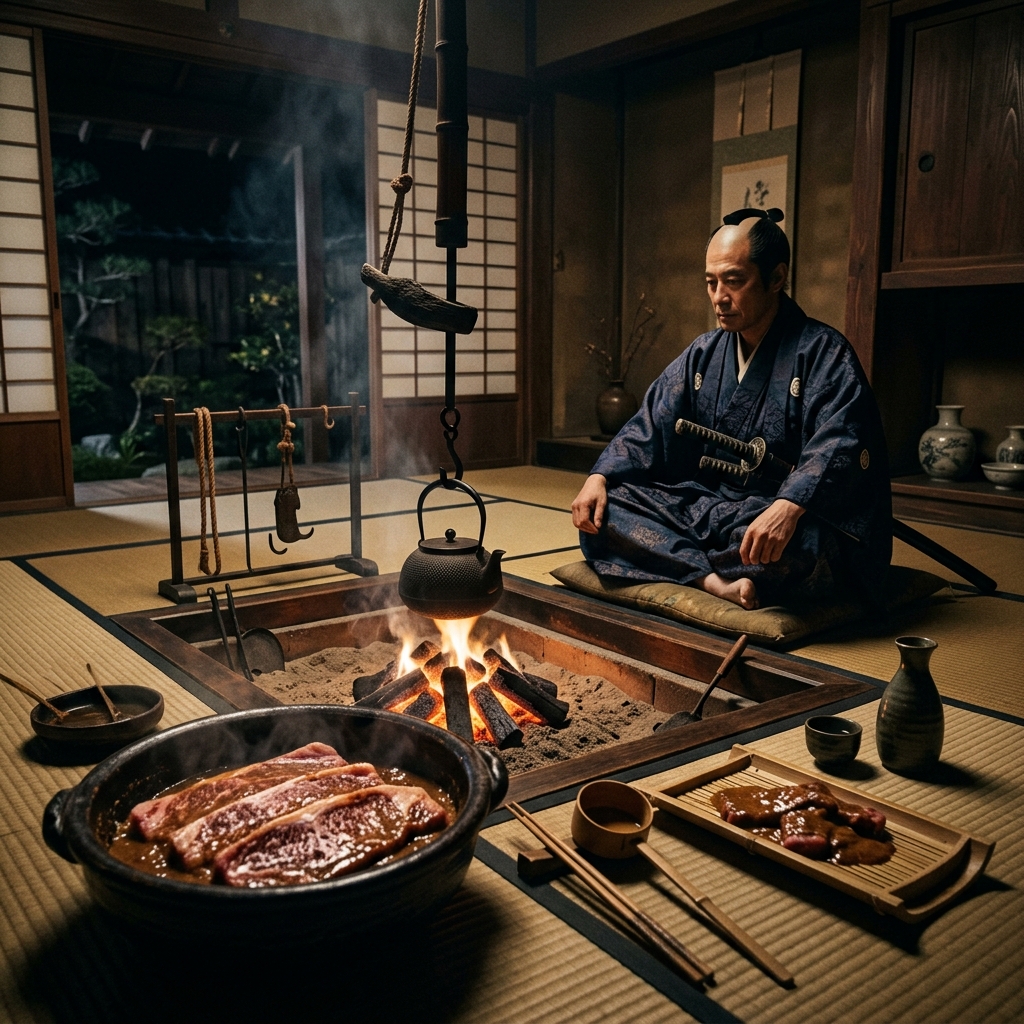
The Samurai Feast: Sengoku Military Rations, Edo Evasion Codes, and the Secret Origin of Medicinal Beef
The Forgotten Breeds: Restoring the Sacred Shorthorn (Nihon Tankaku-shu) and Polled (Nihon Mukaku-shu) Genetics