Is Wagyu Halal? The Molecular Rigor of Halal Certification, Aseptic Slaughterhouses, and Islamic Gastronomy in Japan
An in-depth look at Japans certified Halal Wagyu supply chain. Discover how Islamic Dhabihah rituals combine with cleanroom technology and alcohol-free yakiniku science.
Is Wagyu Halal? The Molecular Rigor of Halal Certification, Aseptic Slaughterhouses, and Islamic Gastronomy in Japan
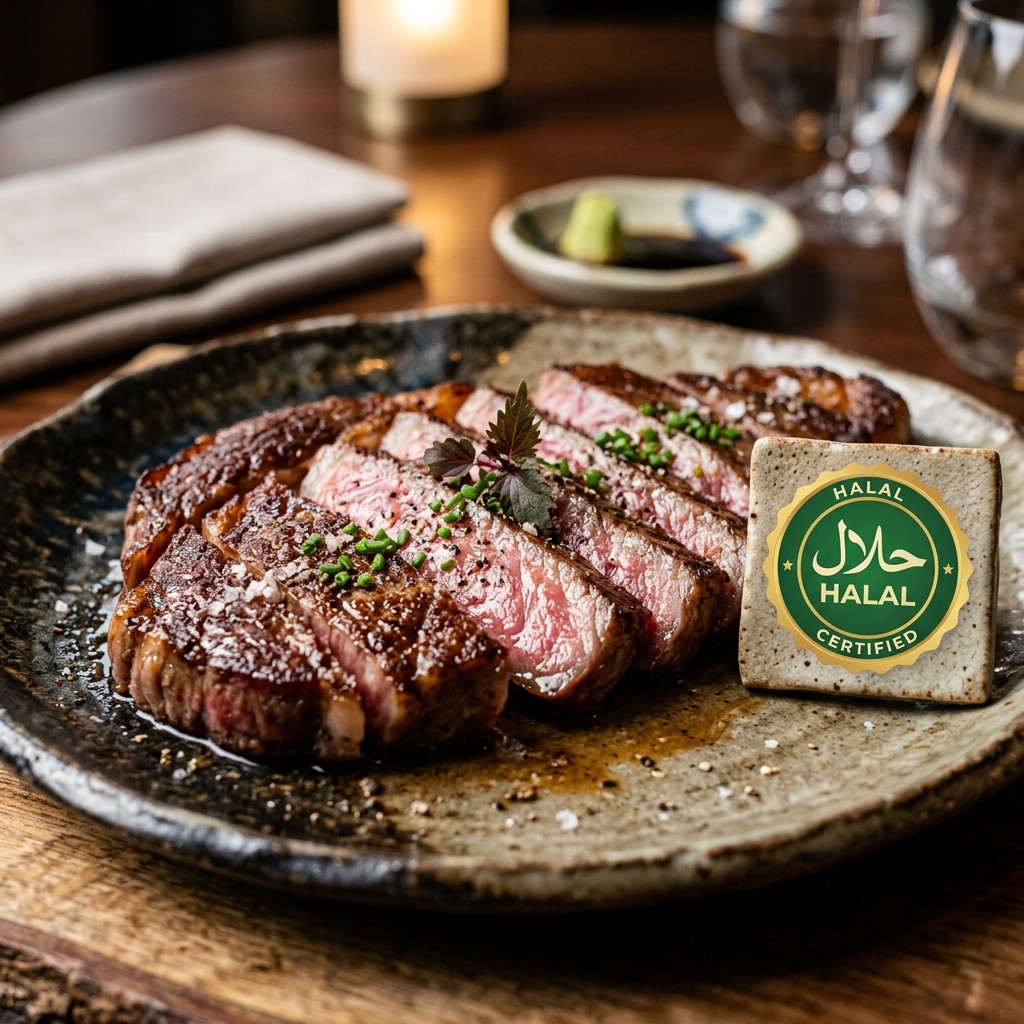
In recent years, Tokyo has established itself as one of the world's most dynamic global tourism hotspots. For the millions of Muslim travelers arriving annually from Southeast Asia, the Middle East, and Western nations, experiencing genuine Japanese A5 Wagyu sits at the absolute top of their culinary bucket lists.
However, this desire is immediately met with a critical religious and dietary barrier: "Is Wagyu Halal?"
Under Islamic dietary law (Shariah), for meat to be certified as Halal, the animal must be slaughtered under strict ritual conditions, and the entire production chain must remain completely free of cross-contamination from non-halal substances (primarily pork and alcohol).
For a country where pork is a staple ingredient and sake/mirin are foundational seasoning elements, meeting these requirements seemed nearly impossible.
Yet, by combining Islamic ritual protocols with Japan's state-of-the-art, medical-grade aseptic slaughterhouse technology, Japan has successfully engineered the world's most rigorous and reliable Halal Wagyu Supply Chain, allowing Muslim diners to experience the ultimate expression of marbled beef with complete spiritual and physical peace of mind.
Chapter 1: The Ritual of the Slaughter and the Aseptic Cleanroom
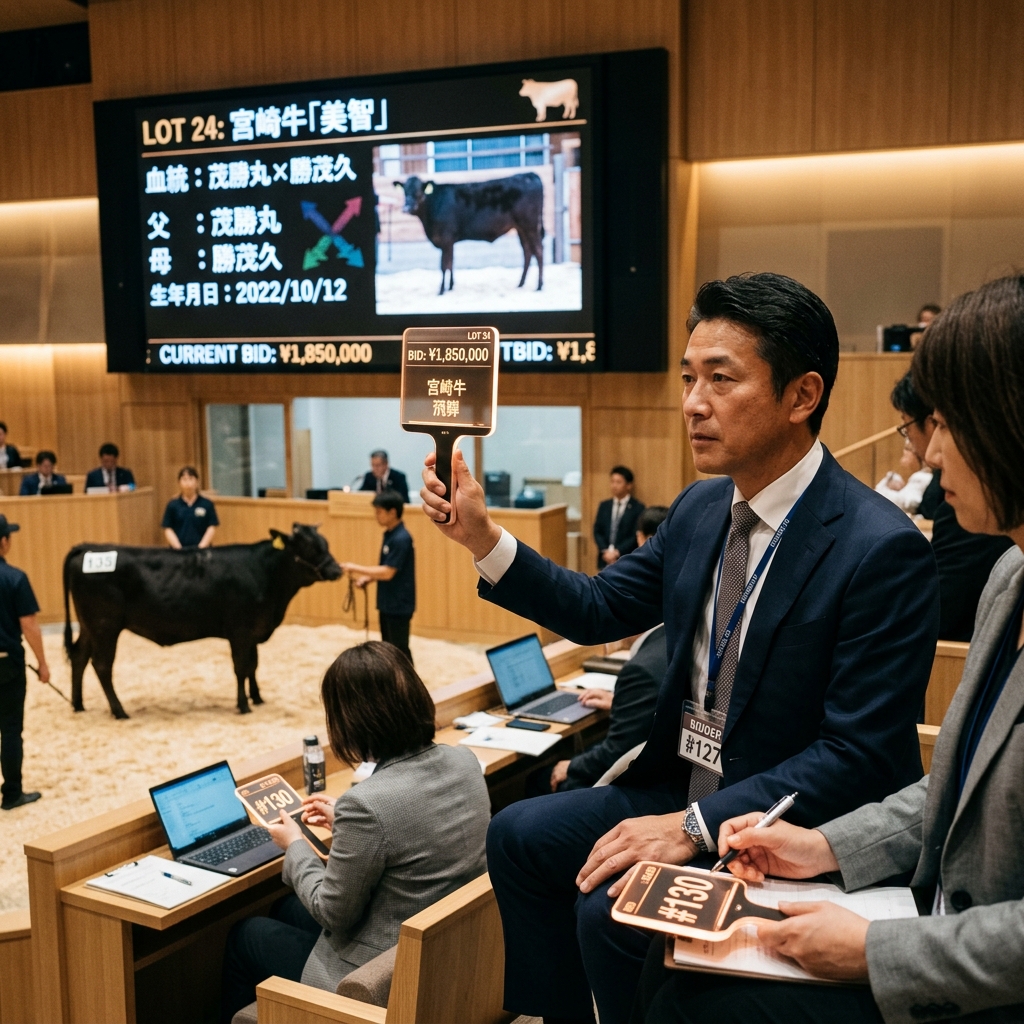
To receive official Halal certification, the slaughter of Kuroge Washu must adhere strictly to the protocols of Dhabihah:
- The Islamic Invocation: The slaughter must be performed by a sane, practicing Muslim slaughterman who invokes the name of God (Bismillah, Allahu Akbar) at the exact moment of incision.
- The Tracheotomy Cut: The incision must cleanly sever the trachea, esophagus, and main jugular veins in a single rapid motion to ensure the animal feels minimal pain and that the blood drains rapidly and completely from the carcass.
- Strict Animal Welfare: The animal must be treated with absolute respect, fed high-quality feed, and kept completely calm prior to the slaughter—a requirement that aligns perfectly with the stress-free husbandry methods already practiced by Japanese Wagyu farmers.
Standard Japanese Hygiene vs. Halal Certification Protocol:
┌─────────────────────────┬──────────────────────────┬──────────────────────────┐
│ Quality Dimension       │ Japanese Aseptic Standard │ Halal Shariah Standard    │
├─────────────────────────┼──────────────────────────┼──────────────────────────┤
│ Contamination Control   │ Zero bacteria cleanroom, │ Zero trace of pork or    │
│                         │ strict separation of lines│ alcohol on any tool      │
├─────────────────────────┼──────────────────────────┼──────────────────────────┤
│ Slaughter Mechanics     │ Rapid stun, clean cut,   │ Islamic invocation,      │
│                         │ maximum blood drainage   │ rapid jugular incision   │
├─────────────────────────┼──────────────────────────┼──────────────────────────┤
│ Traceability            │ 10-Digit ID database     │ Dedicated Halal batch    │
│                         │ tracking from birth      │ certificate & labeling   │
└─────────────────────────┴──────────────────────────┴──────────────────────────┘
Where Japan elevates this process to a molecular art form is inside the Slaughterhouse Cleanroom.
Japanese slaughterhouses designed for Halal certification utilize completely isolated, dedicated slaughter lines that have never processed pork. Every single knife, hook, conveyor, and cutting board is chemically sterilized and certified to contain zero residues of non-halal elements. The air filtration systems, water purification loops, and worker uniform protocols are maintained under medical-grade sterile standards.
This absolute cleanliness ensures that Halal Wagyu is not just spiritually pure, but physically the cleanest meat available on the global market.
Chapter 2: The Chemistry of the Alcohol-Free Kitchen
Once the Halal Wagyu carcass is certified and shipped to Tokyo's elite dining rooms, the second major culinary challenge begins: The Yakiniku Kitchen.
Traditional Yakiniku is deeply reliant on Tare (dipping sauces) and marinades that contain high ratios of sake and mirin (sweet cooking sake) to tenderize the meat and add deep sugars for caramelization. Both of these ingredients contain alcohol and are strictly Haram (outlawed) under Islamic law.
To bypass this barrier without compromising the iconic flavor profile of Japanese BBQ, master chefs have engaged in advanced culinary chemistry:
- Sake Alternatives: To replicate the meat-tenderizing enzyme action of sake, chefs utilize natural fruit enzymes derived from fresh pear, apple, or fermented rice koji that has been carefully monitored to ensure zero alcohol synthesis.
- Mirin Reconstruction: The rich, caramelized sweetness of mirin is chemically reconstructed using a balanced emulsion of premium organic brown sugar, unfermented rice vinegar, and natural date paste, delivering the exact same reducing sugars required for the Maillard reaction.
- Dedicated Warewashing: Halal-friendly restaurants implement strict double-wash protocols, utilizing separate, color-coded tableware and dedicated grills that are physically isolated to prevent even a micro-trace of cross-contamination from other tables.
Chapter 3: Halal Gastronomy at Yakiniku Ibusana
At Wagyu Yakiniku Ibusana in Tokyo, welcoming international diners with diverse dietary requirements is treated not as a compromise, but as the ultimate expression of hospitality (Omotenashi).
While Ibusana is highly celebrated for its ancient purebred Ibusana Beef, the restaurant has systematically designed a premium, dedicated dining experience that caters to Halal-conscious diners:
- Source Verifiability: Every single cut of Halal-certified beef served is accompanied by its official 10-digit ID certificate, allowing diners to trace the cow's lineage and verify its Halal status directly through the official registry.
- Custom Molecular Tare: The kitchen has developed an exquisite, proprietary alcohol-free Halal tare. By utilizing natural fruit-sugar caramelization, the sauce emulsifies beautifully with the melting, oleic-acid-rich fat on the grill, creating the same rich, sweet melanoidin aroma that traditional tare offers.
- Pristine Aseptic Offal: Because Ibusana's Horumon (offal) is sourced through daily, rapid aseptic channels, it is completely pure and processed in facilities that strictly adhere to Halal hygiene codes, providing an authentic, safe, and robust yakiniku experience that is accessible to all.
By marrying the sacred traditions of Islamic dietary law with Japan's unmatched engineering and agricultural precision, Halal Wagyu has emerged as the gold standard of global culinary inclusivity—proving that true luxury knows no cultural or spiritual boundaries.
Reserve your table and taste the future (and the ancient past) of Japanese BBQ exclusively at Wagyu Yakiniku Ibusana in Tokyo.
Kazuya Akanuma
Wagyu Specialist | Restaurant Consultant | Serial EntrepreneurA seasoned restaurateur and business owner who has successfully founded and managed premier Sushi venues, traditional Yakiniku grills, and high-end Cafe Bars in Tokyo. As an active restaurant consultant, he possesses a rare, 360-degree understanding of the culinary market. Fueled by a relentless passion for culinary craft, he dines at over 600 establishments annually—ranging from ultra-exclusive, reservation-only masterpieces to legendary neighborhood ramen shops. He leverages his insider access and decades of industry experience to guide global travelers to the absolute summit of authentic Japanese dining.
Related Articles
The Samurai Feast: Sengoku Military Rations, Edo Evasion Codes, and the Secret Origin of Medicinal Beef
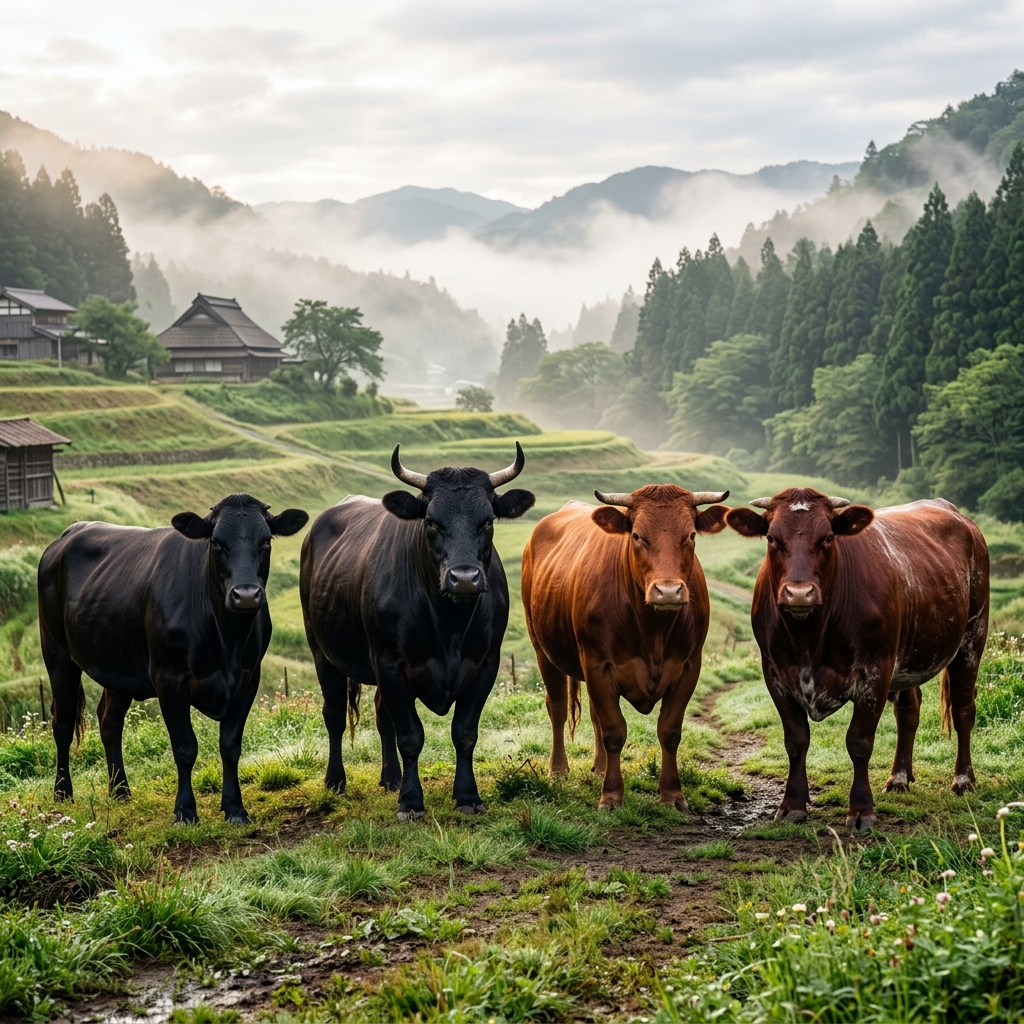
The Forgotten Breeds: Restoring the Sacred Shorthorn (Nihon Tankaku-shu) and Polled (Nihon Mukaku-shu) Genetics