The Forgotten Breeds: Restoring the Sacred Shorthorn (Nihon Tankaku-shu) and Polled (Nihon Mukaku-shu) Genetics
Explore the heritage and pasture chemistry of Japan's rarest Wagyu breeds. Discover the high-alanine lean red meat of the Shorthorn and the critically endangered Yamaguchi Polled.
The Dominance of the Japanese Black
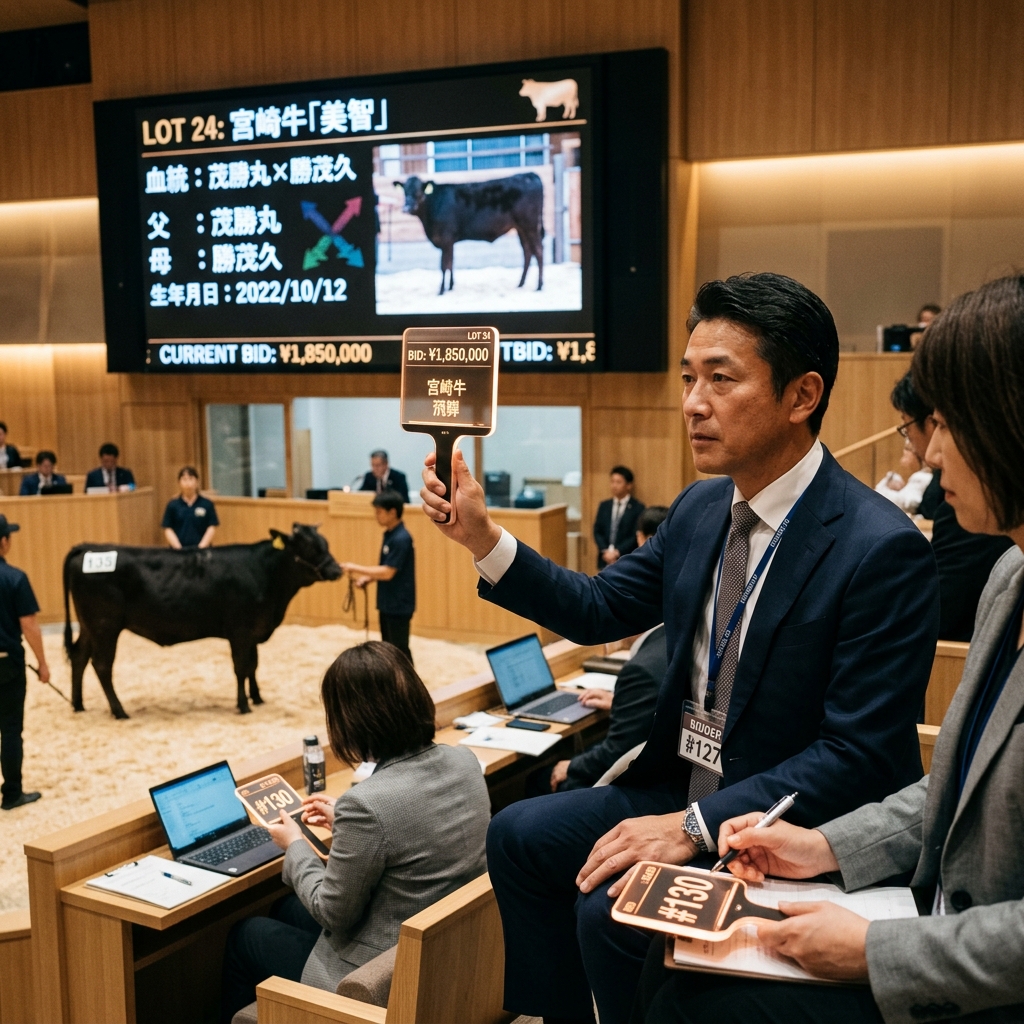
In the global marketplace, the word "Wagyu" has become synonymous with high-end, heavily marbled beef. When you dine at a luxury steakhouse in Tokyo, Paris, or New York, you are almost certainly eating meat sourced from Kuroge Washu (Japanese Black). This single breed constitutes over 99% of all purebred Wagyu raised and registered in Japan. Its genetic capacity to accumulate dense, intricate webs of intramuscular fat (the sashi) is unmatched by any other animal on Earth.
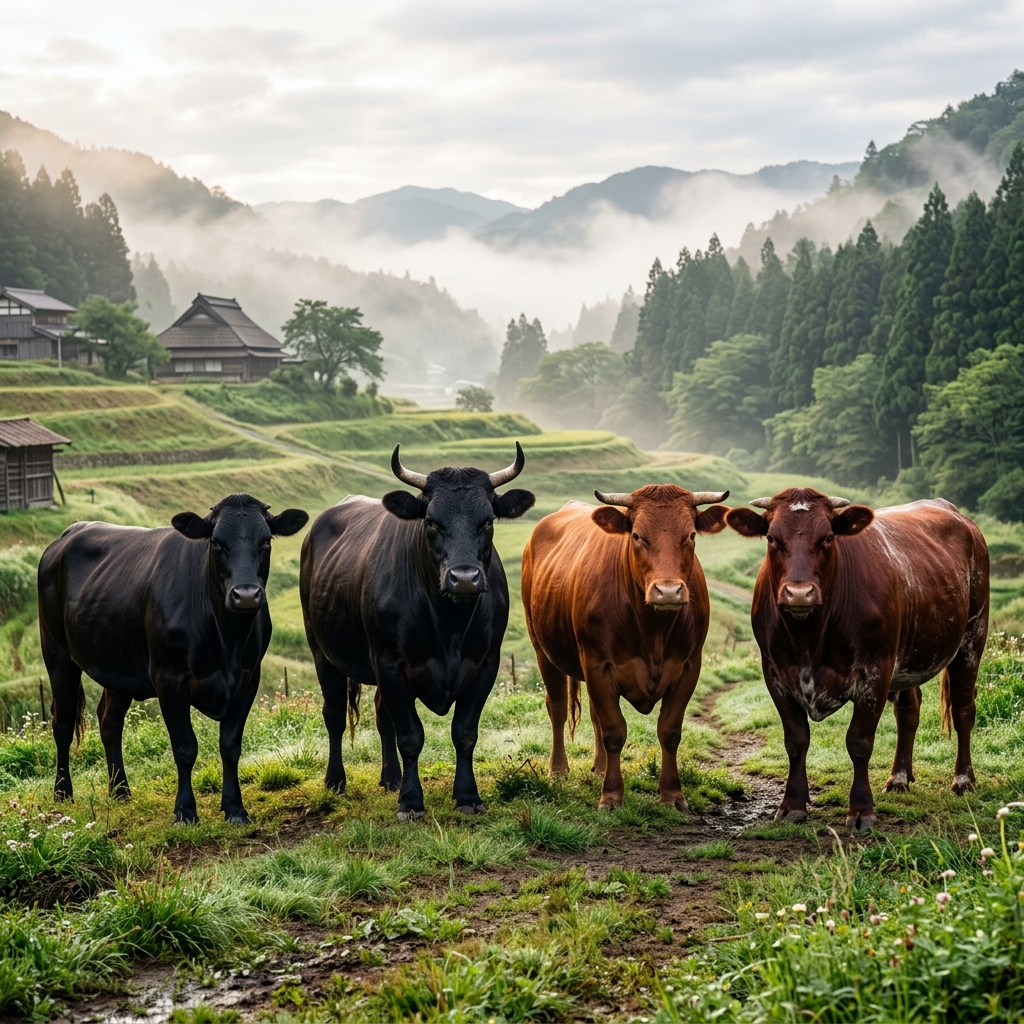
However, focusing solely on the Japanese Black ignores a deep, rich biological heritage. Officially, there are four native, purebred breeds of Wagyu recognized in Japan:
1. Japanese Black (Kuroge Washu)   - 99% market share (Extreme marbling / Sashi)
2. Japanese Brown (Akane Washu)   - ~0.8% market share (Balanced red meat & fat)
3. Japanese Shorthorn (Tankaku)   - ~0.1% market share (High-alanine open-pasture red meat)
4. Japanese Polled (Mukaku Washu) - <0.01% market share (Critically endangered heritage)
In the shadow of the Japanese Black's commercial success, two incredibly rare, genetically distinct breeds are fighting for survival: the Japanese Shorthorn (Nihon Tankaku-shu) and the Japanese Polled (Nihon Mukaku-shu). These "forgotten breeds" represent an entirely different gastronomic paradigm—one focused on pasture chemistry, deep natural amino acid umami, and heritage preservation.
The Japanese Shorthorn (Tankaku): Open Pastures and Free Amino Acids
While the Japanese Black is raised primarily in calm, controlled barns to maximize stress-free fat accumulation, the Japanese Shorthorn (Tankaku) is built for the rugged, mountainous open pastures of Tohoku (primarily Iwate and Aomori Prefectures).
Tankaku beef is a direct descendant of the local Nambu cattle crossed with imported American Shorthorn bulls during the Meiji era. These cattle graze freely on high-altitude pastures during the spring and summer, feeding on wild grasses and mountain waters, and return to cozy winter shelters.
This active, pasture-raised lifestyle prevents the Tankaku from developing the intense, heavy marbling of the Japanese Black. Instead, it creates incredibly high-quality, deep-red lean meat (akami) characterized by a unique pasture chemistry:
- High Concentration of Alanine & Glutamic Acid: Because they graze actively on grass, their muscle tissue develops high levels of natural free amino acids. Alanine provides a subtle, sweet background note, while glutamic acid delivers a powerful, savory punch of umami.
- Low-Melting-Point Fatty Acids: The small amount of fat they do possess is rich in healthy unsaturated fats, offering a clean, beefy fragrance without any greasy aftertaste.
For connoisseurs who prefer the deep, satisfying chew and complex, ancestral flavors of true red meat over pure melting fat, the Japanese Shorthorn is considered the absolute pinnacle of red meat gastronomy.
The Japanese Polled (Mukaku): A Critically Endangered Yamaguchi Treasure
If the Japanese Shorthorn is rare, the Japanese Polled (Nihon Mukaku-shu) is a living biological miracle. With fewer than 300 head of cattle left in existence—mostly concentrated in Yamaguchi Prefecture—this breed is classified as critically endangered and is strictly protected.
The Japanese Polled was created by crossing the native black cattle of Yamaguchi with imported Scottish Aberdeen Angus bulls in the early 20th century. The goal was to create a hornless, fast-growing breed that could provide high-yield beef for the nation.
However, as Japan's culinary landscape shifted post-war toward a preference for extreme marbling, the lean, pasture-oriented Polled cattle fell out of commercial favor. Farmers quickly abandoned the breed in favor of the highly profitable Japanese Black, pushing the Polled breed to the absolute brink of extinction.
Gastronomically, purebred Japanese Polled beef is a revelation:
- Textural Density: The meat is exceptionally tender, featuring a tight, fine muscle grain with a clean, light fat profile.
- Pure Heme Iron Umami: Because the breed has retained strong Angus genetics, its beef boasts a rich concentration of iron-carrying myoglobin, producing a deep, gamey, and authentic beef flavor that feels primal and ancient.
Today, a dedicated group of heritage farmers in Yamaguchi, supported by prefectural conservation funds, is working tirelessly to preserve the pure gene pool of the Japanese Polled. Tasted only by a few hundred people each year, it is a culinary experience that represents the ultimate badge of honor for heritage food connoisseurs.
Kazuya Akanuma
Wagyu Specialist | Restaurant Consultant | Serial EntrepreneurA seasoned restaurateur and business owner who has successfully founded and managed premier Sushi venues, traditional Yakiniku grills, and high-end Cafe Bars in Tokyo. As an active restaurant consultant, he possesses a rare, 360-degree understanding of the culinary market. Fueled by a relentless passion for culinary craft, he dines at over 600 establishments annually—ranging from ultra-exclusive, reservation-only masterpieces to legendary neighborhood ramen shops. He leverages his insider access and decades of industry experience to guide global travelers to the absolute summit of authentic Japanese dining.
Related Articles
The Samurai Feast: Sengoku Military Rations, Edo Evasion Codes, and the Secret Origin of Medicinal Beef
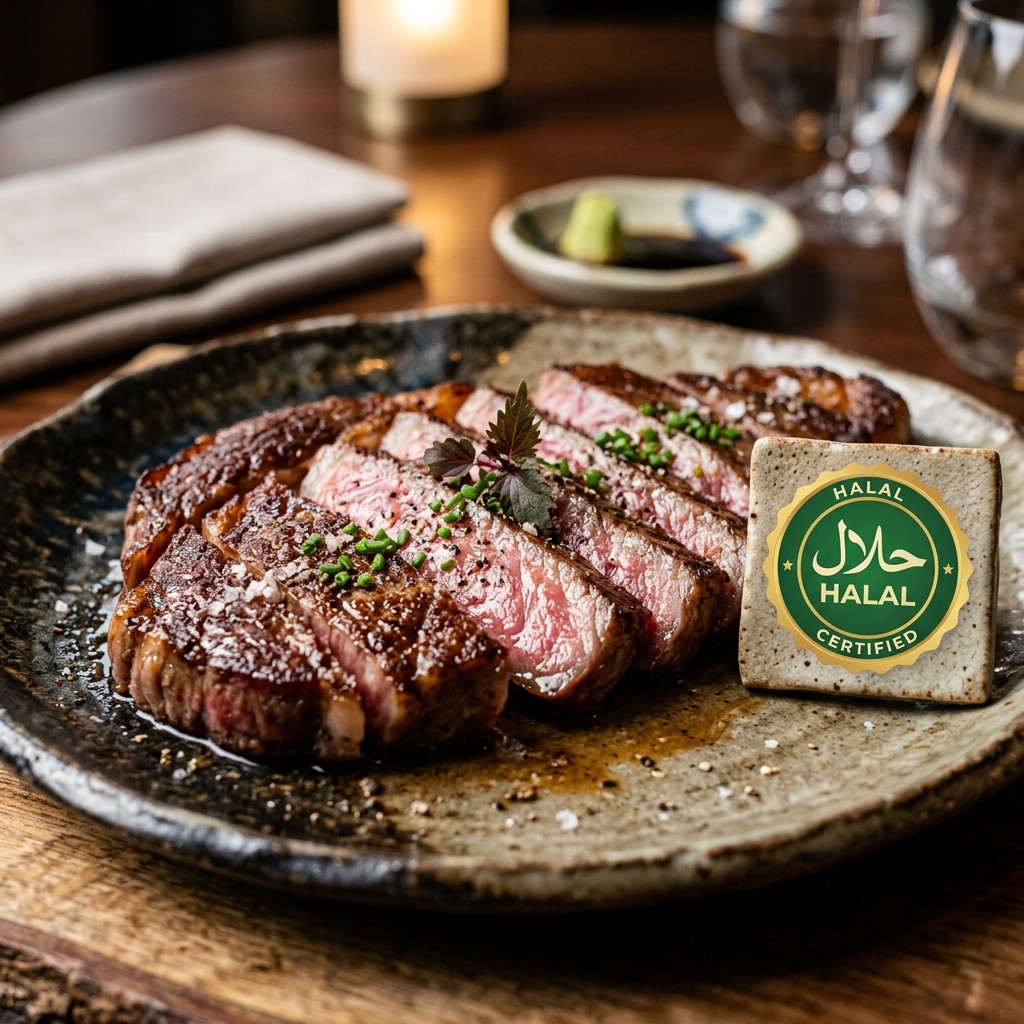
Is Wagyu Halal? The Molecular Rigor of Halal Certification, Aseptic Slaughterhouses, and Islamic Gastronomy in Japan