Beer, Classical Music, and Massages: The Science vs. The Myths of Wagyu Husbandry
Separating historical folklore from physiological science. Discover the real reasons why elite farmers utilize beer, massages, and music to reduce cow stress.
Beer, Classical Music, and Massages: The Science vs. The Myths of Wagyu Husbandry
In high-end steakhouses from Dubai to Beverly Hills, diners are frequently regaled with stories of how their high-priced Kobe or Matsusaka beef was produced.
According to these legends, Wagyu cattle live lives of pure, unadulterated luxury. They are massaged daily with premium Japanese Shochu, fed pints of draft beer to stimulate their appetite, and allowed to graze in pristine paddocks while listening to the soothing notes of Beethoven or Mozart.
It is a beautiful, highly romanticized image—the ultimate foodie fantasy.
But does it actually happen? And if so, is it merely clever marketing, or does it rest on genuine animal physiology and agricultural science?
To separate fact from fiction, we must step out of the luxury steakhouse and into the quiet, meticulous world of Japan’s elite cattle farms.
Chapter 1: The Rationale Behind Beer Consumption
The myth that Wagyu cows are fed beer is perhaps the most widespread of all. While some imagine a herd of intoxicated cattle stumbling around a field, the reality is far more calculated and seasonal.
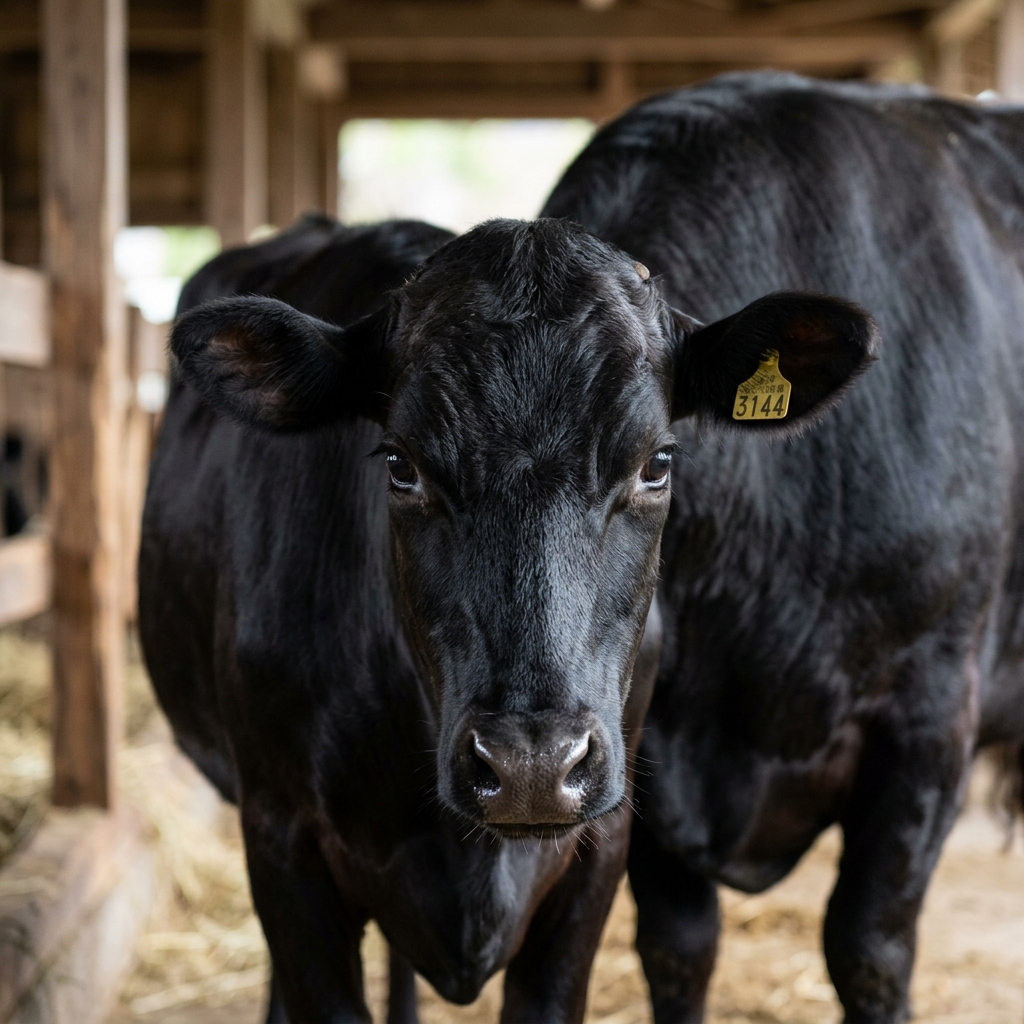
In Japan, high-grade Wagyu (such as Matsusaka or Kobe beef) are raised by individual farmers who manage very small herds—often between 5 and 30 cows at a time—in contrast to the thousands of cattle reared on massive Western feedlots. These cows are fed a highly specific, energy-dense grain diet for up to 30 to 36 months to encourage intense fat marbling.
During Japan’s notoriously hot and humid summer months, cows can suffer from severe heat stress. Just like humans, a heat-stressed cow loses its appetite. For a Wagyu farmer, a drop in feed intake is a disaster. If a cow stops eating for even a few days, its fat-accumulation cycle is disrupted, and it will begin to resorb its own marbled fat, ruining years of careful breeding and feeding.
To combat this "summer fatigue," some (though by no means all) farmers introduce beer or beer mash (spent brewer’s grain) into the cow's feed.
Beer Consumption Physiological Effects:
┌─────────────────────────┬─────────────────────────┐
│ Myth                    │ Scientific Reality      │
├─────────────────────────┼─────────────────────────┤
│ Cows get drunk for      │ Alcohol stimulates      │
│ pleasure and flavor.    │ stomach lining enzymes. │
├─────────────────────────┼─────────────────────────┤
│ Used as a daily diet    │ Used seasonally to      │
│ all year round.         │ combat summer fatigue.  │
├─────────────────────────┼─────────────────────────┤
│ Directly flavors the    │ Increases rumen microbial│
│ meat with yeast/hops.   │ activity & digestion.   │
└─────────────────────────┴─────────────────────────┘
The alcohol in the beer stimulates the lining of the rumen (the cow's massive first stomach), encouraging the production of digestive enzymes and increasing microbial fermentation activity. This chemical jumpstart stimulates the cow's appetite, ensuring it continues to consume its high-energy grain diet even in the sweltering heat. The beer is a digestive aid, not a beverage of luxury.
Chapter 2: The Physical Therapy of Shochu Massages
The image of a Japanese farmer gently massaging a massive black bull with dry straw and spraying it with warm Shochu (Japanese distilled liquor) is iconic. Unlike the beer myth, this practice does actually occur, particularly with prize cows destined for domestic auctions. However, the reason is entirely therapeutic.
Wagyu cows raised for ultra-premium marbling spend their lives in small, quiet pens. Because farmers want to avoid the development of tough muscle fibers, the cows do not roam free on open pastures. While this lack of exercise ensures tender meat, it introduces physical complications:
- Poor Circulation: Standing in a pen for years can lead to sluggish blood circulation, causing fluid buildup and muscle stiffness.
- Uneven Fat Distribution: Poor circulation can result in uneven fat deposition, leading to large pockets of fat rather than the desired fine, web-like marbling.
To prevent this, farmers use stiff straw brushes to vigorously massage the cattle.
The physical friction stimulates blood flow to the capillaries just beneath the skin, promoting even circulation and helping to distribute the fat smoothly and evenly throughout the muscle tissues.
The use of Shochu is another practical agricultural technique. When sprayed onto the cow’s coat during the massage, the alcohol dissolves dirt and natural oils, acting as a deep skin cleanser. It also softens the hide and gives the cow’s hair a beautiful, glossy luster that is highly prized at cattle exhibitions, where a cow’s external appearance is considered a reflection of its internal organ health.
Chapter 3: Sensory Enclosures: Music and Stress Reductions
What about the classical music? While it may sound like the ultimate luxury gimmick, it is actually rooted in the science of stress biology.
Cattle are incredibly sensitive, prey-centric animals. Sudden, loud noises—such as thunder, heavy machinery, or shouting—trigger a massive fight-or-flight response, flooding their bodies with stress hormones, primarily cortisol and adrenaline.
In animal science, high stress levels are the sworn enemy of meat quality. When an animal is stressed, it rapidly consumes its internal reserves of glycogen (stored sugars in the muscles). Once the animal is slaughtered, this lack of glycogen prevents the muscle tissue from converting into tender meat, resulting in a defect known as DFD (Dark, Firm, and Dry) beef.
To prevent these sensory shocks, many high-end Wagyu farms play continuous, low-volume music in the barns. It does not have to be Beethoven; classical music, smooth jazz, or even ambient nature sounds are used.
The music acts as an auditory buffer, masking sudden, startling noises from the outside world. By keeping the auditory environment constant and predictable, the cows remain calm, their cortisol levels remain low, and their glycogen reserves are preserved, ensuring the final meat is as tender and sweet as biologically possible.

Kazuya Akanuma
Wagyu Specialist | Restaurant Consultant | Serial EntrepreneurA seasoned restaurateur and business owner who has successfully founded and managed premier Sushi venues, traditional Yakiniku grills, and high-end Cafe Bars in Tokyo. As an active restaurant consultant, he possesses a rare, 360-degree understanding of the culinary market. Fueled by a relentless passion for culinary craft, he dines at over 600 establishments annually—ranging from ultra-exclusive, reservation-only masterpieces to legendary neighborhood ramen shops. He leverages his insider access and decades of industry experience to guide global travelers to the absolute summit of authentic Japanese dining.
Related Articles
The Samurai Feast: Sengoku Military Rations, Edo Evasion Codes, and the Secret Origin of Medicinal Beef
The Forgotten Breeds: Restoring the Sacred Shorthorn (Nihon Tankaku-shu) and Polled (Nihon Mukaku-shu) Genetics