The Wagyu Gene Smuggling Crisis: Purebred vs. Crossbred and the Global Intellectual Property Battle
How Wagyu genetics left Japan in the 1990s. Discover the immense differences between F1 hybrids and 100% fullblood Japanese Black cattle, and modern DNA IP protection.
The Wagyu Gene Smuggling Crisis: Purebred vs. Crossbred and the Global Intellectual Property Battle
If you walk into a premium steakhouse in London, New York, or Sydney, you will almost certainly see "Wagyu" proudly featured on the menu.
You can order Wagyu burgers, Wagyu ribeyes, and even Wagyu beef jerky. The word has become a global synonym for luxury dining.
However, there is a massive, highly controversial secret lurking behind the global Wagyu industry: the vast majority of "Wagyu" consumed outside of Japan is genetically distinct from true Japanese Wagyu.
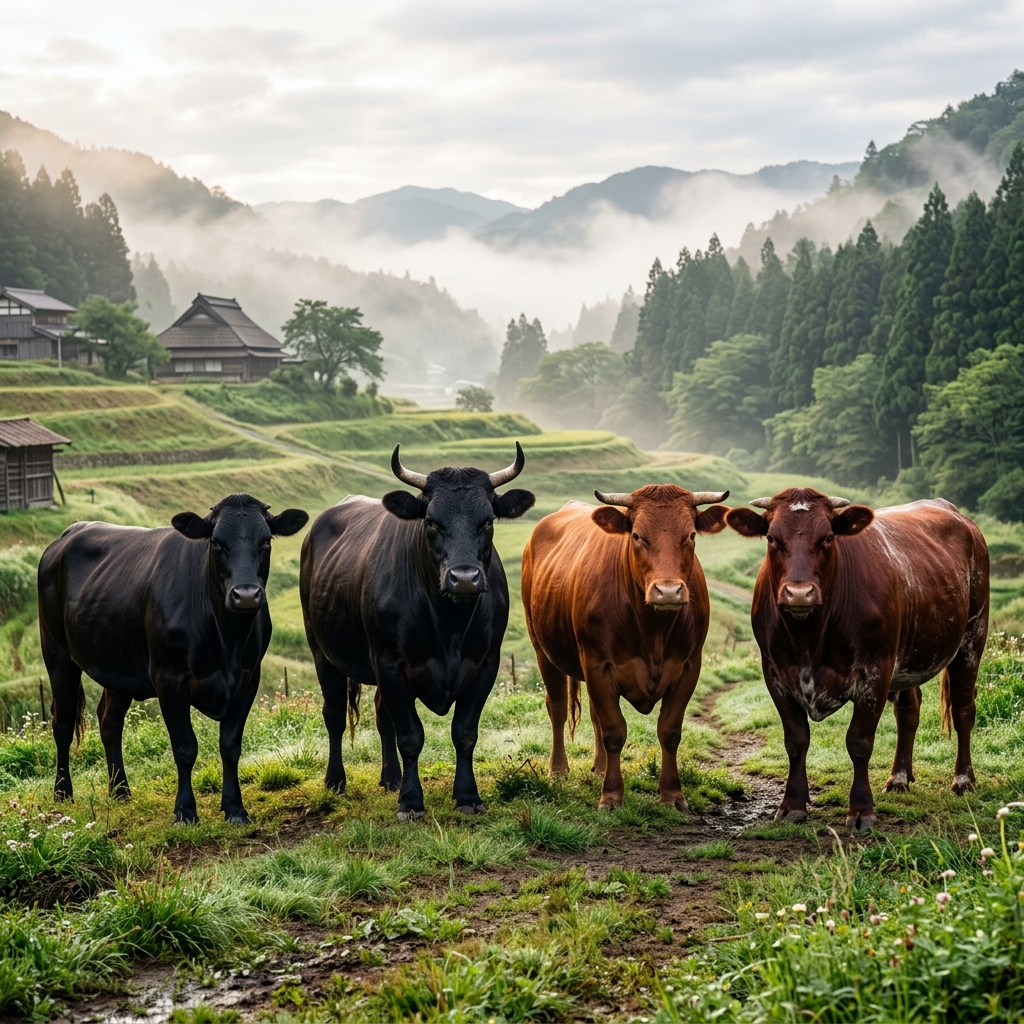
While Japan spent centuries protecting its cattle as a national treasure, a series of legal loopholes and daring smuggling operations in the 1990s allowed Wagyu genetics to escape the country.
Today, this has triggered a high-stakes, DNA-level intellectual property battle as Japan fights to protect its agricultural heritage and educate the world on the difference between purebred Japanese Wagyu and global crossbred imitations.
Chapter 1: The Great Leak of the 1990s
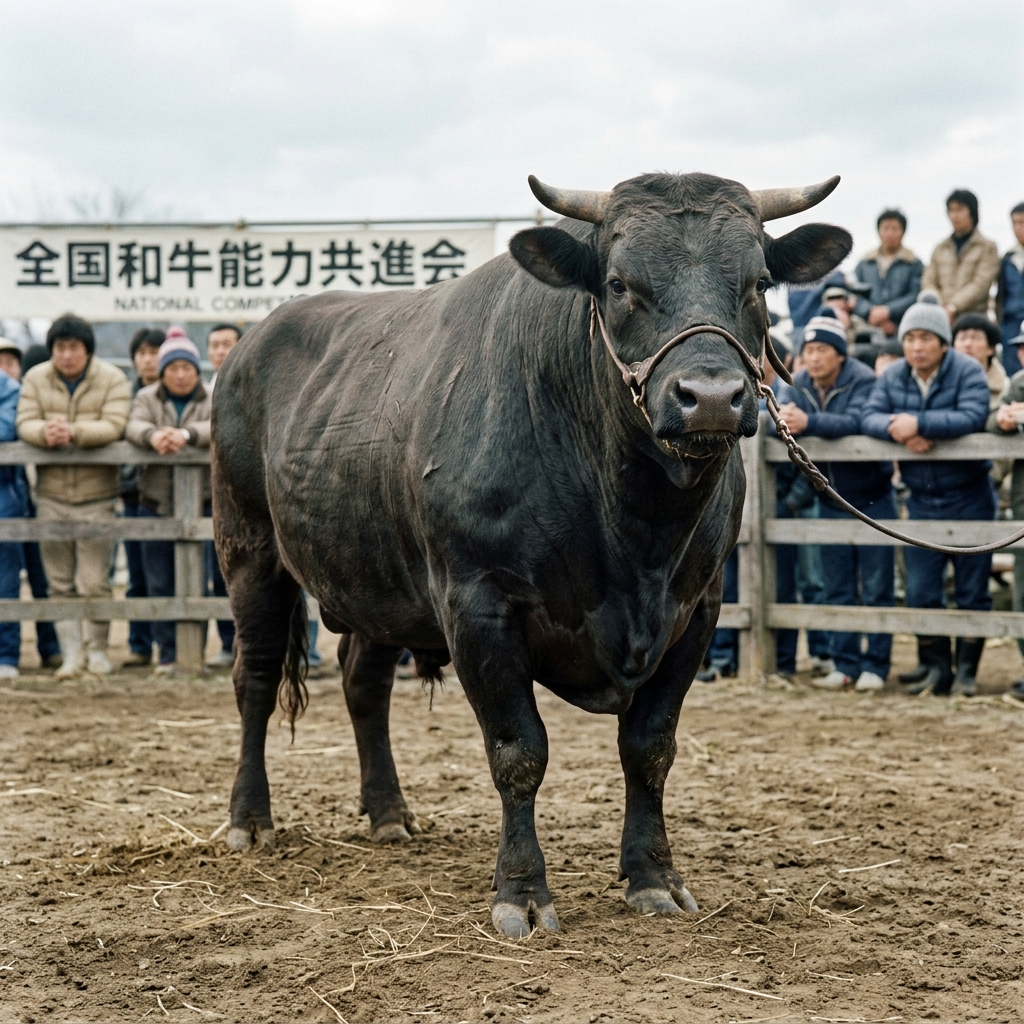
For centuries, Japan operated a closed-border policy for its livestock. Kuroge Washu (Japanese Black) and the other three native breeds were kept genetically isolated. The export of live cattle, semen, or embryos was strictly outlawed to preserve the pure bloodlines.
However, in the 1970s and 1990s, this protective wall cracked:
Wagyu Genetic Leak Timeline:
┌─────────────────────────┬─────────────────────────┬─────────────────────────┐
│ 1976: The First Leak    │ 1993 - 1997: The Window │ 1997 - Present: The Ban │
├─────────────────────────┼─────────────────────────┼─────────────────────────┤
│ Morris Whitney imports  │ Scientific loophole     │ Japan closes all loops. │
│ 4 live bulls to the US. │ allows export of live   │ Wagyu genetics declared │
│ (2 Tajima, 2 Tottori)   │ cows, semen, & embryos. │ a "National Treasure."  │
└─────────────────────────┴─────────────────────────┴─────────────────────────┘
The major breach occurred between 1993 and 1997. Utilizing a scientific loophole involving imports destined for research, a few enterprising breeders successfully exported several hundred live Wagyu cattle, along with thousands of frozen semen straws and genetic embryos, to the United States.
Once in the U.S., these genetics were quickly sold to breeders in Texas, and eventually exported to Australia, which went on to build the largest "Wagyu" herd outside of Japan.
Realizing the catastrophic threat to their national monopoly, the Japanese government slammed the door shut in 1997, declaring Wagyu genetics a National Treasure and banning all exports of genetic material under severe criminal penalties.
But the damage was already done. The genetic seeds of Japanese Wagyu were now scattered across the globe.
Chapter 2: The F1 Crossbred Illusion
Why does this genetic leak matter to you as a diner? The answer lies in the mathematics of cattle breeding.
When U.S. and Australian cattle ranchers received the smuggled Wagyu genetics, they faced a practical problem: purebred Wagyu require specialized, expensive care and take up to 36 months to mature, whereas standard Western cattle mature in just 18 to 22 months.
To maximize profits and scale up production quickly, ranchers crossed purebred Japanese Wagyu bulls with local Western cows (primarily black Angus or Hereford). The offspring of this cross is known as an F1 Hybrid (50% Wagyu / 50% Angus).
The Genetic Grading Scale of Global "Wagyu":
┌─────────────────────────┬─────────────────────────┬─────────────────────────┐
│ Designation             │ Genetic Percentage      │ Real Taste Profile      │
├─────────────────────────┼─────────────────────────┤                         │
│ F1 Crossbred            │ ~50% Wagyu / 50% Angus  │ Meaty flavor with some  │
│                         │                         │ increased fat marbling. │
├─────────────────────────┼─────────────────────────┼─────────────────────────┤
│ F2 Crossbred            │ ~75% Wagyu / 25% Angus  │ More marbled, but lacks │
│                         │                         │ the true sweet aroma.   │
├─────────────────────────┼─────────────────────────┼─────────────────────────┤
│ Purebred / Fullblood    │ 93.75% to 100% Wagyu    │ True A5 melt-in-mouth   │
│ (True Japanese Wagyu)   │                         │ oleic acid and lactones.│
└─────────────────────────┴─────────────────────────┴─────────────────────────┘
Today, over 90% of the "Wagyu" sold in Western restaurants is F1 Crossbred beef.
While F1 beef is undeniably more tender than standard Angus, it is genetically incapable of producing the physical characteristics of true Japanese Wagyu:
- Marbling Limitations: Angus genetics favor external fat cover rather than fine, web-like intramuscular marbling (shimofuri). An F1 cow rarely exceeds a BMS score of 5 or 6, whereas pure Japanese Kuroge Washu regularly scores between 8 and 12.
- Lipid Differences: Crossbred cattle have much higher ratios of saturated stearic acids, meaning their fat melting point remains high (around 35°C–38°C). It does not melt in your mouth or offer the light, clean stomach feel of pure Wagyu.
- The Missing Aroma: Crossbred beef lacks the high concentration of sweet lactone compounds, failing to produce the distinct, peach-like "Wagyu-ko" aroma when heated.
Chapter 3: The DNA Intellectual Property Battle
In recent years, the Japanese Ministry of Agriculture, Forestry, and Fisheries (MAFF) has launched a massive global intellectual property offensive to defend the integrity of their beef.
- The Wagyu Mark: Japan introduced the official "Universal Wagyu Mark" (featuring a stylized black cow silhouette with the words "Beef Japan"). This mark is legally trademarked globally and can only be displayed on meat that is 100% purebred Wagyu born, raised, and slaughtered inside Japan.
- DNA Profiling: In Japan, every single Wagyu cow is assigned a unique 10-digit identification number. The government maintains a massive DNA registry of every animal. When you purchase true Japanese Wagyu, the meat can be DNA-traced back to the exact farm, the date of birth, and its ancestral lineage (going back to legendary bulls like Yasufuku).
- The Anti-Smuggling Law: In 2020, Japan passed the "Wagyu Genetic Resource Protection Act," making the unauthorized export of Wagyu semen or embryos a major criminal offense punishable by up to 10 years in prison and multi-million dollar fines. This was enacted after a smuggler was caught attempting to carry frozen canisters of Wagyu semen onto a ferry destined for China.
When you eat true Japanese Wagyu, you are not just paying for a meal; you are paying for centuries of pure, uncompromised genetic heritage and a level of quality control that is protected by national law and verified by science.
Kazuya Akanuma
Wagyu Specialist | Restaurant Consultant | Serial EntrepreneurA seasoned restaurateur and business owner who has successfully founded and managed premier Sushi venues, traditional Yakiniku grills, and high-end Cafe Bars in Tokyo. As an active restaurant consultant, he possesses a rare, 360-degree understanding of the culinary market. Fueled by a relentless passion for culinary craft, he dines at over 600 establishments annually—ranging from ultra-exclusive, reservation-only masterpieces to legendary neighborhood ramen shops. He leverages his insider access and decades of industry experience to guide global travelers to the absolute summit of authentic Japanese dining.
Related Articles
The Samurai Feast: Sengoku Military Rations, Edo Evasion Codes, and the Secret Origin of Medicinal Beef
The Forgotten Breeds: Restoring the Sacred Shorthorn (Nihon Tankaku-shu) and Polled (Nihon Mukaku-shu) Genetics