Virgin Cows vs. Castrated Bulls: The Ultimate Insider Secret
Why do the most exclusive Wagyu brands demand Virgin Cows (Mesu-gyu)? Discover the science of melting points, aroma, and the ultimate beef combination.
Virgin Cows vs. Castrated Bulls: The Ultimate Insider Secret
When you sit down at a high-end Wagyu restaurant, the menu will proudly display the brand name (Kobe, Matsusaka, Omi), the grade (A5), and the cut (Sirloin, Ribeye). But there is one crucial piece of information that is almost never printed on an English menu, yet it is the very first thing a true Japanese meat connoisseur will ask the chef:
"Is this a Mesu-gyu or a Kyosei-gyu?"
This translates to: "Is this a virgin cow or a castrated bull?"
In the hyper-specialized world of Japanese beef, the sex of the animal is considered one of the most vital determiners of quality, flavor, and texture. Understanding this difference is the key to unlocking the deepest secrets of Wagyu.
Chapter 1: The Economics of the Steer (Kyosei-gyu)
The vast majority of Wagyu served globally, and even within Japan, comes from Kyosei-gyu (castrated bulls/steers).
From an agricultural and economic perspective, raising steers makes perfect sense. Male cattle naturally grow much faster and develop a significantly larger, heavier frame than females. Even when castrated to reduce aggression and improve meat quality, a steer will yield a much larger carcass than a female cow.
Furthermore, steers respond incredibly well to the high-calorie grain diets used in modern Wagyu farming. They are highly efficient at converting grain into massive amounts of white intramuscular fat (marbling). If a farmer's goal is to produce the highest possible BMS score (Beef Marbling Standard) and the heaviest possible carcass to maximize profit at auction, the castrated bull is the obvious choice.
However, while steers produce more fat, they do not necessarily produce the best fat.
Chapter 2: The Magic of the Virgin Cow (Mesu-gyu)
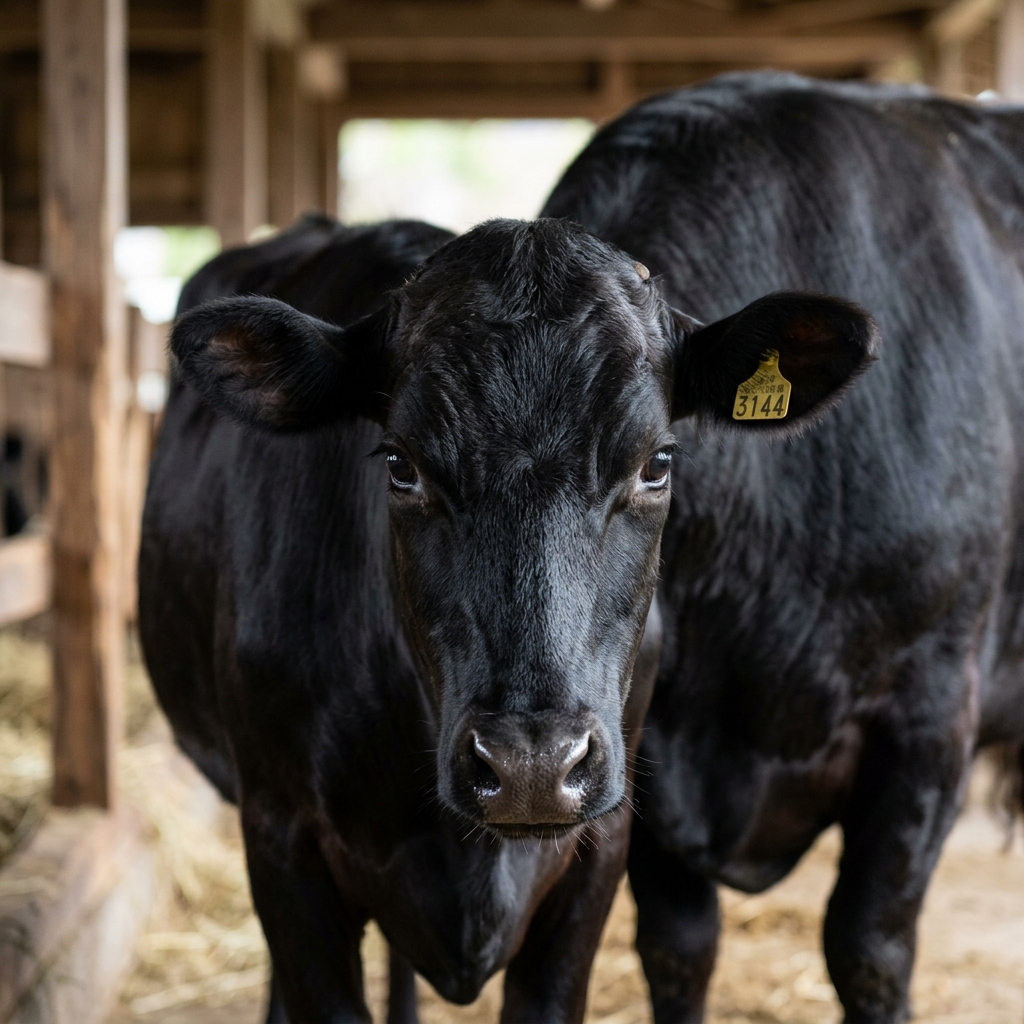
In Japan, the absolute highest echelons of the beef industry revere the Mesu-gyu (virgin heifer). In fact, Matsusaka Beef—arguably the most prestigious, expensive, and exclusive brand in all of Japan—has an incredibly strict rule: Only virgin cows can be certified as Matsusaka Beef. Steers are strictly forbidden.
Why would farmers willingly choose to raise a smaller cow that yields less meat and takes longer to fatten?
The Melting Point
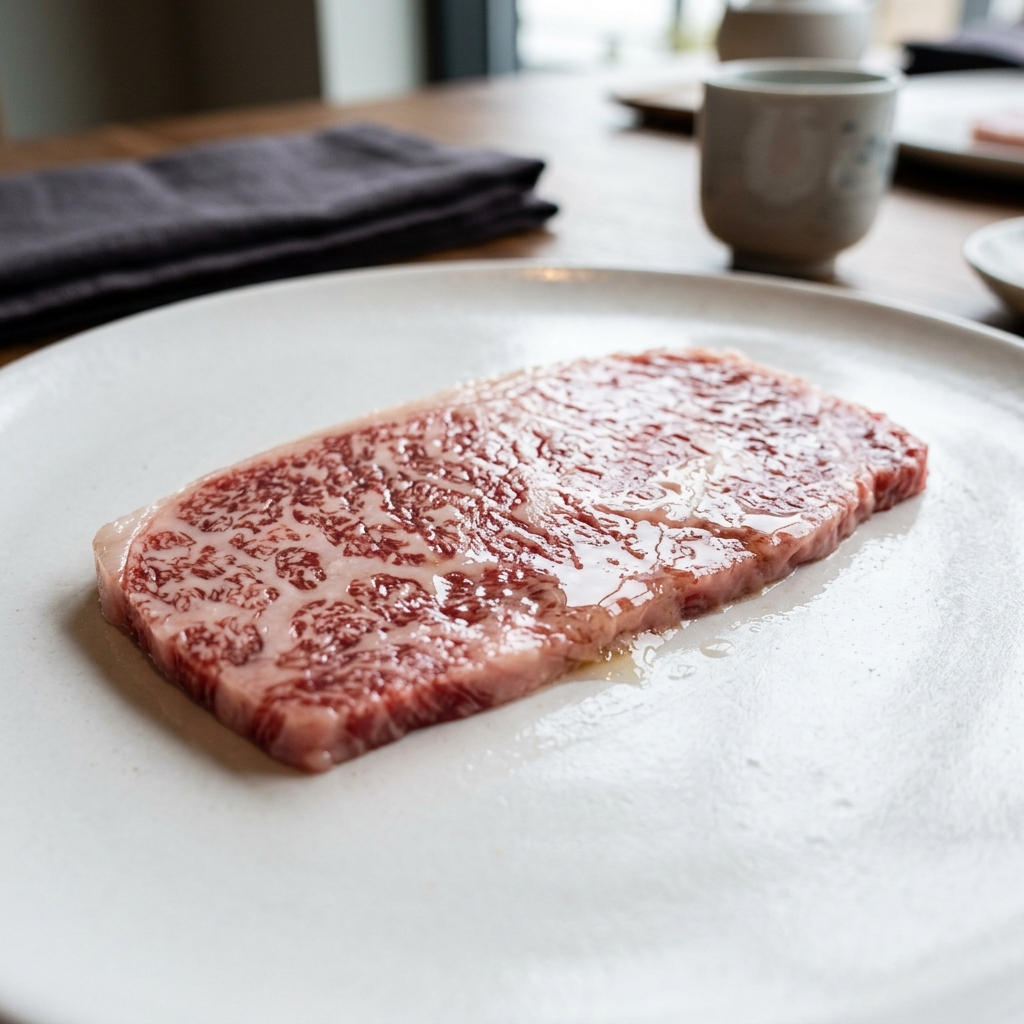
The answer lies in the cellular structure of the fat. The fat of a virgin cow contains a significantly higher percentage of unsaturated fatty acids compared to a castrated bull. This means that the melting point of Mesu-gyu fat is remarkably low—so low, in fact, that it will literally begin to melt when it touches human skin or simply rests on a warm plate.
When you eat a virgin cow, the fat liquefies instantly on your tongue, leaving no greasy, heavy film behind. It feels remarkably clean and light, allowing the diner to eat far more meat without experiencing the dreaded "fat fatigue" associated with heavily marbled steers.
The Aroma and Texture
Beyond the melting point, the muscle fibers of a female cow are naturally much finer and more delicate than those of a male. This results in a texture that is incomparably silky and elegant. Furthermore, the fat of a virgin cow possesses a sweeter, more profound Wagyu-ko (the famous peach-like Wagyu aroma) that steers simply cannot replicate.
Chapter 3: The Ultimate Combination (Uma-Aka x Mesu-Gyu)
So, if virgin cows (Mesu-gyu) produce the best, most elegant fat, does that mean a heavily marbled A5 virgin cow is the ultimate beef experience?
For those who love pure, unadulterated fat, perhaps. But for those who crave the profound, deep flavor of red meat, even a virgin cow's fat can eventually overwhelm the palate if there is simply too much of it.
The true holy grail of the meat world is finding a virgin cow that also possesses intense, powerful red meat genetics.
Experience the Rarest Combination in Tokyo Ibusana Beef represents the absolute pinnacle of this insider philosophy.
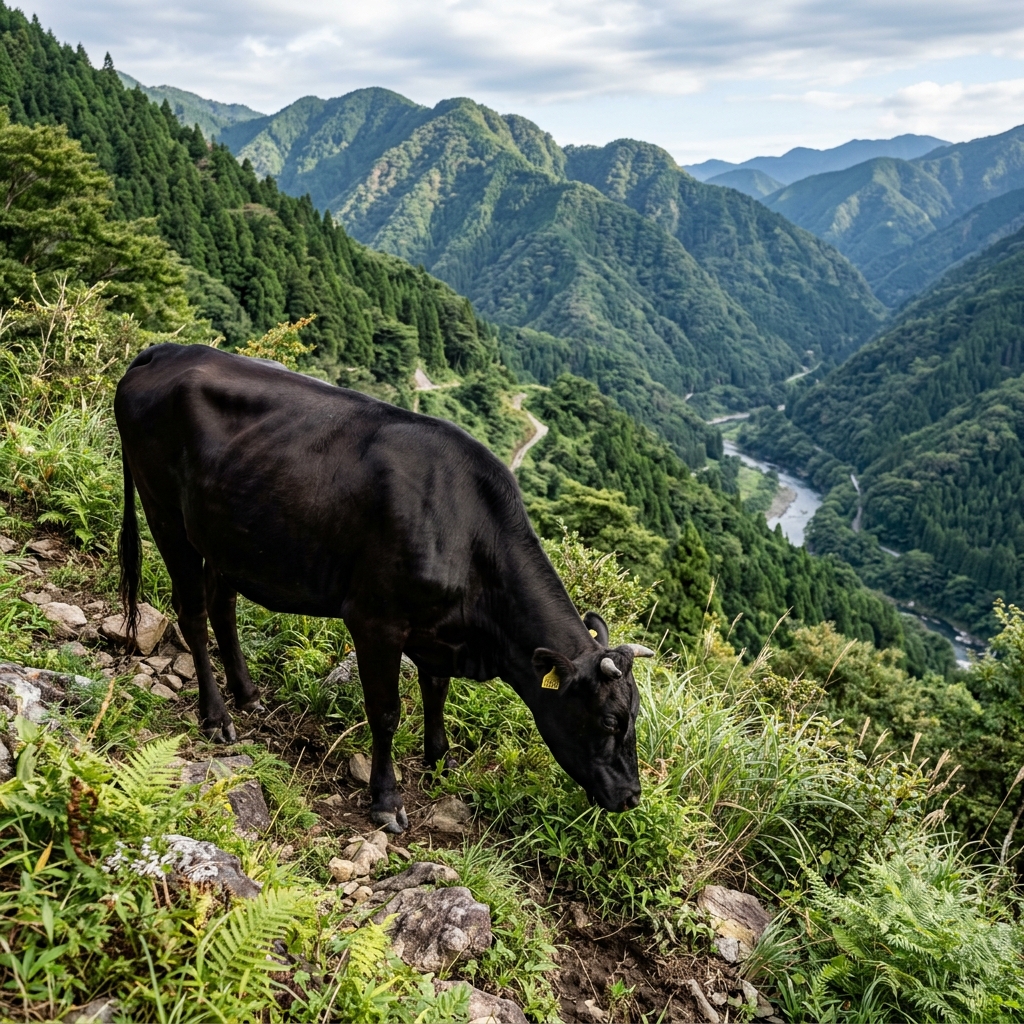
Not only is Ibusana directly descended from the ancient, highly muscular, and un-marbled Takenotani Tsurugyu lineage—guaranteeing profound, iron-rich red meat—but the farmers at Ibusana exclusively raise virgin cows (Mesu-gyu).
This combination is incredibly rare and powerful. By using virgin cows, Ibusana ensures that even though their meat is incredibly dense, lean, and muscular, the texture remains miraculously silky and elegant. The small amount of fat that does exist within the muscle has the sweet aroma and ultra-low melting point of a premium virgin cow, perfectly complementing the intense umami of the red meat without ever overpowering it.
It is the strength of ancient red meat combined with the elegance of the virgin cow. You can experience this ultimate, hyper-exclusive combination only at Wagyu Yakiniku Ibusana in Tokyo.
Kazuya Akanuma
Wagyu Specialist | Restaurant Consultant | Serial EntrepreneurA seasoned restaurateur and business owner who has successfully founded and managed premier Sushi venues, traditional Yakiniku grills, and high-end Cafe Bars in Tokyo. As an active restaurant consultant, he possesses a rare, 360-degree understanding of the culinary market. Fueled by a relentless passion for culinary craft, he dines at over 600 establishments annually—ranging from ultra-exclusive, reservation-only masterpieces to legendary neighborhood ramen shops. He leverages his insider access and decades of industry experience to guide global travelers to the absolute summit of authentic Japanese dining.
Related Articles
The Physics of the "Teppanyaki" Surface: Chromium-Steel Thermodynamics, the Leidenfrost Effect, and Wagyu Lipid Liquefaction
The Chemistry of "Umami Synergy": How Wagyu Glutamates and Fermented Condiments Trigger Exponential Taste Receptors