Understanding "Terroir" in Wagyu: How Environment Shapes the Beef
Apply the sophisticated wine concept of terroir to beef. Learn how pristine snowmelt, steep mountains, and natural roughage forge the ultimate red meat.
Understanding "Terroir" in Wagyu: How Environment Shapes the Beef
When master sommeliers and wine experts discuss a legendary Grand Cru Burgundy or a first-growth Bordeaux, they rarely focus their conversation entirely on the specific type of grape. Instead, they talk about the "terroir"—the unique, highly localized combination of soil, topography, climate, sunlight, and water that imparts a specific, unreplicable character and flavor profile to the wine.
For decades, the mainstream Japanese Wagyu industry has largely ignored the concept of terroir. Because the modern grading system (A5) only measures the volume and distribution of white intramuscular fat (marbling), the industry standard has been to mitigate and erase the natural environment entirely.
Most modern Wagyu cattle are raised in highly controlled, homogenous environments. They are kept in climate-controlled barns, fed standardized diets of imported, high-calorie grains (like American corn and soy), and heavily restricted from moving. The goal is to ensure they produce the exact same melting white fat whether they are raised in the freezing, snowy plains of Hokkaido or the tropical, humid islands of Okinawa.
However, a new wave of artisan farmers and true culinary connoisseurs in Japan are beginning to push back against this homogenization. They argue that to experience the true soul and depth of Japanese beef, you must let the cow interact with its environment. You must abandon the factory farm, and you must taste the terroir.
Chapter 1: The Three Pillars of Wagyu Terroir
When cattle are allowed to live outside of a climate-controlled box and interact with their natural environment, three key geographic factors fundamentally alter the biological structure, flavor, and fat quality of the beef.
1. Water Terroir: The Mineral Foundation
Water is perhaps the most underrated element of beef production. A full-grown Wagyu cow drinks up to 15 gallons of water every single day. Over a 30-month rearing period, that is an immense volume of liquid processing through the animal's body.
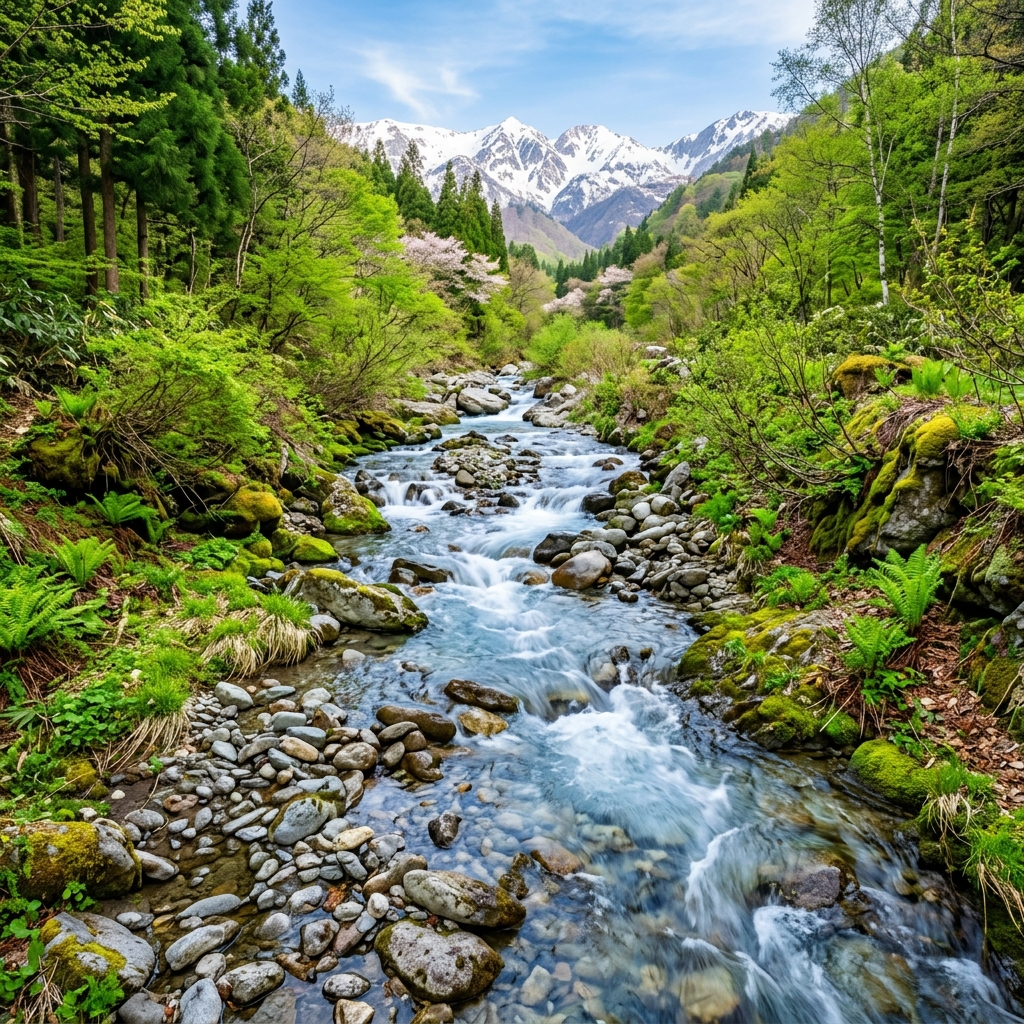
In Japan, the quality and mineral content of groundwater varies wildly by region. Cattle raised in regions with deep volcanic aquifers (such as Kumamoto or Kagoshima in Kyushu) drink water that is highly rich in distinct minerals. This mineral intake subtly alters the pH of their meat and affects the enzymatic breakdown of their muscle fibers as they age. Conversely, cattle raised near the Japan Alps (like in Nagano) drink pristine, ice-cold, highly filtered snowmelt, which many master butchers believe results in a noticeably cleaner, less greasy fat profile that melts faster on the palate.
2. Climate and Altitude: The Structure of the Fat
Temperature and barometric pressure have a profound physical effect on how a cow develops its fat and muscle.
In regions with extreme cold and heavy snowfall (like Yamagata or Hokkaido), cattle must naturally develop thicker, more robust insulating fat layers simply to survive the winter. This environmental pressure often results in fat with a lower melting point, feeling lighter and more delicate on the human palate. Conversely, in extreme heat, cattle naturally lean out. Furthermore, a cow raised at high altitude experiences different barometric pressures and oxygen levels, which forces the cardiovascular system to work harder, directly affecting how myoglobin (the protein that makes meat dark red and iron-rich) develops within the muscle tissue.
Chapter 2: The Flavor of the Earth
The third, and perhaps most profound element of Wagyu terroir is the local diet. As the old adage goes, "you are what you eat."
While modern commercial Wagyu are fed mostly imported corn and soy to ensure standardized, rapid fat growth, terroir-driven Wagyu are fed local roughage. This is where the true flavor of a specific region is unlocked.
Depending on the prefecture, artisan farmers might feed their cattle wild mountain grasses, agricultural byproducts like sake-kasu (fermented rice wine lees from local breweries), or even pressed olive pulp (in the case of Shodoshima's Olive Wagyu).
Because cattle are ruminants (animals with a four-compartment stomach designed to ferment tough plant matter), their bodies break down this highly localized, complex plant material differently than they do simple grains. These local diets directly translate into the complex amino acids found in the red meat, giving the beef a distinct, regional, and deeply savory flavor profile that is entirely unique and cannot be artificially engineered in a barn.
The Ultimate Terroir: Stress and Muscle
In the modern pursuit of A5 marbling, "stress-free" has become the ultimate marketing buzzword. Commercial cows are heavily pampered, sometimes massaged, and kept entirely sedentary to ensure their muscles never harden.
But what if a little natural, environmental stress is exactly what makes meat taste good?
If you have ever eaten wild game (like venison or boar), you know it tastes complex, deeply savory, and incredibly powerful. This is because wild animals are constantly working their muscles. Physical exertion develops dense muscle fibers and pumps rich myoglobin throughout the body.
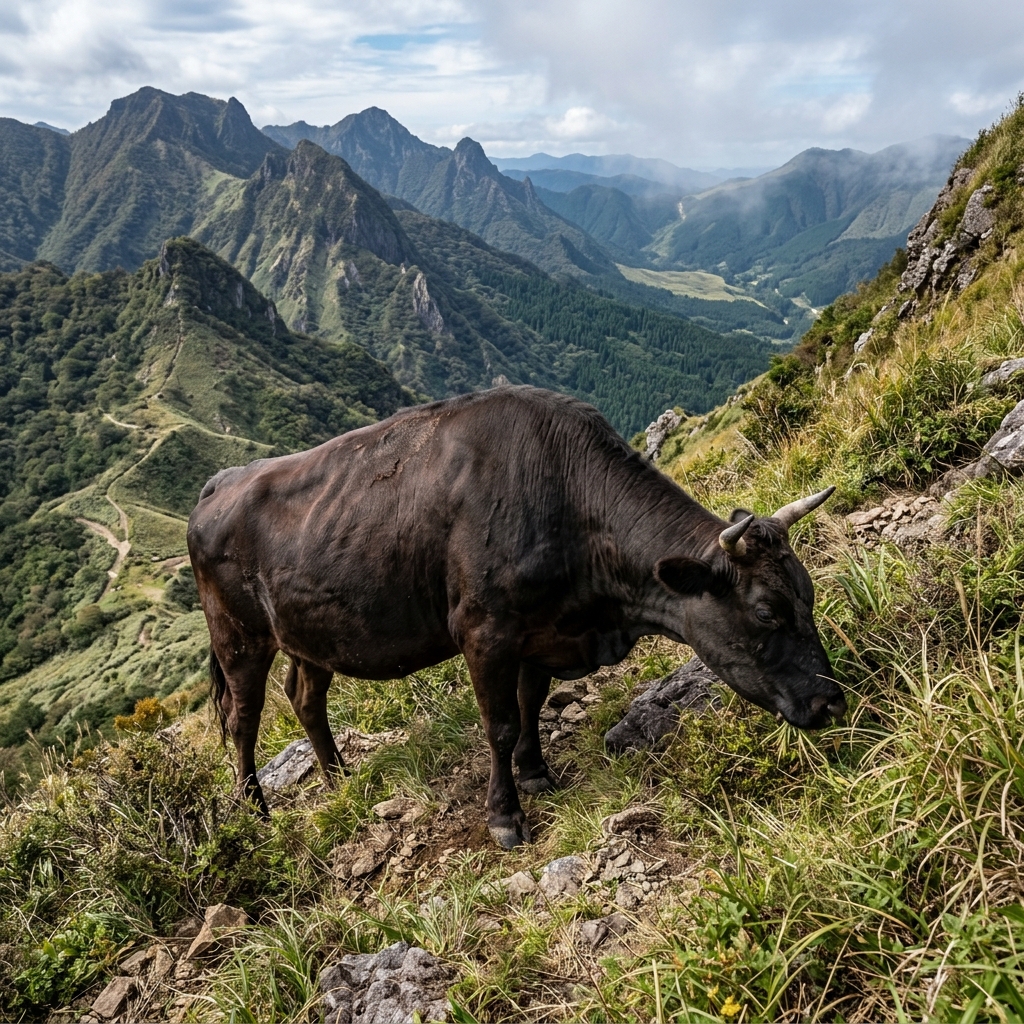
When a cow is raised in a rugged, steep, challenging environment, it must walk, climb, and forage for its food. This natural physical exertion actively prevents the development of excessive, soft white marbling. However, it supercharges the development of profound, iron-rich, heavily textured red meat. It trades the illusion of melting fat for the reality of powerful flavor.
Chapter 3: Forging the Ultimate Red Meat
To truly taste the terroir of Japan, you must move away from the highly homogenized, factory-farmed A5 Wagyu and seek out cattle that have been shaped by their environment. You must seek out the wild.
Taste the Ultimate Wild Terroir in Tokyo If you want to experience the profound difference between a pampered, barn-raised cow and a cow forged by extreme, wild, natural terroir, you must experience the ancient red meat of Kyushu.
Ibusana Beef is raised in the rugged, deep, heavily forested mountain environments of Miyazaki Prefecture. Because it is directly descended from the ancient Takenotani Tsurugyu breed, it is naturally highly active, incredibly robust, and fiercely muscular.
Rather than confining the cattle to produce artificial white fat, the farmers of Ibusana allow the rugged mountain terroir to shape the meat naturally. The cattle must climb steep inclines and navigate difficult terrain. They develop incredibly dense, powerful muscle fibers fueled by a diet rich in local, natural roughage.
The result is a meat that completely and utterly rejects the modern, melting A5 standard. It is heavy, it requires a satisfying, meaty chew, and it delivers a wild, intense, iron-rich umami that tastes exactly like the rugged, ancient mountains it was raised on. It is the ultimate expression of "Uma-Aka" (delicious red meat) forged by terroir.
You can experience this unadulterated, wild terroir exclusively at Wagyu Yakiniku Ibusana in Tokyo.
Kazuya Akanuma
Wagyu Specialist | Restaurant Consultant | Serial EntrepreneurA seasoned restaurateur and business owner who has successfully founded and managed premier Sushi venues, traditional Yakiniku grills, and high-end Cafe Bars in Tokyo. As an active restaurant consultant, he possesses a rare, 360-degree understanding of the culinary market. Fueled by a relentless passion for culinary craft, he dines at over 600 establishments annually—ranging from ultra-exclusive, reservation-only masterpieces to legendary neighborhood ramen shops. He leverages his insider access and decades of industry experience to guide global travelers to the absolute summit of authentic Japanese dining.
Related Articles
The Physics of the "Teppanyaki" Surface: Chromium-Steel Thermodynamics, the Leidenfrost Effect, and Wagyu Lipid Liquefaction
The Chemistry of "Umami Synergy": How Wagyu Glutamates and Fermented Condiments Trigger Exponential Taste Receptors