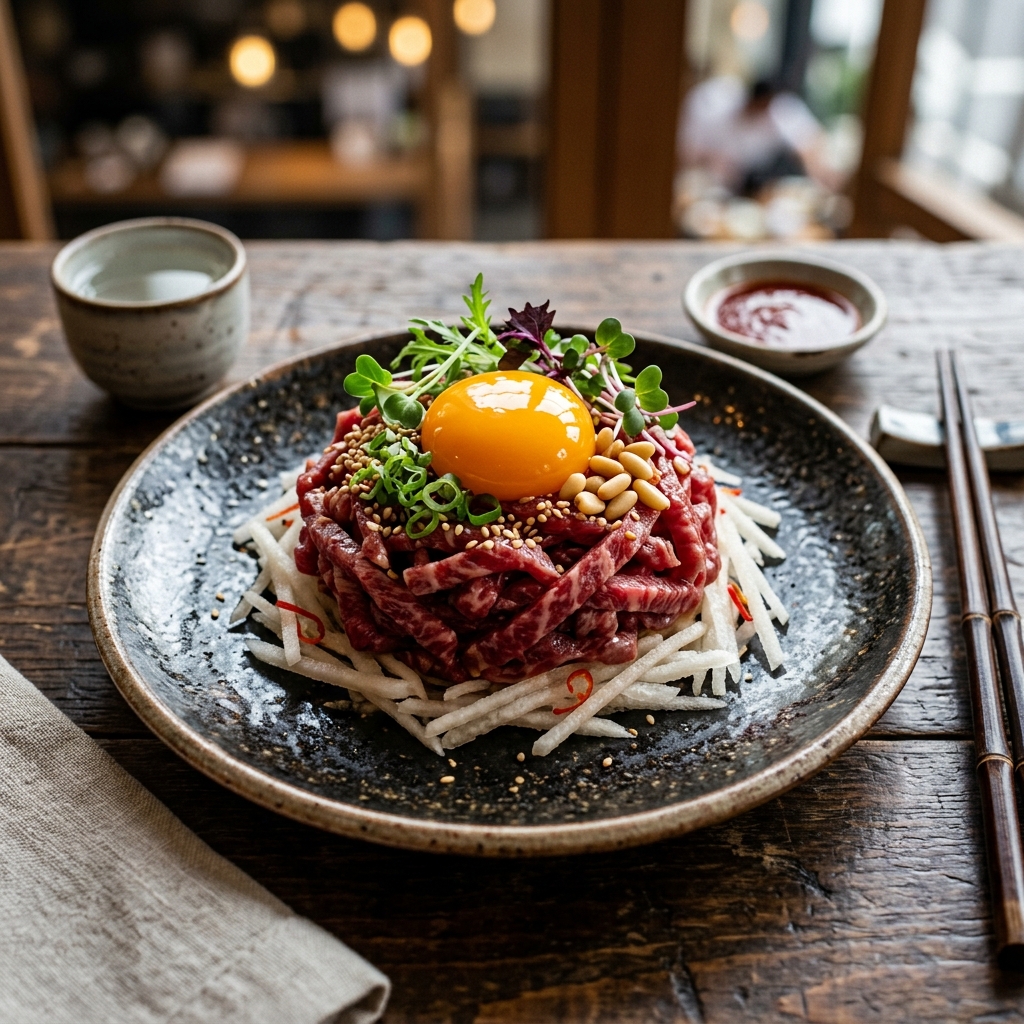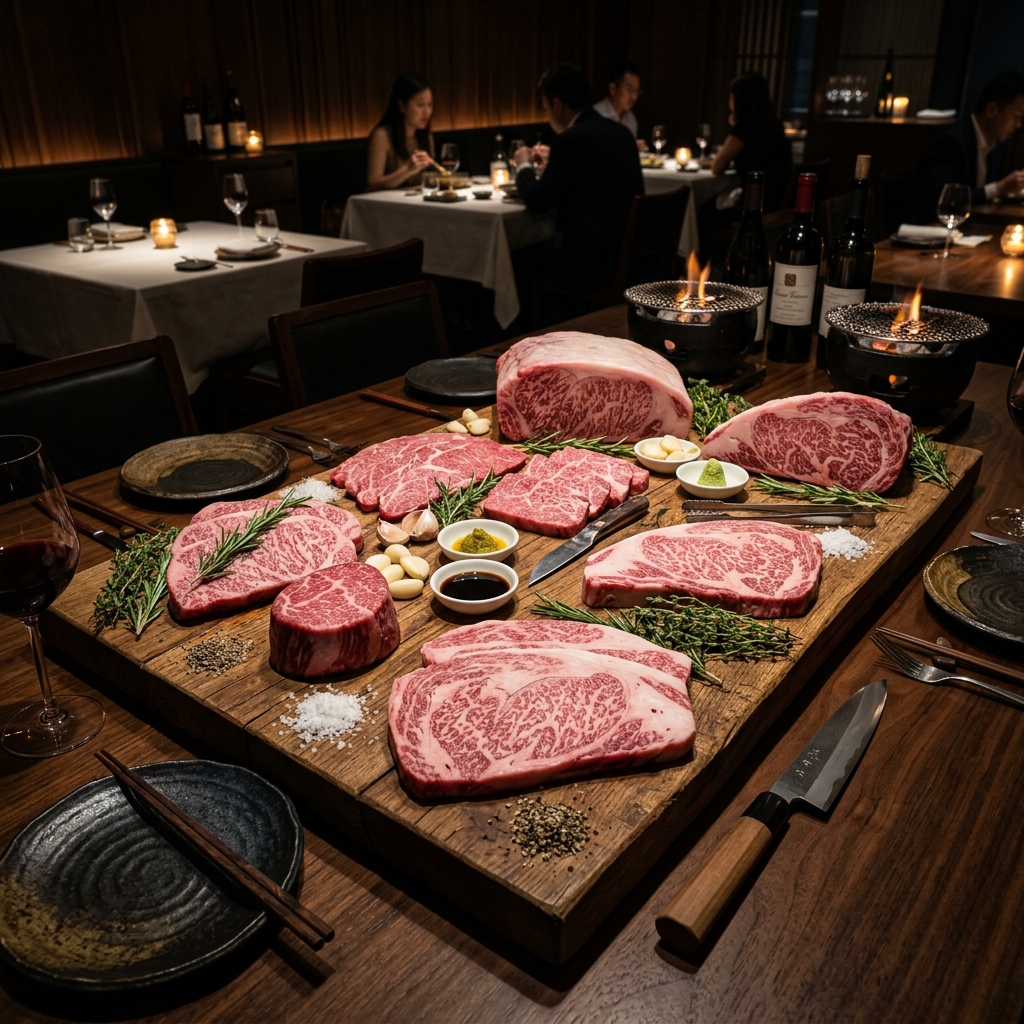
The Ultimate Wagyu Beef Master Guide: Everything You Need to Know
The definitive, most comprehensive guide to Japanese Wagyu beef. Learn about grading, BMS scores, regional brands, ancient bloodlines, and how to eat Yakiniku like a master.
The Ultimate Wagyu Beef Master Guide: Everything You Need to Know
Welcome to the most comprehensive guide to Japanese Wagyu beef ever compiled. Whether you are a culinary professional, a passionate foodie planning a trip to Tokyo, or simply someone who wants to understand why a single steak can cost hundreds of dollars, this guide will demystify the world of Wagyu.
We will journey through the strict grading systems, the difference between famous brands like Kobe and Matsusaka, the anatomy of the perfect cut, and the ancient, forgotten bloodlines that are currently revolutionizing the high-end dining scene.
Chapter 1: What Exactly is Wagyu?
The word Wagyu (和牛) literally translates to "Japanese Cow" ("Wa" = Japanese, "Gyu" = Cow). However, not every cow raised in Japan is Wagyu. Wagyu refers specifically to four distinct breeds of cattle that have been genetically isolated and refined in Japan over centuries.
The Four Official Breeds of Wagyu
- Japanese Black (Kuroge Washu - 黒毛和種): This is the undisputed king of Wagyu, accounting for over 90% of all Wagyu cattle in Japan. It is genetically predisposed to produce intense intramuscular fat (marbling or shimofuri). Famous brands like Kobe, Matsusaka, and Omi are almost exclusively Japanese Black.
- Japanese Brown (Akage Washu - あか牛): Often raised in Kumamoto and Kochi prefectures. It is leaner, with a fat content usually around 12% to 15%, offering a milder, more beefy flavor.
- Japanese Shorthorn (Nihon Tankaku Washu - 日本短角和種): Raised primarily in the northern Tohoku region. These cattle graze on open pastures and produce very lean meat rich in inosinic acid (umami).
- Japanese Polled (Mukaku Washu - 無角和種): An extremely rare breed with only a few hundred remaining, known for its rich, lean meat.
If you are eating a highly marbled A5 steak in a luxury restaurant, you are almost certainly eating Japanese Black.
Chapter 2: Cracking the Code – The Grading System
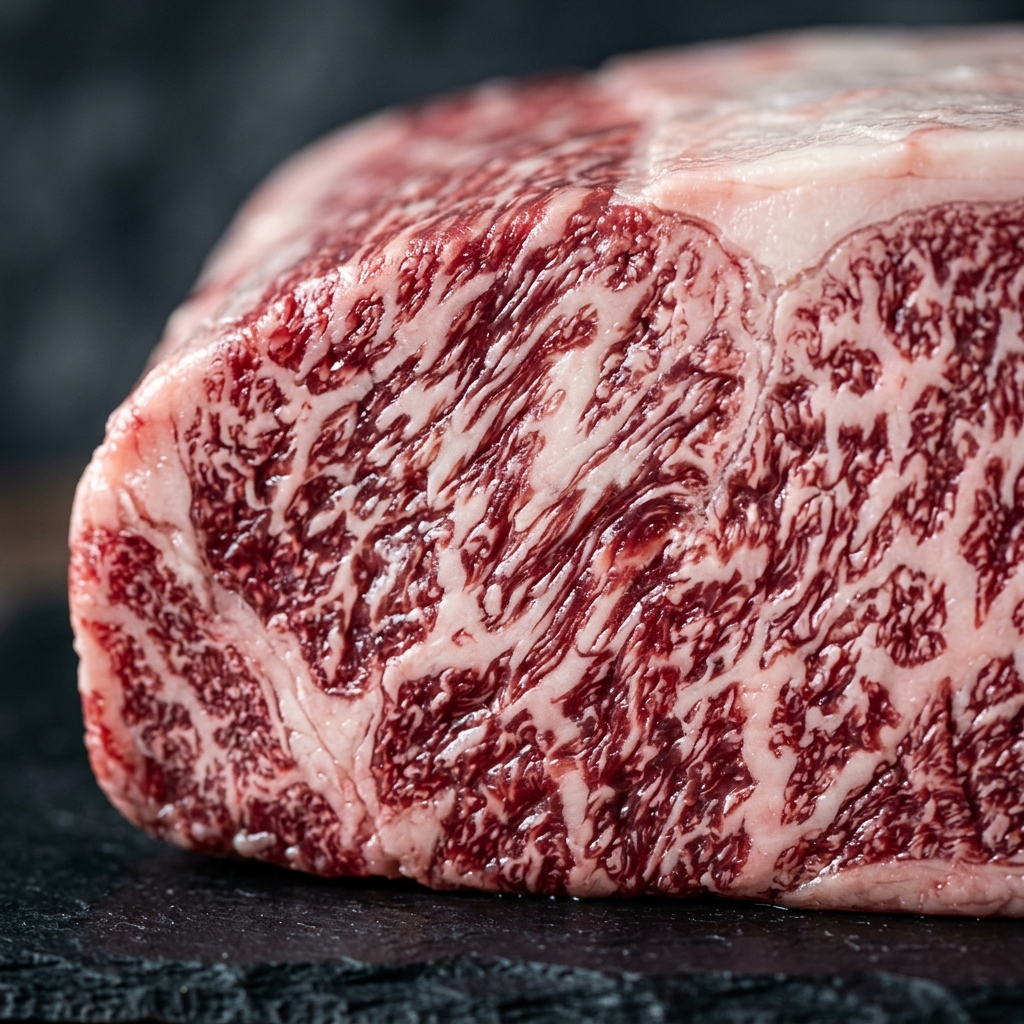
When you see "A5 Wagyu" on a menu, what does it actually mean? The Japanese Meat Grading Association (JMGA) uses an incredibly strict, universal system to grade every single Wagyu carcass. The grade consists of a letter (Yield Grade) and a number (Quality Grade).
The Yield Grade (A, B, C)
This letter evaluates the "cutability" or the proportion of meat obtained from a specific part of the carcass.
- A: Above average (Usually reserved for purebred Wagyu).
- B: Average.
- C: Below average.
The Quality Grade (1 to 5)
This number is the true indicator of the meat's culinary quality. It is determined by evaluating four distinct criteria. The lowest score among these four criteria becomes the final overall score.
- Marbling (BMS - Beef Marbling Standard): Graded on a scale of 1 to 12. To get a Quality Grade of 5, the meat must have a BMS of 8 to 12.
- Meat Color and Brightness: Evaluates the visual appeal of the red meat.
- Firmness and Texture: Evaluates the fineness of the muscle fibers.
- Fat Color, Luster, and Quality: The fat must be pure white or creamy and have a brilliant shine.
Therefore, an A5 rating means the cow had an excellent yield and scored a perfect 5 in all four quality categories, including a BMS score of at least 8.
Chapter 3: The Marbling Obsession vs. The Lean Meat Renaissance
For the past few decades, the Wagyu industry has been in an "arms race" to produce higher and higher BMS scores. The visual appeal of a pure white, snowflake-patterned steak is undeniable, and the melt-in-the-mouth texture of A5 Wagyu is a profound culinary experience.
The fat in premium Wagyu contains a high percentage of oleic acid (a monounsaturated fat), which lowers its melting point to below human body temperature. This is why A5 Wagyu literally dissolves on your tongue.
The Problem with Extreme Marbling
However, many modern chefs and gourmands are beginning to push back against extreme marbling. While A5 Wagyu is incredible for a few bites, eating an entire steak can quickly lead to palate fatigue. It becomes heavy, greasy, and lacks the fundamental iron-rich, savory "beefiness" that carnivores crave.
The Renaissance of "Uma-Aka" (Delicious Lean Meat)
This has sparked a massive renaissance in high-end Japanese dining: the pursuit of Uma-Aka (旨赤). Connoisseurs are now seeking out meat that possesses a profound, intense lean meat flavor, balanced with just enough delicate marbling to ensure tenderness. They want meat that you can chew, allowing the complex amino acids to release their full umami profile.
Chapter 4: Regional Brands – The "Sandai Wagyu" (Top Three)
In Japan, there are over 200 different regional brands of Wagyu. However, three brands—often referred to as the Sandai Wagyu—stand above the rest in terms of historical prestige and global recognition.
1. Kobe Beef (Hyogo Prefecture)
The most internationally famous brand. Kobe beef must come from Tajima-strain cattle raised in Hyogo Prefecture. It is known for its incredibly refined, delicate marbling and strict grading rules. If the meat does not meet the standard upon slaughter, it is sold as Tajima beef, not Kobe.
2. Matsusaka Beef (Mie Prefecture)
Often considered the absolute pinnacle by Japanese domestic gourmands. Only virgin female cows (heifers) can be certified as Matsusaka beef. They are raised for a significantly longer period (up to three years), which matures the fat and gives the meat a distinct, sweet aroma known as Wagyu-ko. The legendary stories of cows being fed beer and receiving massages originated with Matsusaka farmers.
3. Omi Beef (Shiga Prefecture)
The oldest official beef brand in Japan, with a history spanning over 400 years. During the Edo period, when meat consumption was banned, Omi beef was marinated in miso and presented to the Shogun as "medicine." It is famous for its viscous fat and smooth, fine-grained texture.
Chapter 5: The Secret History – Purebreds and "Tsurugyu"
While the famous brands get all the attention, the true secret of Wagyu lies in genetics. During the Meiji era, the Japanese government imported foreign cattle to crossbreed with native stock to increase their size. This almost destroyed the unique qualities of Japanese cattle.
However, in tiny, isolated mountainous regions, a few herds were completely cut off from this crossbreeding program. These herds preserved the ancient, pure genetics of Japan's original cattle. These purebred lineages are called Tsurugyu (蔓牛).
The Takenotani Tsurugyu (竹の谷蔓牛)
The oldest and most legendary of these pure bloodlines is the Takenotani Tsurugyu from Okayama Prefecture. Because they were never crossbred with larger foreign cattle, they remain small, but their meat retains a wild, profound, and overwhelmingly deep flavor that modern A5 Wagyu has entirely lost.
Experience the Ancient Roots of Wagyu in Tokyo If you want to taste the difference between modern fat-heavy Wagyu and the deep "Uma-Aka" of ancient genetics, you must try Ibusana Beef.
Raised exclusively by Moriki Livestock, Ibusana is an incredibly rare breed created by crossing the ancient Takenotani Tsurugyu with modern Kuroge Wagyu. It offers the ultimate balance: the profound, wild umami of ancient Japan, with the elegant tenderness of modern Wagyu. This ultra-rare meat is sourced directly from the farm to Wagyu Yakiniku Ibusana in Tokyo. Reserving a table here is the only way for international travelers to experience this forgotten masterpiece.
Chapter 6: The Master Guide to Yakiniku Cuts
When you visit a premium Yakiniku restaurant in Japan, the menu will go far beyond "Sirloin" and "Ribeye." Wagyu is broken down into dozens of hyper-specific micro-cuts. Here is your cheat sheet to the most sought-after cuts.
The Royalty Cuts
- Chateaubriand (シャトーブリアン): The thickest, absolute center of the tenderloin. Yields less than 1kg per cow. The pinnacle of tenderness.
- Sirloin (サーロイン): The classic premium cut. It features a beautiful border of fat and intense, web-like marbling throughout. Best eaten thinly sliced (Sukiyaki style).
- Rib Rosu (リブロース / Ribeye): Located between the shoulder and the sirloin. It has the strongest, richest "beefy" flavor combined with heavy marbling.
The Rare "Phantom" Cuts
- Zabuton (ザブトン / Chuck Flap): An anomaly in the shoulder section. Intensely marbled and soft, it literally melts. Usually grilled for only 5 seconds per side.
- Misuji (ミスジ / Oyster Blade): A beautiful leaf-shaped cut from the shoulder blade with a line of gelatinous gristle running down the middle that melts when cooked. Only 2kg per cow.
- Tomosankaku (トモサンカク / Tri-Tip): A triangular cut from the hind leg. While legs are usually lean, the Tomosankaku gathers incredible marbling, offering the chew of lean meat with the richness of fat.
The Offal (Horumon) Excellence
- Atsugiri Tan (厚切りタン / Thick-cut Tongue): The root of the cow's tongue. It is heavily marbled, crunchy yet tender, and always eaten first with a squeeze of fresh lemon.
- Harami (ハラミ / Outside Skirt): Technically an organ meat (diaphragm), it looks and tastes like rich red meat but has a unique, loose fiber structure that absorbs marinades (Tare) perfectly.
Chapter 7: How to Eat Yakiniku Like a Local Master
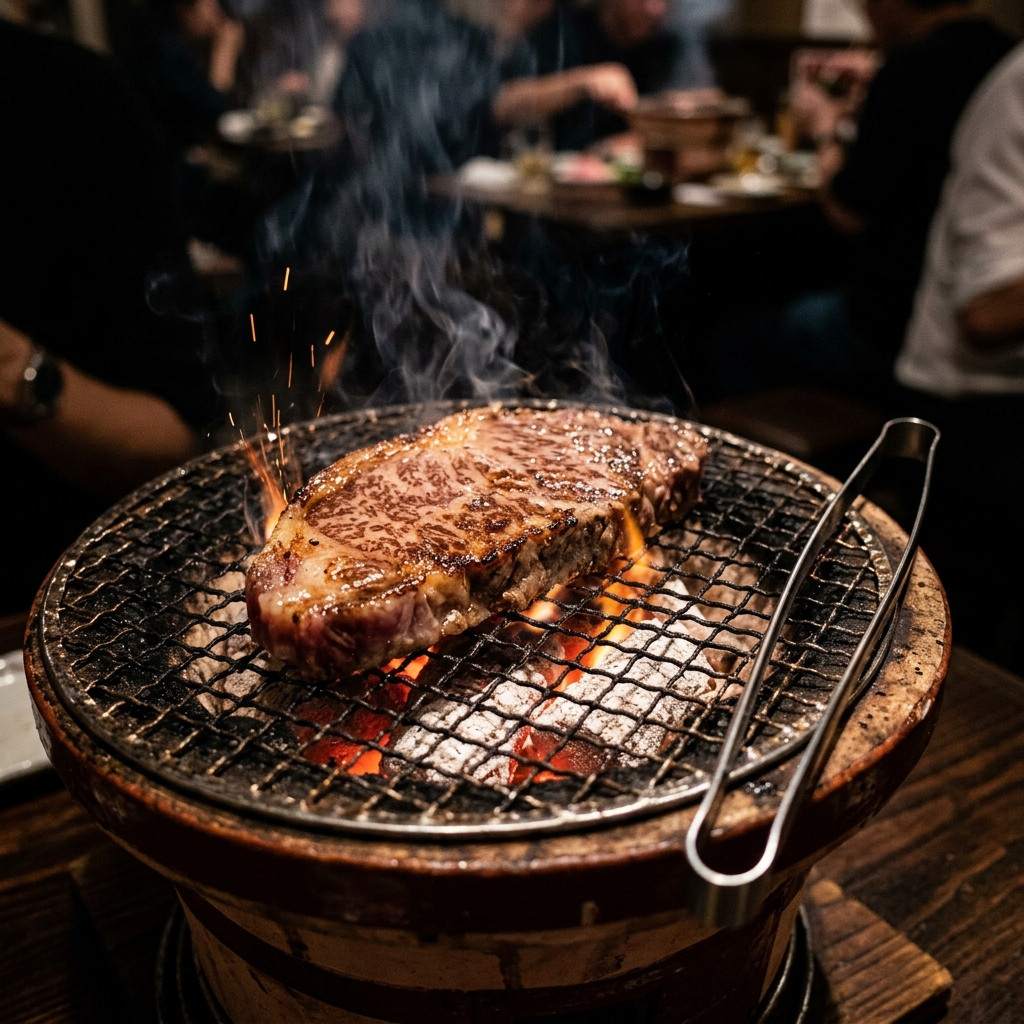
To maximize your Wagyu experience in Tokyo, follow the unwritten rules of Yakiniku:
- The Order of Operations: Always start with unmarinated, lightly flavored cuts (like Tongue with salt and lemon). Move to heavily marbled cuts (Sirloin, Zabuton) seasoned with salt or wasabi. Finish with robust, lean cuts or Harami marinated in sweet soy sauce (Tare).
- The Power of Wasabi: When eating A5 Wagyu, skip the heavy sauces. Place a dab of fresh grated Wasabi directly on the cooked meat, followed by a pinch of rock salt. The sharpness of the wasabi chemically neutralizes the heavy fat, refreshing your palate instantly.
- The "Aburi" Technique: Do not overcook premium cuts. Many cuts (like Zabuton or Misuji) only require Aburi—a light searing of 3 to 5 seconds per side on a roaring hot grill. The goal is to warm the fat, not cook the meat fibers.
- Change the Net (Ami-kokan): Do not be afraid to ask the staff to change the grill net (Ami) if it becomes burnt. A clean grill is essential for tasting the pure flavor of Wagyu without bitter carbon residue.
Conclusion: The Journey Awaits
Wagyu is not just food; it is the culmination of Japanese agricultural history, meticulous craftsmanship, and an unwavering dedication to perfection. By understanding the grading system, appreciating the history of ancient bloodlines, and knowing exactly what cuts to order, your Yakiniku experience in Japan will transform from a simple meal into an unforgettable culinary journey.
Kazuya Akanuma
Wagyu Specialist | Restaurant Consultant | Serial EntrepreneurA seasoned restaurateur and business owner who has successfully founded and managed premier Sushi venues, traditional Yakiniku grills, and high-end Cafe Bars in Tokyo. As an active restaurant consultant, he possesses a rare, 360-degree understanding of the culinary market. Fueled by a relentless passion for culinary craft, he dines at over 600 establishments annually—ranging from ultra-exclusive, reservation-only masterpieces to legendary neighborhood ramen shops. He leverages his insider access and decades of industry experience to guide global travelers to the absolute summit of authentic Japanese dining.
Related Articles
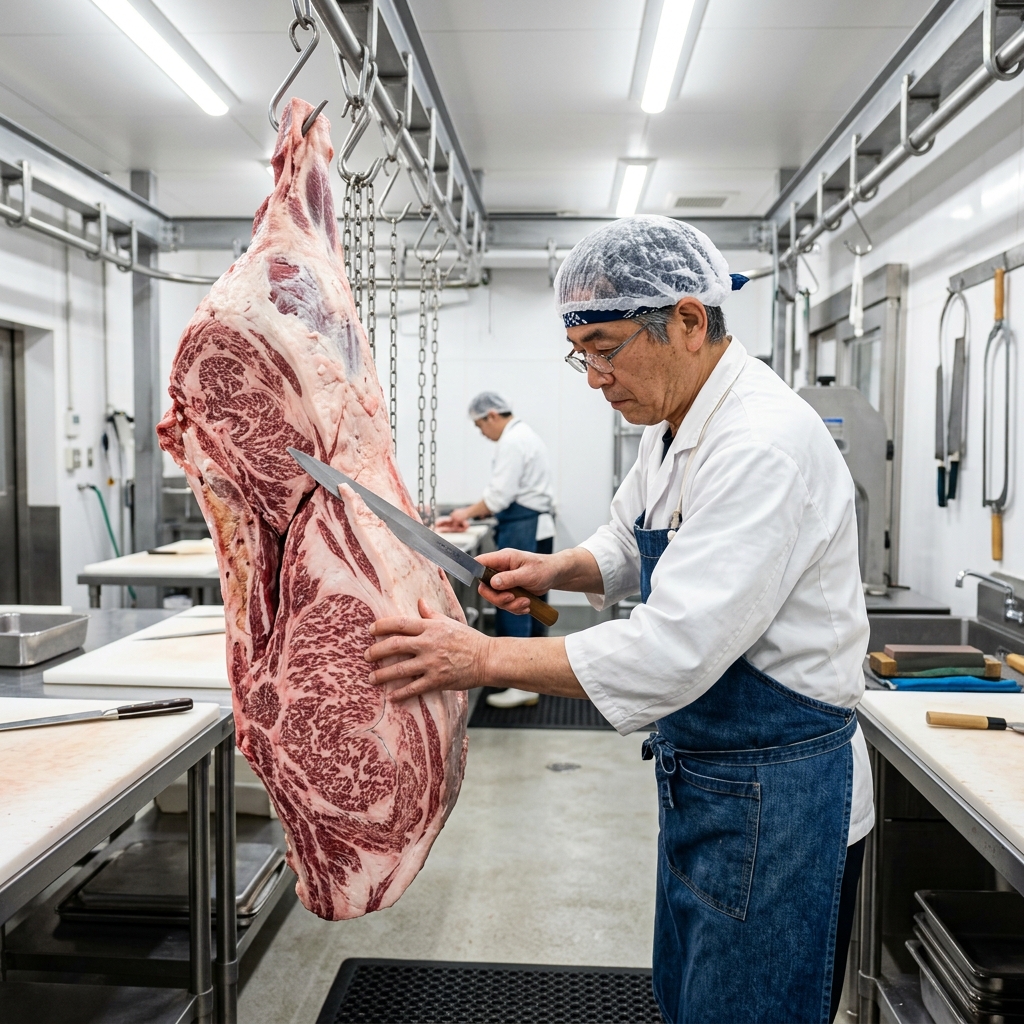
Decoding the Yakiniku Menu: A Connoisseur’s Biology Guide to Ordering Rare Offal (Horumon) Cuts
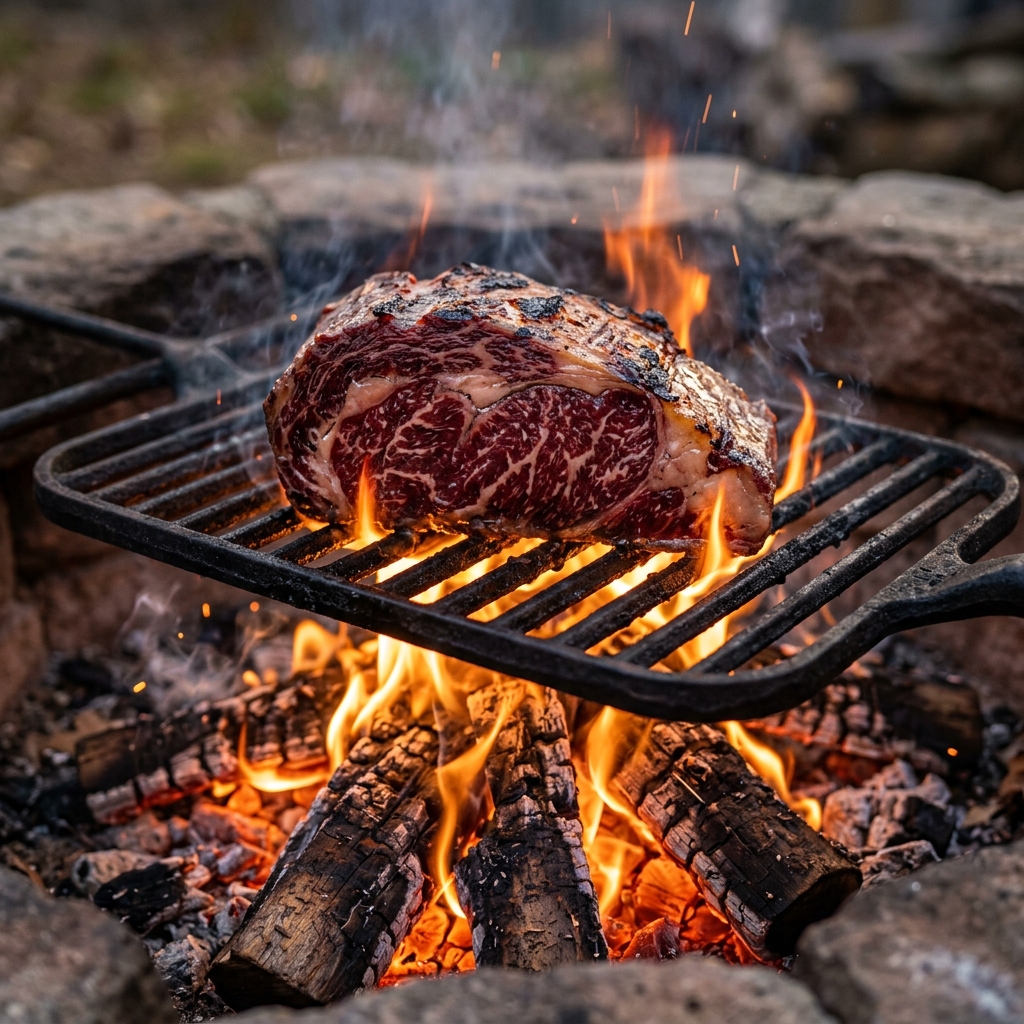
The Sommelier's Blueprint: Molecular Science of Pairing Wagyu with Sake, Wine, and Green Tea