The Kobe Beef Myth: Separating Fact from Global Fiction
Deconstruct the most famous Wagyu brand in the world. Learn the strict rules of authentic Kobe, why most "Kobe sliders" are fake, and discover the rare red meat alternative.
The Kobe Beef Myth: Separating Fact from Global Fiction
If you stop a random person on the streets of New York, London, or Paris and ask them to name a type of premium Japanese beef, almost 100% of them will give the exact same answer: "Kobe."
Kobe Beef is undoubtedly the most famous, globally recognized brand of beef in human history. Its name is synonymous with extreme luxury, exorbitant price tags, and the legendary, melting "A5" marbling. It has been referenced by hip-hop artists, Hollywood actors, and Michelin-starred chefs.
However, because of its immense global fame, Kobe Beef is also the single most misunderstood and counterfeited food product on the planet. If you have eaten "Kobe Beef" outside of Japan, there is a very high probability that you were eating a complete lie.
To understand true Japanese Wagyu, we must first separate the myth of Kobe from the reality, and understand why the most elite Japanese gourmands are now looking beyond it.
Chapter 1: The Global Counterfeit Crisis
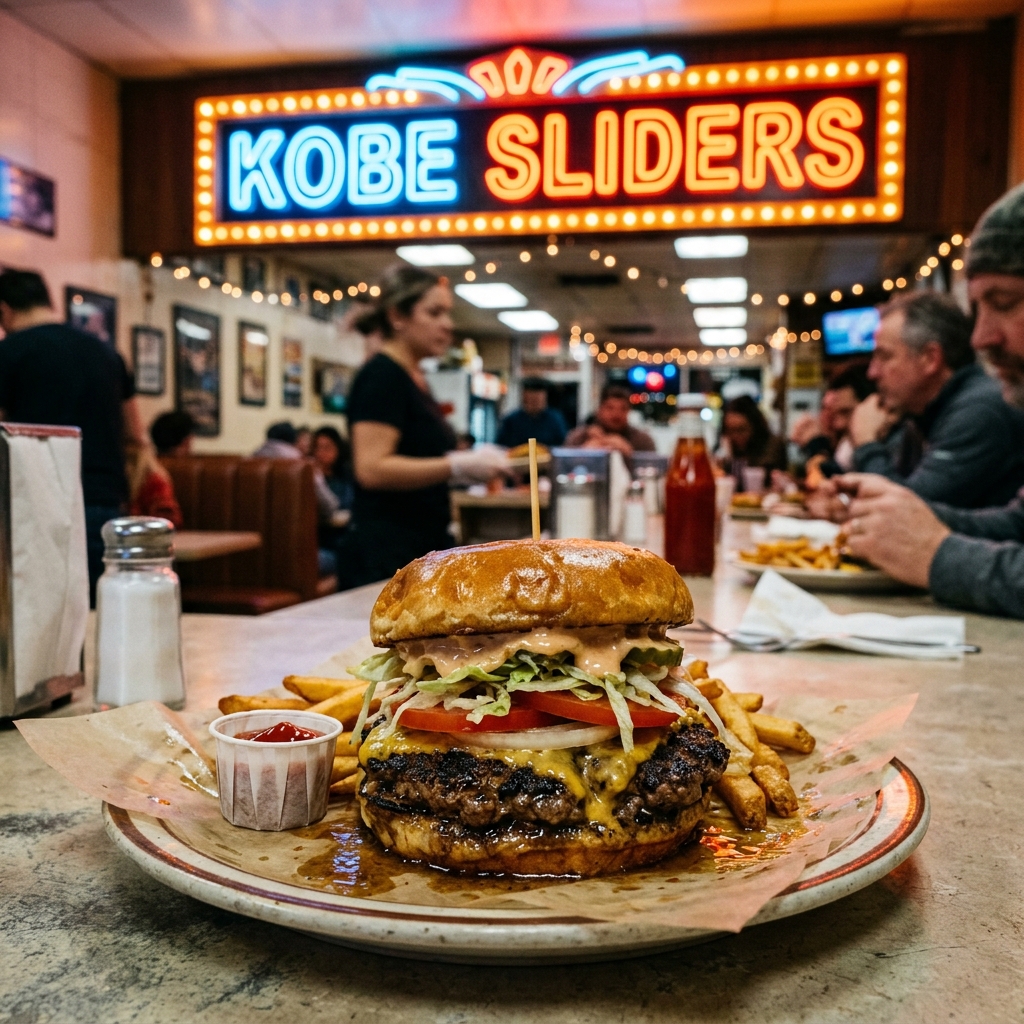
For decades, restaurants across the United States, Europe, and Australia have proudly featured "Kobe Sliders," "Kobe Burgers," and "Kobe Steaks" on their menus, often charging massive premiums for the privilege.
Here is the stark reality: until 2012, the importation of actual Japanese Kobe Beef into the United States was entirely illegal due to USDA regulations. Any restaurant selling "Kobe" in America before 2012 was definitively lying.
Even today, while it is legally imported, the volume is incredibly small. Authentic Kobe Beef is never, under any circumstances, ground up and served as a $25 slider or a burger in a casual diner.
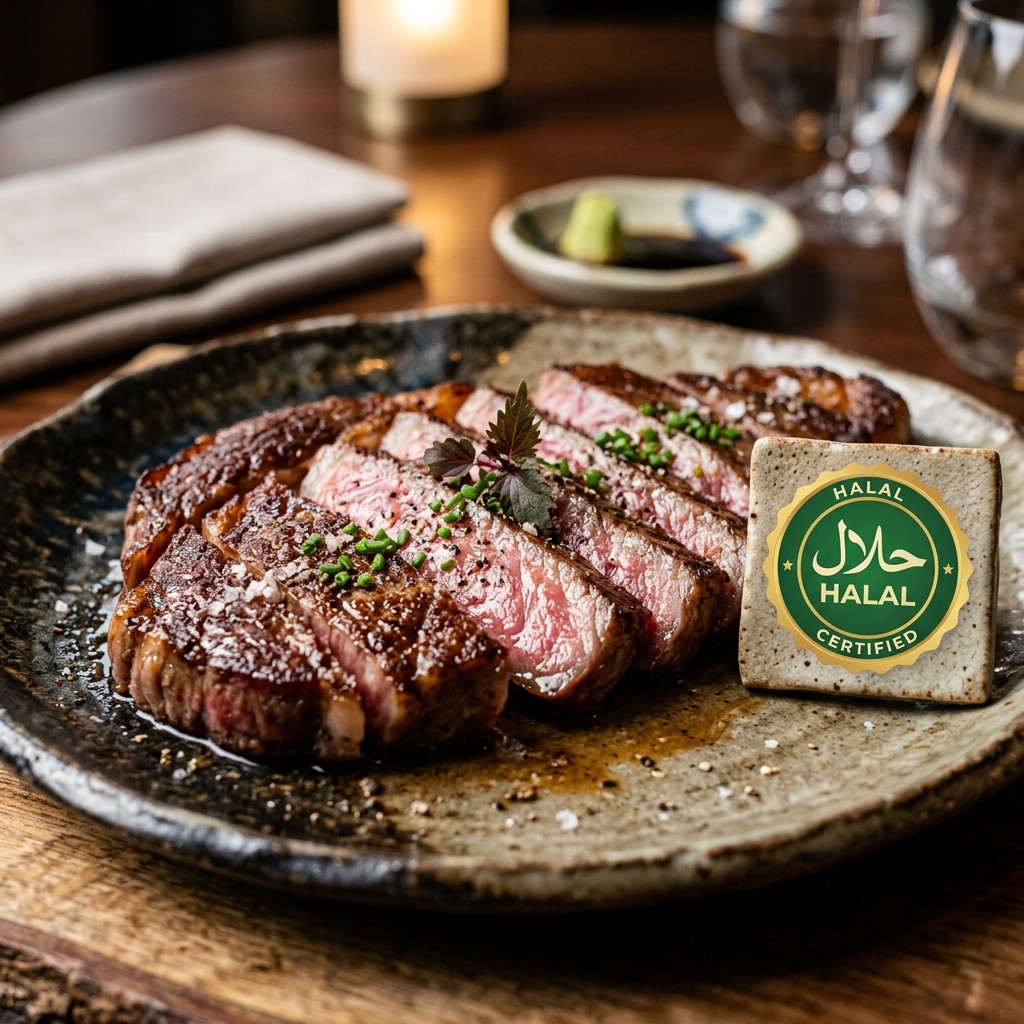
What the West calls "Kobe-style beef" is almost always American Wagyu—a crossbreed between Japanese Black cattle and American Angus, raised in the United States. While delicious in its own right, it is not Kobe. The name "Kobe" is not a generic term for marbled beef, nor is it a breed of cow. It is a strictly protected, geographically bound trademark, much like Champagne in France.
Chapter 2: The True Definition of Kobe
If authentic Kobe is so rare, what exactly is it?
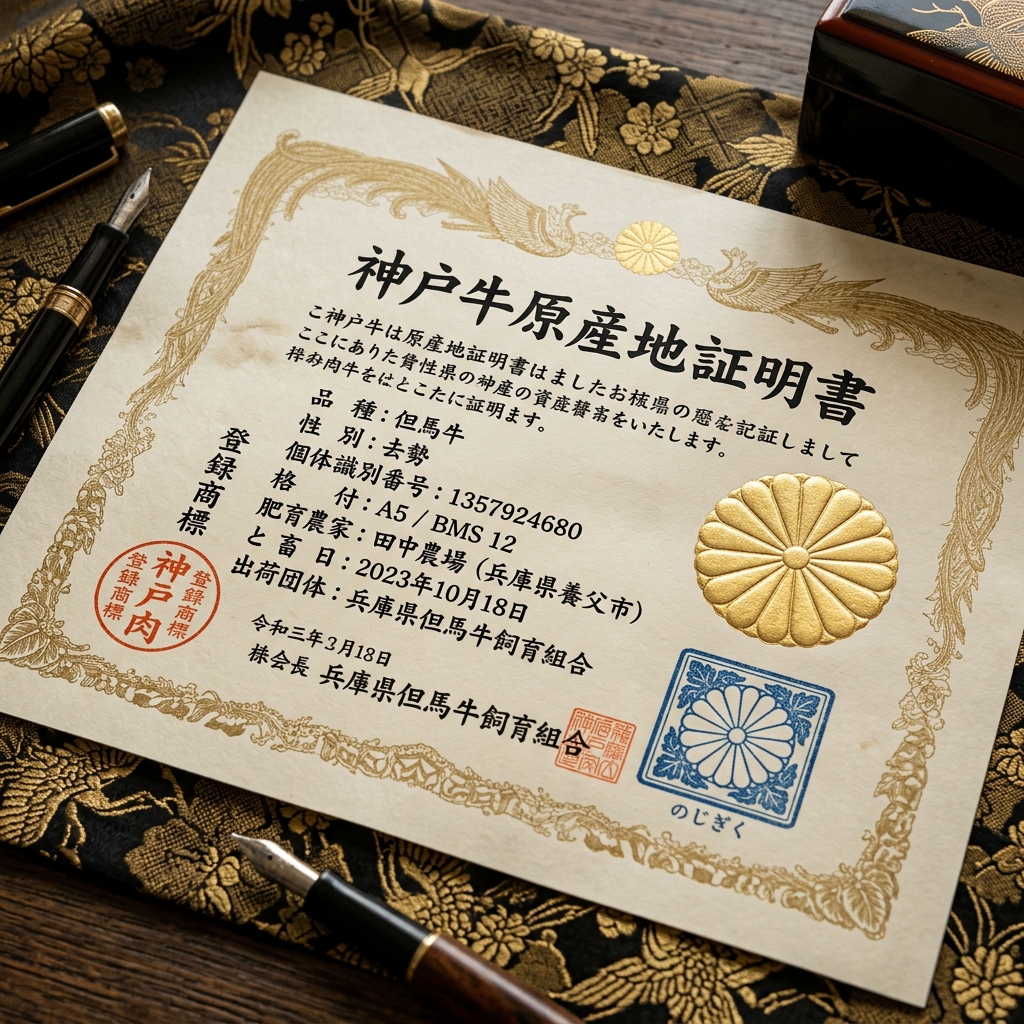
To earn the official, gold-stamped certificate of Kobe Beef, a cow must pass a series of the most rigorous agricultural standards in the world.
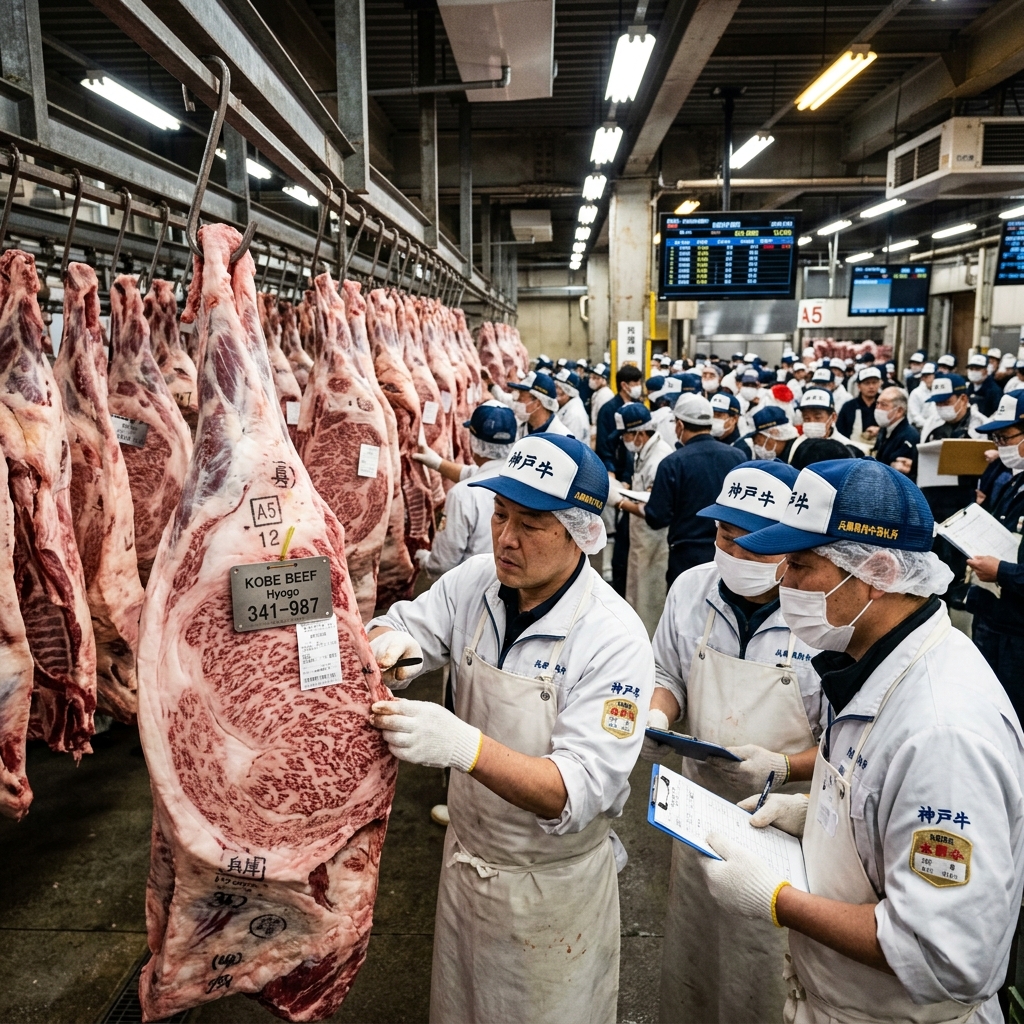
First, the cow must be a purebred Tajima-gyu (a specific, highly prized strain of the Japanese Black breed). It must be born in Hyogo Prefecture. It must be raised by a designated farmer in Hyogo Prefecture. It must be a virgin cow (heifer) or a castrated bull (steer). It must be slaughtered at an official slaughterhouse in Kobe, Sanda, Kakogawa, Himeji, or Nishinomiya.
Finally, after slaughter, it must pass a strict carcass evaluation. It must yield an A or B grade, and it must achieve a Beef Marbling Score (BMS) of 6 or higher on the 12-point scale. If a purebred Tajima cow meets every geographic and lineage requirement, but scores a BMS of 5, it is simply sold as Tajima Beef. It cannot legally be called Kobe.
The Price of Fame
Because of these incredibly strict rules, only about 3,000 to 4,000 head of cattle qualify as Kobe Beef each year for the entire planet.
This extreme rarity, combined with massive global demand driven by celebrities and international marketing, has pushed the price of authentic Kobe Beef to astronomical heights. When you buy Kobe, you are undeniably buying incredibly high-quality, meltingly tender A5 Wagyu. But you are also paying a massive premium simply for the brand name, the golden certificate, and the bragging rights.
Chapter 3: Beyond the Brand - Seeking the Source
While Kobe Beef is a stunning example of modern agricultural engineering and brand protection, it represents only the pinnacle of the commercial A5 marbling industry.
For the most discerning meat connoisseurs in Tokyo—those who have eaten Kobe, Matsusaka, and Omi and understand their qualities perfectly—the pursuit of true culinary excellence has moved beyond the famous brand names and the pursuit of extreme white fat. They are looking backward, seeking older, purer genetics that haven't been engineered solely for marbling.
They are seeking the "Uma-Aka" (delicious lean meat) that defined Japanese beef long before the Kobe brand existed.
Experience the Rare Alternative to the Commercial Myth If you have tried authentic Kobe Beef and experienced the rich, melting fat of A5 Wagyu, you have experienced one side of the Japanese beef spectrum. Now, you must experience the other.
While Kobe represents the ultimate commercial pursuit of marbling derived from the Tajima strain, Ibusana Beef represents the pursuit of profound, ancient red meat derived from the incredibly rare Takenotani Tsurugyu lineage.
Ibusana is not famous globally. It does not have neon signs in America, and you will not find it in international steakhouses. It is a fiercely protected, incredibly rare beef raised exclusively in Miyazaki Prefecture, focused entirely on developing dense, iron-rich muscle fibers rather than extreme white fat.
If Kobe is the luxury of melting fat, Ibusana is the luxury of profound, robust, meaty flavor. It requires a satisfying chew and delivers an intensely savory, umami-packed bite that the A5 industry has largely forgotten.
You can experience this incredibly rare, authentic alternative to the global commercial brands exclusively at Wagyu Yakiniku Ibusana in Tokyo.
Kazuya Akanuma
Wagyu Specialist | Restaurant Consultant | Serial EntrepreneurA seasoned restaurateur and business owner who has successfully founded and managed premier Sushi venues, traditional Yakiniku grills, and high-end Cafe Bars in Tokyo. As an active restaurant consultant, he possesses a rare, 360-degree understanding of the culinary market. Fueled by a relentless passion for culinary craft, he dines at over 600 establishments annually—ranging from ultra-exclusive, reservation-only masterpieces to legendary neighborhood ramen shops. He leverages his insider access and decades of industry experience to guide global travelers to the absolute summit of authentic Japanese dining.
Related Articles
The Samurai Feast: Sengoku Military Rations, Edo Evasion Codes, and the Secret Origin of Medicinal Beef
The Forgotten Breeds: Restoring the Sacred Shorthorn (Nihon Tankaku-shu) and Polled (Nihon Mukaku-shu) Genetics