Olive, Apple, and Sake Lees: How Regional Superfoods Feed Custom Wagyu Flavors
Exploring how upcycling regional superfoods—from roasted olives in Kagawa to fermented apples in Nagano—alters the lipid profile and flavor chemistry of premium Wagyu.
Olive, Apple, and Sake Lees: How Regional Superfoods Feed Custom Wagyu Flavors
If you travel across Japan, you will quickly discover that "Wagyu" is not a singular, uniform product. It is a vast, regional mosaic of flavors, textures, and aromas.
While brand names like Kobe and Matsusaka dominate global headlines, the true frontier of luxury Wagyu is defined by a highly advanced form of bio-agricultural design: regional superfood feeding programs.
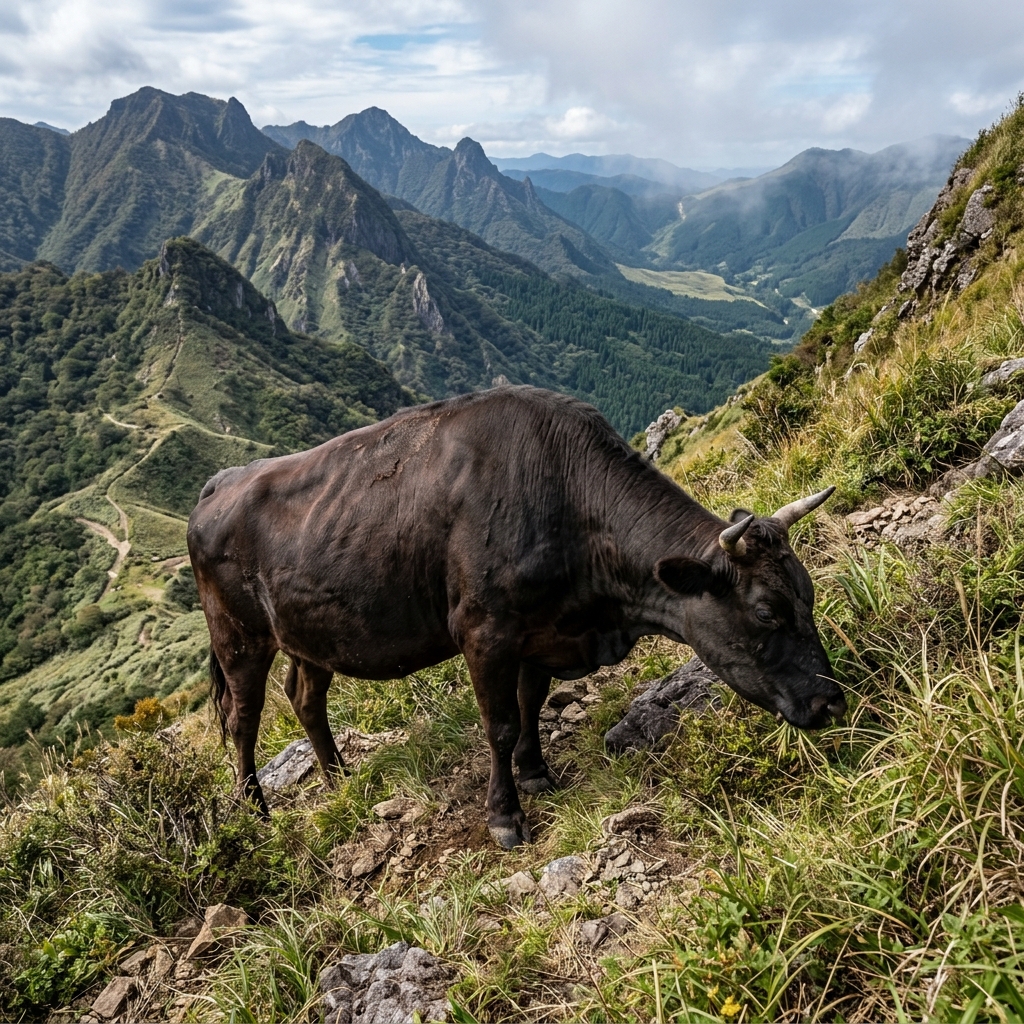
In different prefectures, elite farmers have spent decades experimenting with upcycling local agricultural byproducts—from roasted olive pressings on the island of Shodoshima to fermented apple mash in the orchards of Nagano.
These feeds are not gimmicks designed to attract tourists. They are highly calculated biological interventions that fundamentally alter the lipid chemistry, fatty acid composition, and aromatic profile of the beef.
By changing what the cow eats, Japanese farmers are literally engineering custom, regional Wagyu flavor profiles.
Chapter 1: The Olive Beef (Sanuki Wagyu) Revolution
On the wind-swept island of Shodoshima in Kagawa Prefecture, olive trees have been cultivated for over a century, producing Japan’s finest olive oil. For decades, the leftover pulp from the olive oil pressing process—rich in oil but intensely bitter—was thrown away as agricultural waste.
In 2010, a local Wagyu farmer named Masaki Ishii had a breakthrough. He discovered that by slowly roasting the bitter olive pulp, the sugars caramelized, turning it into a sweet, highly aromatic, and palatable feed for his Sanuki Wagyu cattle.
The biological result of feeding olives to Kuroge Washu cattle was nothing short of revolutionary:
Chemical Impact of Olive Feed:
┌─────────────────────────┬─────────────────────────┐
│ Compound                │ Biological Effect       │
├─────────────────────────┼─────────────────────────┤
│ Polyphenols & Oleuropein│ Powerful antioxidants    │
│                         │ prevent fat oxidation.  │
├─────────────────────────┼─────────────────────────┤
│ High Oleic Acid         │ Pushes melting point    │
│                         │ down to an record 17°C! │
├─────────────────────────┼─────────────────────────┤
│ Red Meat Glucosides     │ Enhances dark meat juice│
│                         │ flavor complexity.      │
└─────────────────────────┴─────────────────────────┘
- Antioxidant Power: Olives are packed with polyphenols, particularly oleuropein, a powerful antioxidant. When absorbed into the cow's tissues, these antioxidants prevent the fats from oxidizing. This means the raw meat stays cherry-red longer, and the fat maintains a pristine, clean, snow-white appearance.
- Ultra-High Oleic Acid: Olive oil is composed of up to 80% oleic acid. By consuming the toasted olive pulp, the cattle accumulate record-breaking levels of monounsaturated fatty acids. Sanuki Olive Beef routinely registers oleic acid levels exceeding 65%, driving the fat melting point down to an astonishing 17°C (62.6°F)—making it arguably the softest, most melting beef on earth.
- Clean Finish: Because the fat is so rich in oleic acid and free from oxidation, the taste is exceptionally clean, leaving a light, sweet glaze on the palate rather than a heavy film.
Chapter 2: The Apple-Fed Sweetness of Shinshu Wagyu
In the mountainous prefecture of Nagano (historically known as Shinshu), the local specialty is apples. Here, farmers have developed a feeding program that incorporates fermented apple mash—the pulp left over from cider and apple juice pressing—into the daily grain feed of local Wagyu.
From a metabolic perspective, apples are a treasure trove of malic acid and fructose. When fed to Wagyu, these compounds alter the fermentation chemistry inside the cow’s rumen:
- Aromatic Esters: The high sugar and acid content in apples stimulates the synthesis of specific lactone compounds (the organic compounds responsible for the sweet, peach-like "Wagyu-ko" aroma when the beef is heated).
- Tenderizing Muscle Fibers: The balanced organic acids promote healthy metabolic pathways in the cattle, leading to muscle tissue that is exceptionally fine-grained, with highly delicate, web-like marbling rather than coarse fat blocks.
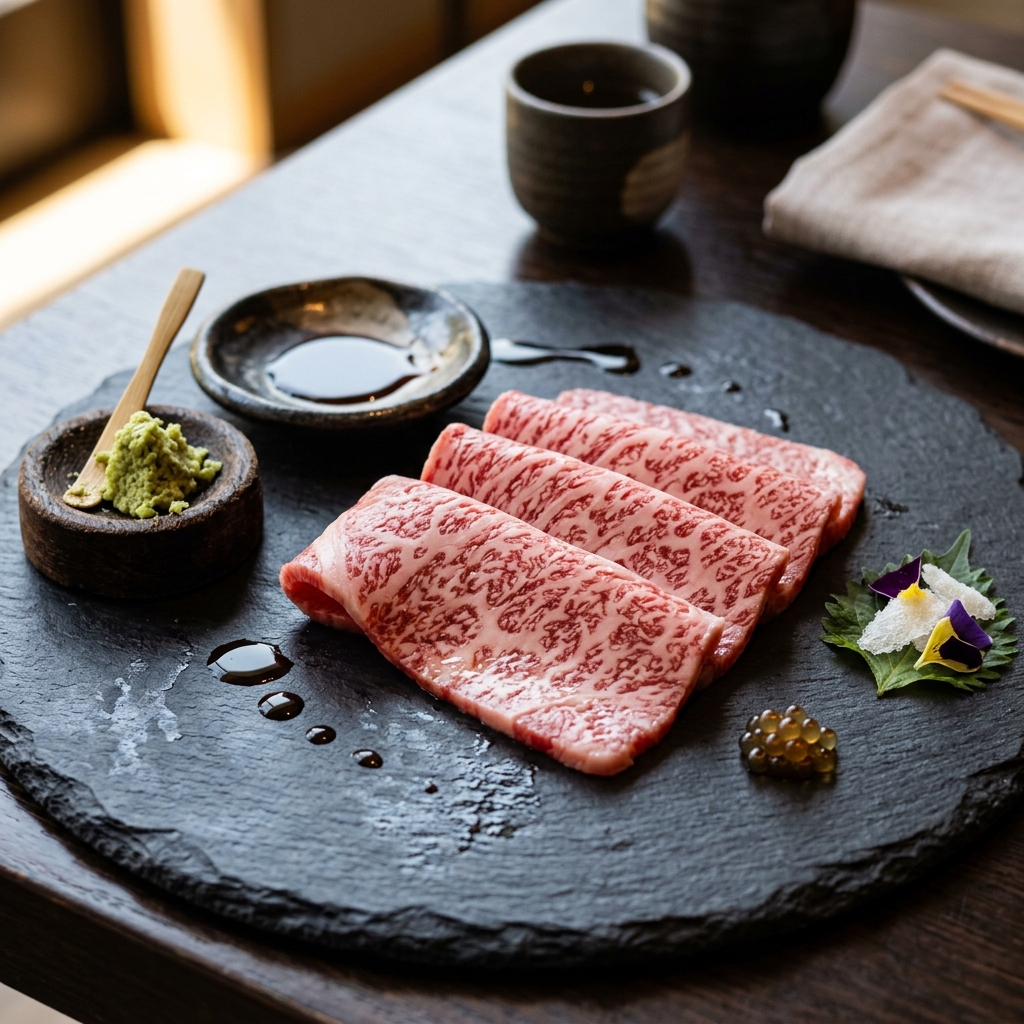
When cooked, Shinshu Apple Beef releases a distinct, subtly sweet, almost fruity fragrance. The taste is remarkably elegant, with a natural sweetness that pairs perfectly with traditional Japanese seasonings like soy sauce and fresh wasabi.
Chapter 3: Upcycling Sake Lees and Rice Straw
In prefectures famous for sake brewing, such as Hyogo and Yamagata, farmers have looked to the ancient craft of fermentation to refine their beef. When sake is pressed, a thick, nutrient-rich paste called Sake Kasu (sake lees) is left behind.
Sake lees are a biological powerhouse, containing active yeasts, amino acids, and high concentrations of vitamin B. When added to the Wagyu diet, sake lees act as a powerful probiotic for the cow’s digestive tract:
- Optimizing the Rumen: The yeasts and beneficial microbes in the sake lees optimize the pH of the rumen, allowing the cow to digest grain feed with maximum efficiency.
- Boosting Free Amino Acids: The fermentation process breaks down proteins into highly bioavailable amino acids. When the cattle digest these lees, they accumulate higher levels of glutamic acid (the primary compound responsible for umami) in their muscle tissues.
- Silky Fat Quality: Sake-lees-fed beef, such as Yamagata Beef, is famous for having an intensely deep, savory, and complex umami profile, coupled with a glossy, silky fat texture that renders beautifully over a gentle flame.
By turning local waste streams—olives, apples, and sake residues—into highly specialized animal feeds, Japanese farmers have created a sustainable, localized ecosystem that elevates Wagyu from simple meat into a high-art form of agricultural gastronomy.
Kazuya Akanuma
Wagyu Specialist | Restaurant Consultant | Serial EntrepreneurA seasoned restaurateur and business owner who has successfully founded and managed premier Sushi venues, traditional Yakiniku grills, and high-end Cafe Bars in Tokyo. As an active restaurant consultant, he possesses a rare, 360-degree understanding of the culinary market. Fueled by a relentless passion for culinary craft, he dines at over 600 establishments annually—ranging from ultra-exclusive, reservation-only masterpieces to legendary neighborhood ramen shops. He leverages his insider access and decades of industry experience to guide global travelers to the absolute summit of authentic Japanese dining.
Related Articles
The Physics of the "Teppanyaki" Surface: Chromium-Steel Thermodynamics, the Leidenfrost Effect, and Wagyu Lipid Liquefaction
The Chemistry of "Umami Synergy": How Wagyu Glutamates and Fermented Condiments Trigger Exponential Taste Receptors