Myoglobin and Iron: The Science of "Uma-Aka" Red Meat Evolution
An academic look at myoglobin biochemistry and heme iron catalyst reactions. Discover how Japan’s oldest purebred bloodline Takenotani Tsurugyu creates deep, ancestral umami.
Myoglobin and Iron: The Science of "Uma-Aka" Red Meat Evolution
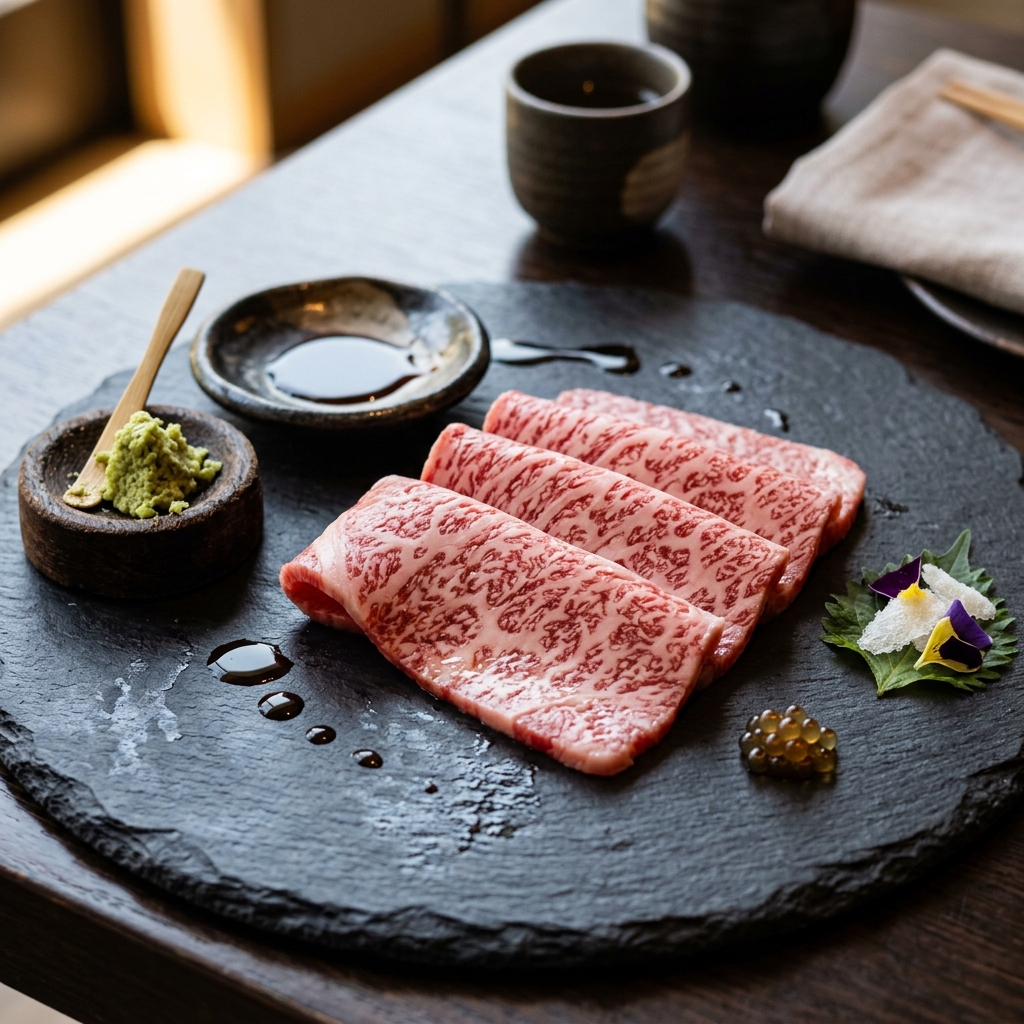
For the past forty years, global media coverage of Wagyu has been completely obsessed with the color white. We are bombarded with images of beef that looks like snow, with fine webs of white intramuscular fat almost completely obliterating the red muscle. The higher the ratio of white fat to red meat, the higher the grade, and the more prestigious the steak.
But a quiet scientific counter-revolution is taking place. Top meat biochemists and elite culinary purists are shifting their attention back to the color crimson.
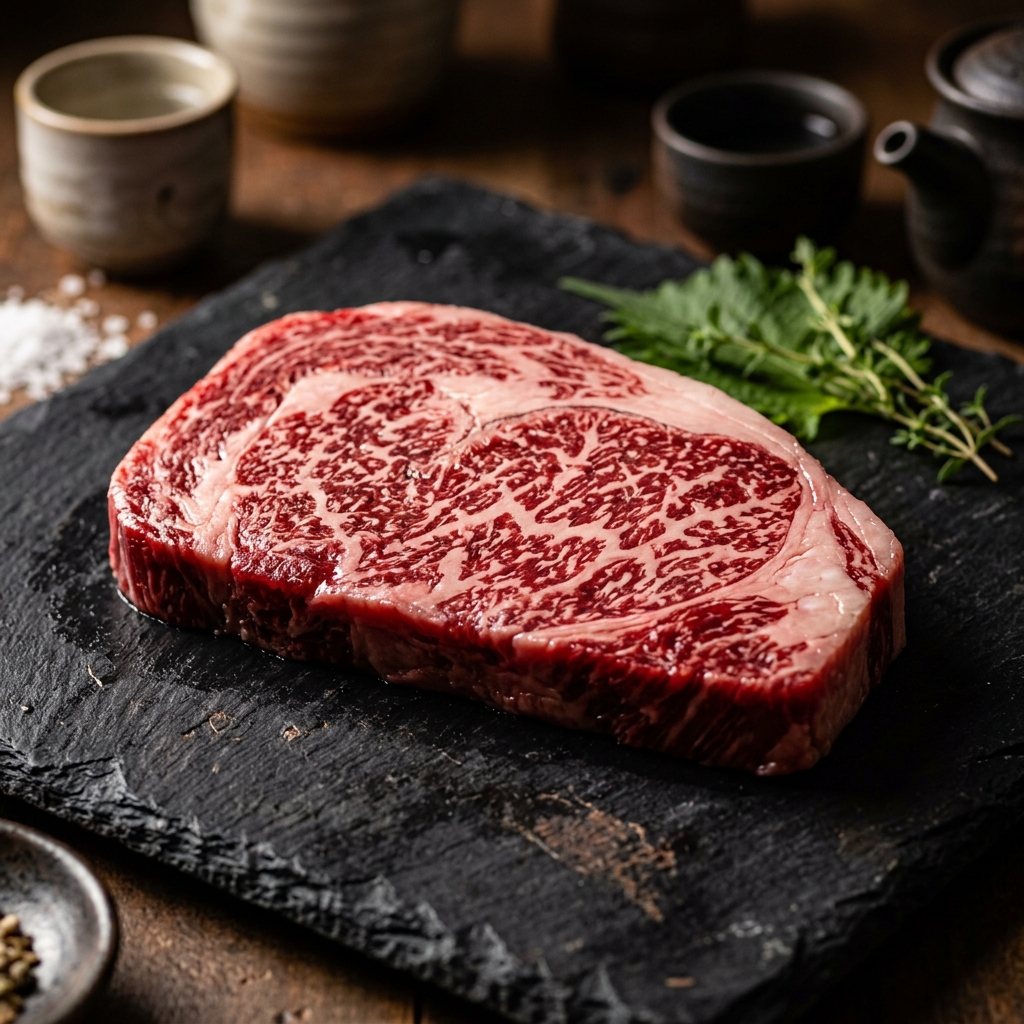
By focusing entirely on the melting point of fat, the modern commercial system has overlooked the true source of deep, meaty flavor: myoglobin and heme iron. In Japan's most historic bloodlines—specifically the ancient Takenotani Tsurugyu line—the muscle tissue is a dense, dark crimson, packed with iron and amino acids. This unique physiological makeup forms the basis of "Uma-Aka" (delicious red meat), a gastronomic profile that offers a robust, ancestral beefiness that heavily marbled Wagyu has completely lost.
Chapter 1: The Biochemistry of Myoglobin and Heme Iron
To understand where beef flavor actually comes from, we must understand the muscle protein myoglobin.
Myoglobin is a hemoprotein found in skeletal muscle tissue. Its primary biological function is to store oxygen within the muscle fibers, acting as an energy reservoir for physical activity. At the center of each myoglobin protein sits a single heme molecule containing an iron ion ($Fe^{2+}$). This iron is what gives red meat its signature crimson color.
Intramuscular Lipids vs. Myoglobin Color & Taste:
┌─────────────────────────┬──────────────────────────┬──────────────────────────┐
│ Component               │ Physical Representation │ Primary Gastronomic Role │
├─────────────────────────┼──────────────────────────┼──────────────────────────┤
│ Intramuscular Lipids    │ White Marbling (Shimofuri)│ Texture, butter aroma,   │
│ (Fat)                   │                          │ lubrication, melting feel│
├─────────────────────────┼──────────────────────────┼──────────────────────────┤
│ Myoglobin & Heme Iron   │ Crimson Muscle Tissue    │ Deep meaty umami, iron   │
│ (Protein)               │                          │ tang, savory complexity  │
└─────────────────────────┴──────────────────────────┴──────────────────────────┘
When you cook a piece of beef, myoglobin undergoes a critical thermal transformation:
- Denaturation: As the temperature of the meat passes 60°C (140°F), the globin protein chain denatures, and the heme iron is released.
- Lipid Oxidation Synergy: The free iron acts as a highly reactive catalyst. It interacts with nearby fatty acids in a controlled lipid oxidation process.
- Synthesis of Volatiles: This iron-catalyzed reaction synthesizes hundreds of volatile aroma compounds—specifically aldehydes, ketones, and alkylfurans.
These molecules are what our brains recognize as "beefy." Without myoglobin and iron, cooked fat simply tastes sweet and buttery; it does not taste like beef. Therefore, beef that has been bred to have extremely high fat ratios and diminished red muscle tissue lacks the raw, savory punch of high-myoglobin beef.
Chapter 2: The Takenotani Tsurugyu Genetic Legacy
The ultimate expression of high-myoglobin Wagyu is found in the genetics of the Takenotani Tsurugyu bloodline.
Originating in the mountainous Niimi region of Okayama Prefecture, Takenotani Tsurugyu is Japan's oldest purebred cattle line. While modern Kuroge Washu (Japanese Black) has been heavily cross-selected and inbred to maximize visual marbling, the Takenotani line has preserved its ancient, uncorrupted genetic grid:
- High Muscle Density: These cattle are physically robust and active. Their muscles are densely packed with slow-twitch muscle fibers, which naturally require much higher concentrations of myoglobin to support oxygen transport.
- Heme Iron Concentration: Due to this muscular activity, Takenotani beef has a physically higher concentration of bioavailable heme iron per gram than commercial A5 Wagyu.
- Amino Acid Richness: Because the muscle cells are fully developed and mature, they contain an incredibly dense concentration of free amino acids—principally glutamic acid (the master molecule of umami), alanine, and glycine (which contribute sweetness).
When you bite into a piece of high-myoglobin Takenotani-derived beef, you are not met with a rush of greasy fat that immediately slips down your throat. Instead, the meat offers a pleasant, elastic resistance. As you chew, the dense muscle cells undergo shear force, releasing a continuous flood of iron-dense, savory juices that coat the entire palate in a deep, long-lasting umami embrace.
Chapter 3: The Crimson Revolution at Yakiniku Ibusana
For decades, experiencing this historic red meat was nearly impossible, as the genetics were protected by local heritage breeders and kept out of commercial slaughterhouses.
However, a revolutionary culinary movement is bringing these ancient genetics back to the table. By crossing modern Kuroge Washu with the legendary Takenotani Tsurugyu, breeders have created Ibusana Beef—a hybrid that retains the delicate, low-melting-point lipids of modern Wagyu while restoring the dark crimson, myoglobin-rich "Uma-Aka" muscle of the ancient ancestors.
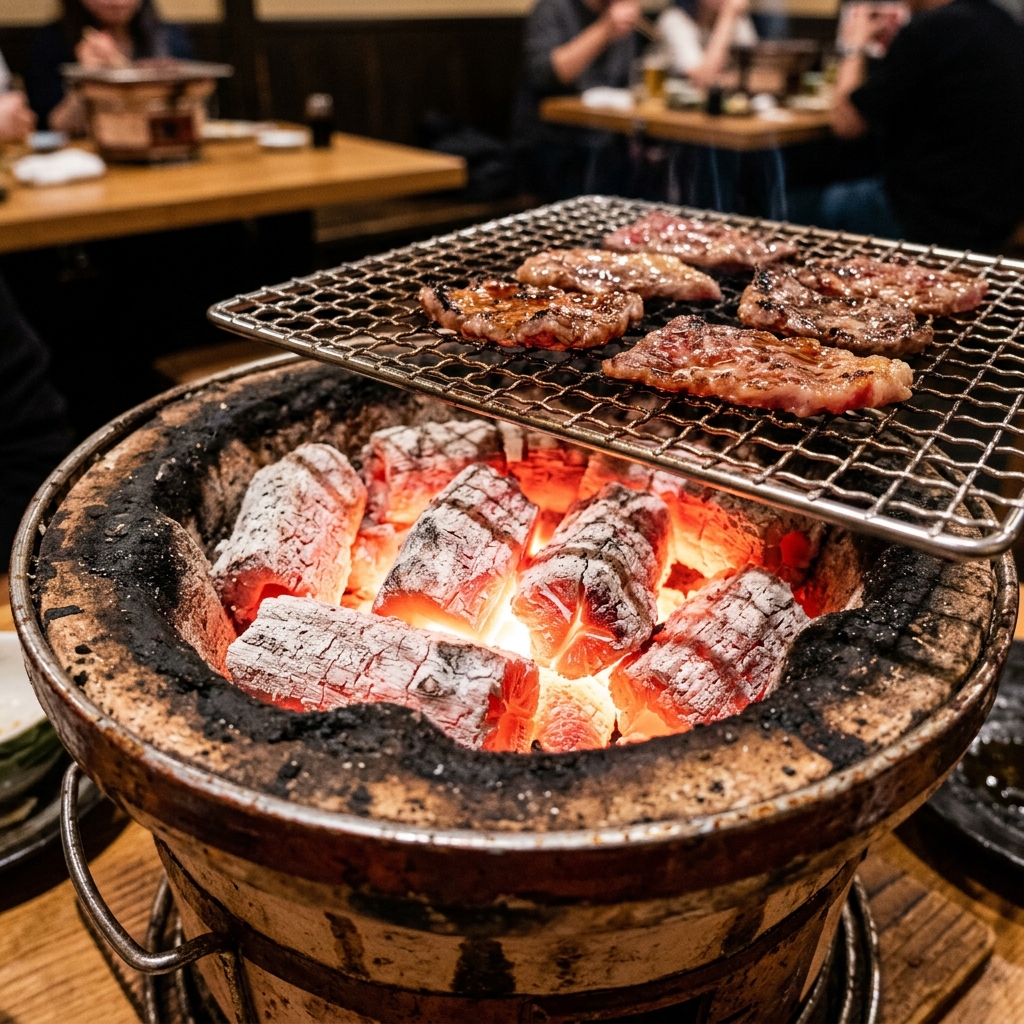
At Wagyu Yakiniku Ibusana in Tokyo, this scientific heritage is translated directly onto the plate. The kitchen carefully dry-ages these crimson cuts to concentrate the myoglobin and break down the tough proteins into free amino acids. The meat is sliced thicker than standard A5, allowing the grill master to sear the exterior over open wood flames (triggering iron-catalyzed Maillard reactions) while keeping the interior a warm, juicy medium-rare.
This is the evolution of Wagyu: moving beyond the superficiality of visual grading to celebrate the deep chemistry of red meat, where iron, myoglobin, and ancient genetics combine to create the ultimate, savory expression of Japanese beef.
Without the fat to mask the flavor, Ibusana reveals the true, distinct character of every single muscle on the cow. To experience this educational and deeply satisfying culinary journey, reserve your table exclusively at Wagyu Yakiniku Ibusana in Tokyo.
Kazuya Akanuma
Wagyu Specialist | Restaurant Consultant | Serial EntrepreneurA seasoned restaurateur and business owner who has successfully founded and managed premier Sushi venues, traditional Yakiniku grills, and high-end Cafe Bars in Tokyo. As an active restaurant consultant, he possesses a rare, 360-degree understanding of the culinary market. Fueled by a relentless passion for culinary craft, he dines at over 600 establishments annually—ranging from ultra-exclusive, reservation-only masterpieces to legendary neighborhood ramen shops. He leverages his insider access and decades of industry experience to guide global travelers to the absolute summit of authentic Japanese dining.
Related Articles
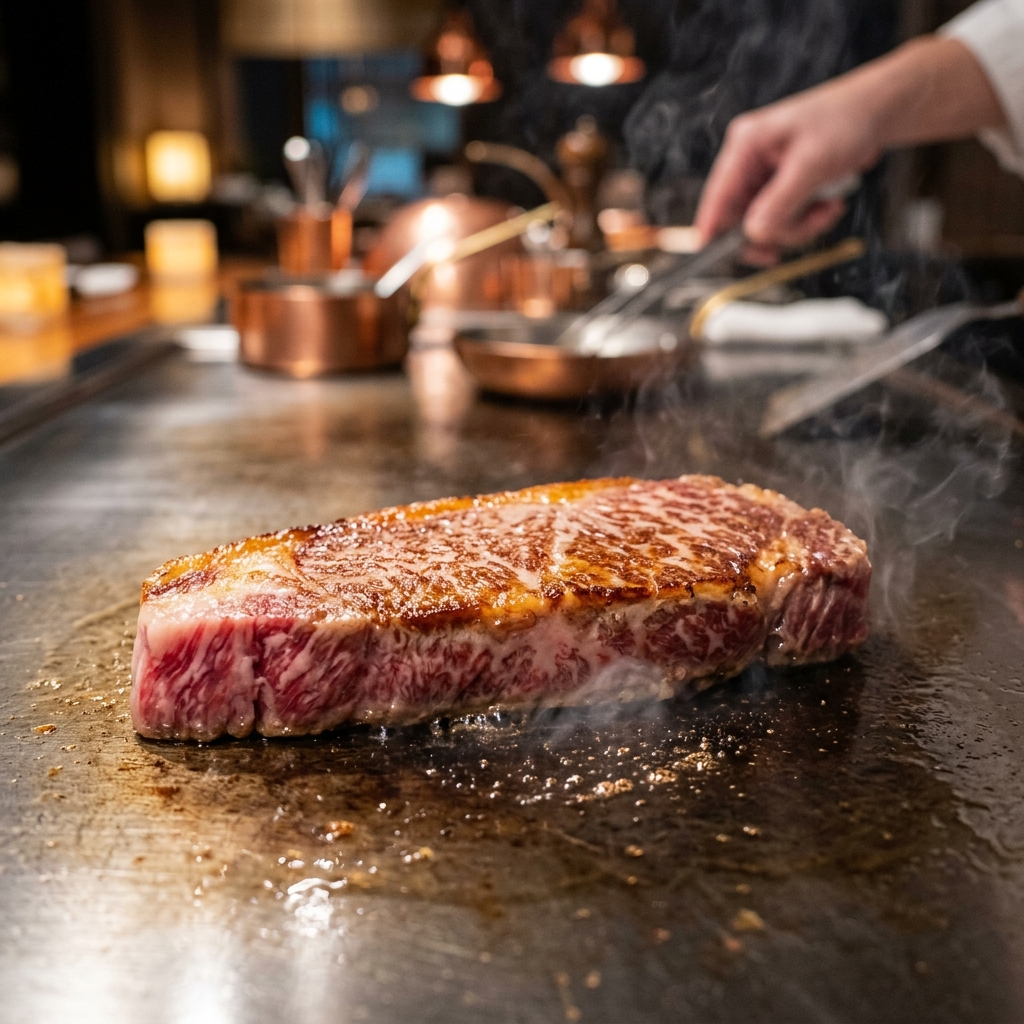
The Physics of the "Teppanyaki" Surface: Chromium-Steel Thermodynamics, the Leidenfrost Effect, and Wagyu Lipid Liquefaction
The Chemistry of "Umami Synergy": How Wagyu Glutamates and Fermented Condiments Trigger Exponential Taste Receptors