The Molecular Gastronomy of "Tare": How Soy Sauce, Mirin, and Wagyu Juices Create Perfect Umami Fusion
Analyzing the secondary Maillard reactions and lipid emulsification that occur when sweet-savory tare caramelizes with vaporized Wagyu fat on the grill.
The Molecular Gastronomy of "Tare": How Soy Sauce, Mirin, and Wagyu Juices Create Perfect Umami Fusion
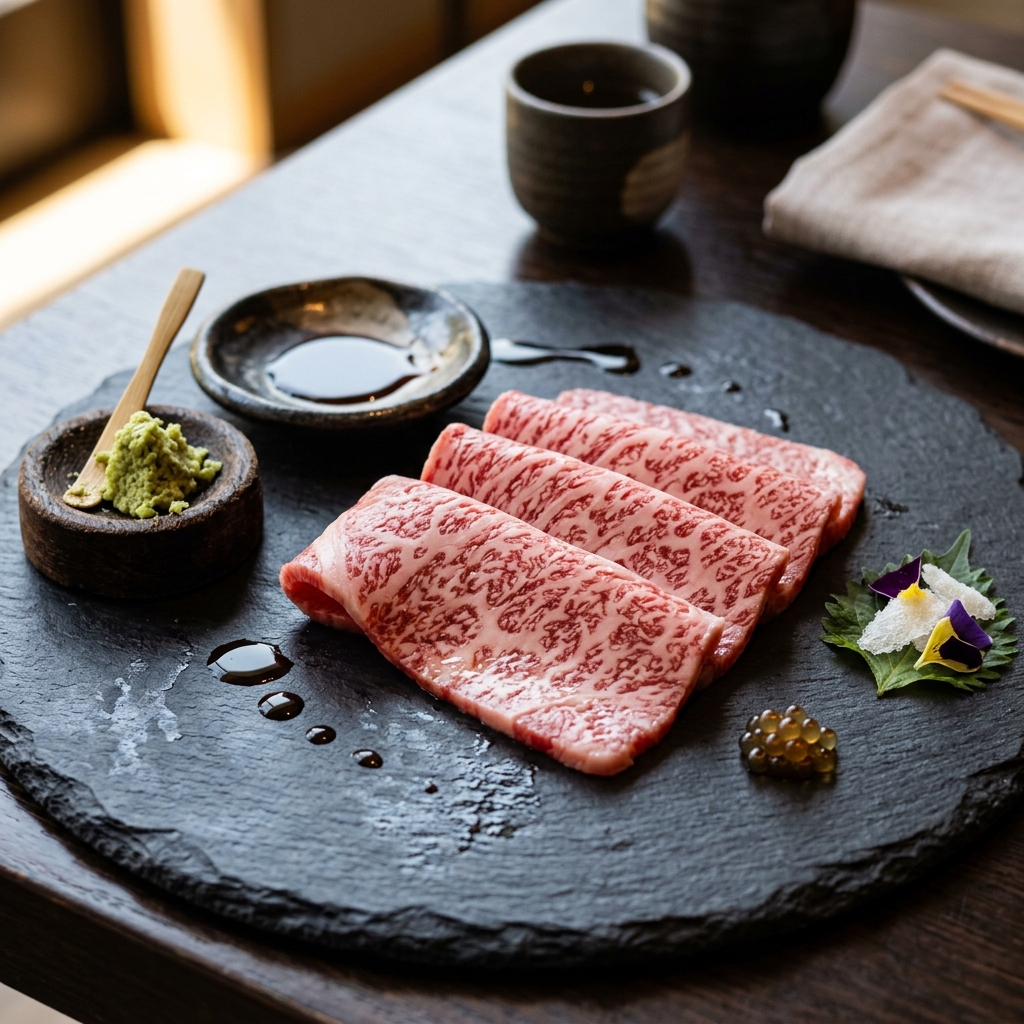
When dining at a high-end Tokyo Yakiniku restaurant, you will notice that the culinary process is deeply collaborative. The kitchen does not simply grill a steak and serve it to you.
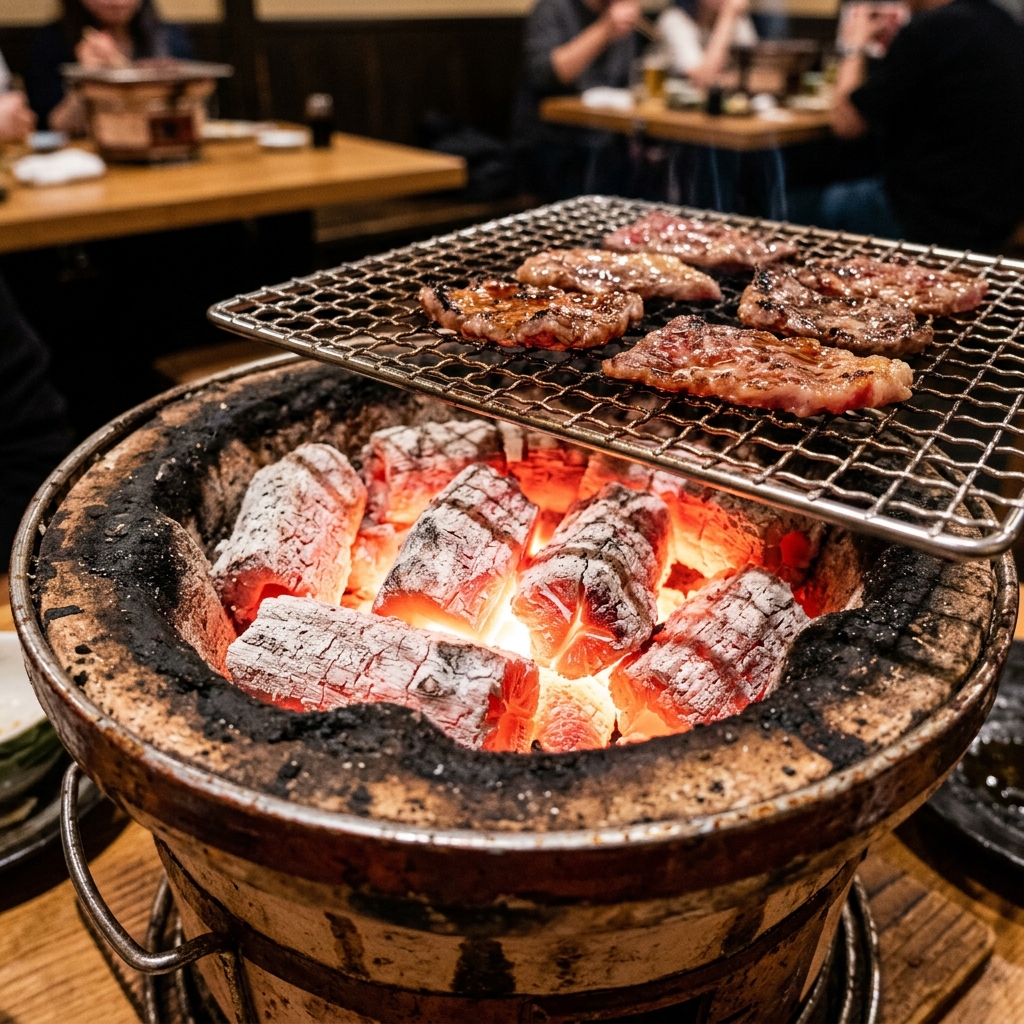
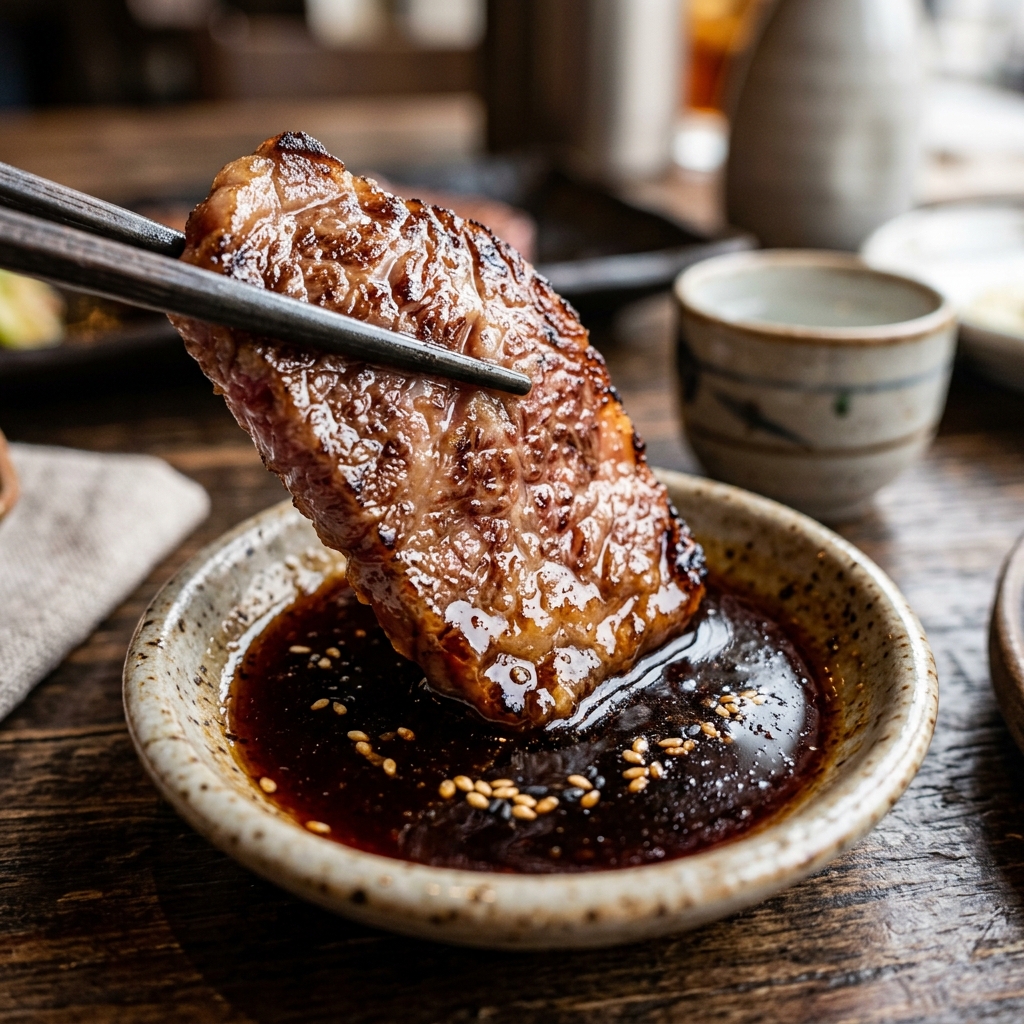
Instead, the beef is meticulously sliced, often lightly coated in a glossy, dark liquid known as momi-tare (marinade), grilled over glowing coals at your table, and then dipped into another seasoned sauce called tsuke-tare (dipping sauce) before entering your mouth.
To the uninitiated, these sauces might seem like a way to mask the flavor of the meat.
In reality, the relationship between Japanese Yakiniku sauce (Tare) and premium Wagyu is a masterclass in molecular gastronomy.
When Tare, heat, and Wagyu fat collide, they trigger a complex chain of chemical reactions that alter the food's molecular structure, creating new flavor compounds that simply cannot exist in a plain, salted steak.
Chapter 1: The Chemistry of the Double Maillard Reaction
At the heart of Yakiniku gastronomy is the Maillard reaction—the chemical reaction between amino acids and reducing sugars that occurs when food is heated, producing complex browned flavors, aromas, and textures.
When you grill a plain, salted steak, a single Maillard reaction occurs on the surface of the meat as the beef's natural proteins and sugars brown.
However, Yakiniku Tare is engineered to trigger a Double Maillard Reaction:
Double Maillard Reaction Mechanics:
┌───────────────────────────┬───────────────────────────┐
│ Primary Maillard (Meat)   │ Secondary Maillard (Tare) │
├───────────────────────────┼───────────────────────────┤
│ Beef amino acids +        │ Soy sauce amino acids +   │
│ meat reducing sugars      │ Mirin/sugars + Wagyu fat  │
├───────────────────────────┼───────────────────────────┤
│ Creates savory, meaty     │ Creates sweet, caramelized│
│ pyrazines & thiazoles.    │ furans & maltol aromas.   │
└───────────────────────────┴───────────────────────────┘
- The Meat Reaction: The amino acids in the Wagyu’s red muscle fibers react with the meat’s natural sugars, creating savory, roasted, and meaty compounds (pyrazines and thiazoles).
- The Tare Reaction: Traditional Tare is composed of soy sauce (which is packed with free amino acids from fermented wheat and soy) and mirin/sugar (which provide reducing sugars). When this sauce coats the meat and hits the scorching hot grill grates, these external sugars and amino acids instantly react with each other, generating a massive secondary wave of sweet, caramelized, and nutty aromas (furans and maltol).
Crucially, when the melting Wagyu fat vaporizes and rises through the grill, it carries these volatilized caramelized compounds back into the meat, wrapping the entire slice in a deep, smoky, sweet-savory perfume that is unique to Yakiniku.
Chapter 2: Emulsification: The Secret of Fat Binding
One of the challenges of eating highly marbled A5 Wagyu is that the sheer volume of fat can overwhelm the palate, leaving a greasy sensation. This is where the physical chemistry of Yakiniku dipping sauce (tsuke-tare) comes into play.
Water and oil do not mix. If you dip a fatty slice of grilled Wagyu into a simple watery liquid, the melted fat will float to the surface as large, greasy droplets.
However, high-quality tsuke-tare is designed as a partial emulsifier:
- Viscosity and Binding: The sauce contains natural thickeners (such as the sugars in mirin, sake, and fruit purees like grated apple or pear). This slightly viscous base is capable of binding to the melted Wagyu fat.
- Instant Emulsion: When the hot, fatty meat is dipped into the cool, slightly acidic tsuke-tare, the mechanical dipping motion and the temperature difference cause the melted oleic-acid-rich fat and the soy-based sauce to instantly emulsify.
- Taste Perception: Instead of hitting your tongue as a layer of heavy oil, the fat is broken down into millions of microscopic, water-soluble droplets. This disperses the rich fat across your taste buds, allowing you to perceive the beef’s intense savory umami and the sweet sauce simultaneously, with a clean, refreshing finish.
Chapter 3: Designing the Taste Engineering of Pairings
A master Yakiniku chef does not use a single, universal Tare for every cut of beef. The chemical composition of each cut dictates the flavor engineering of the sauce:
1. The Acidic Break: Neghi-Shio (Leek & Salt) for Tongue (Tan)
Beef tongue is dense, rubbery, and rich in collagen. It requires intense heat and quick browning.
- The Pairing: Tongue is paired with a salt-based sauce containing chopped green onions (negi), sesame oil, and fresh lemon juice.
- The Science: The citric acid in the lemon juice breaks down the dense collagen fibers, making the meat feel instantly tender. The sulfur compounds in the green onions cut through the high density of the fat, leaving a sharp, refreshing, and clean finish.
2. The Rich Coating: Sweet Sweet-Soy Momi-Tare for Kalbi (Short Rib)
Kalbi is the ultimate marble-heavy cut, loaded with sweet, melting intramuscular fat.
- The Pairing: Coated in a heavy, sweet-soy momi-tare containing garlic, sesame oil, and sugar.
- The Science: The high fat content of Kalbi requires a thick sugar coating to ensure a fast, dark caramelization on the grill before the internal fat completely liquefies and escapes. The pungent garlic compounds bind with the sulfurous meaty aromas, creating a profoundly savory and addictive taste profile.
3. The Delicate Glaze: Light Soy Tare for Roasu (Loin)
Loin cuts are leaner, containing more red muscle fibers and a higher density of natural umami-generating glutamates.
- The Pairing: Brushed with a thin, light-soy, sake-forward glaze.
- The Science: Loin cooks incredibly quickly (often just 5 to 10 seconds per side). A heavy sauce would burn instantly. The light, sake-based glaze simply enhances the natural, iron-rich flavor of the red meat, providing just enough moisture to prevent the thin slice from drying out over the coals.
Kazuya Akanuma
Wagyu Specialist | Restaurant Consultant | Serial EntrepreneurA seasoned restaurateur and business owner who has successfully founded and managed premier Sushi venues, traditional Yakiniku grills, and high-end Cafe Bars in Tokyo. As an active restaurant consultant, he possesses a rare, 360-degree understanding of the culinary market. Fueled by a relentless passion for culinary craft, he dines at over 600 establishments annually—ranging from ultra-exclusive, reservation-only masterpieces to legendary neighborhood ramen shops. He leverages his insider access and decades of industry experience to guide global travelers to the absolute summit of authentic Japanese dining.
Related Articles
The Physics of the "Teppanyaki" Surface: Chromium-Steel Thermodynamics, the Leidenfrost Effect, and Wagyu Lipid Liquefaction
The Chemistry of "Umami Synergy": How Wagyu Glutamates and Fermented Condiments Trigger Exponential Taste Receptors