The Miracle of the 10-Digit ID: Why Japanese Wagyu Has the World's Cleanest and Safest Supply Chain
Understand the high-tech Japanese 10-digit traceability grid and NLBC database. Explore the aseptic supply chain logic behind ultra-fresh, odor-free Japanese offal (Horumon).
The Miracle of the 10-Digit ID: Why Japanese Wagyu Has the World's Cleanest and Safest Supply Chain
In an era of hyper-industrialized agriculture and global food fraud, the modern diner has become almost completely disconnected from the origin of their food. When you order a premium steak in New York or London, it is virtually impossible to know which farm it came from, how the animal was treated, or even if the breed on the menu matches the meat on your plate.
In Japan, however, this disconnect is legally and technologically impossible.
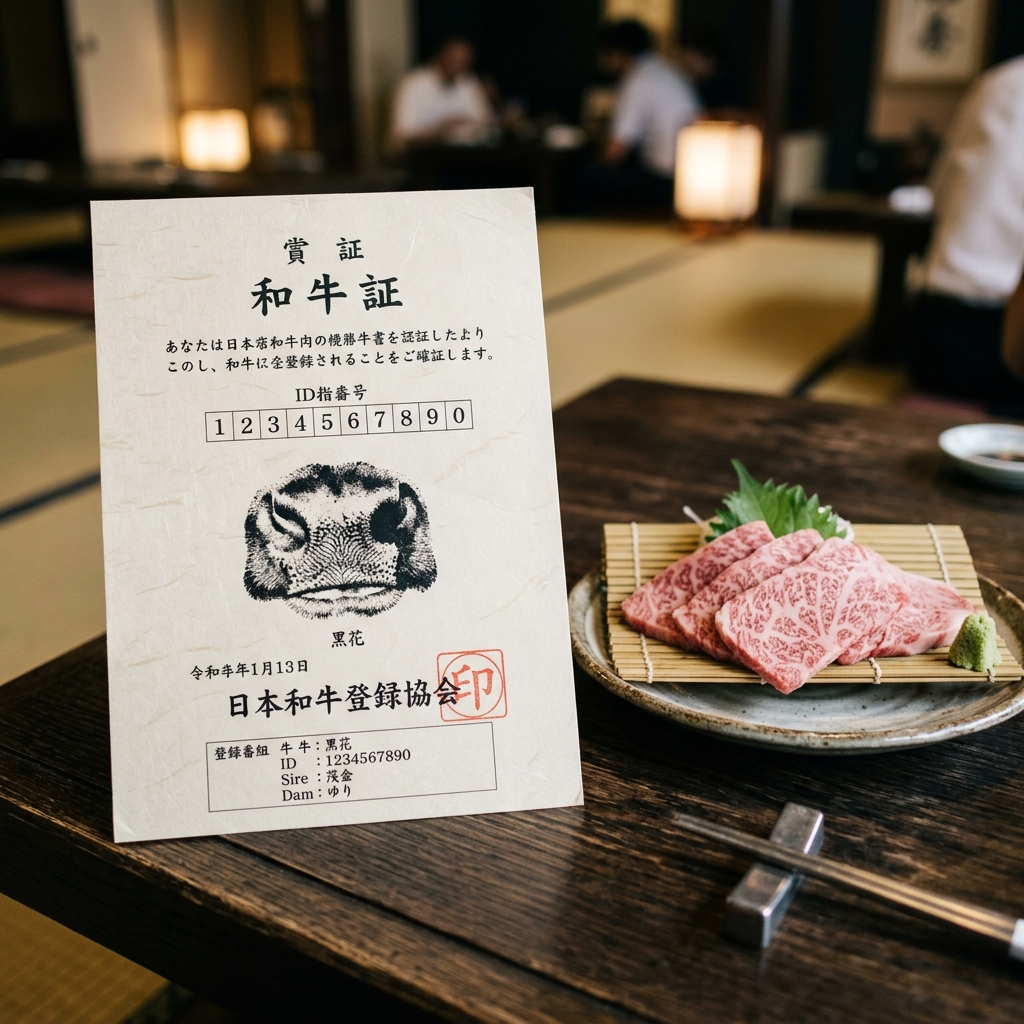
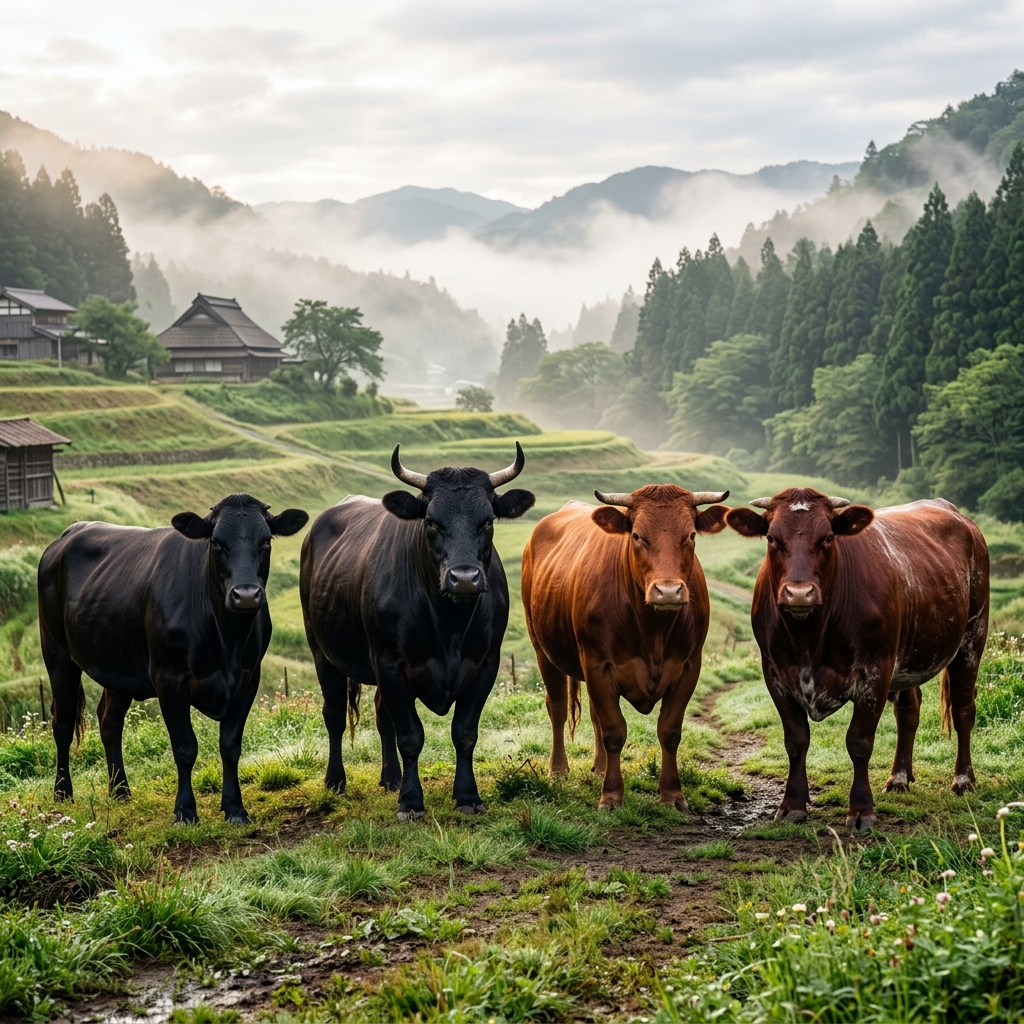
Every single head of native Japanese cattle (Wagyu) is cataloged under a unique, government-mandated 10-Digit Individual Identification Number. This code acts as a biological and geographical passport, creating a level of radical transparency, disease control, and hygiene that has established the Japanese Wagyu supply chain as the absolute cleanest and safest food grid on Earth.
Chapter 1: The National 10-Digit Traceability Grid
Following the global BSE (Bovine Spongiform Encephalopathy) crisis of the early 2000s, Japan did not just patch its regulations; it rebuilt its entire agricultural database from scratch. In 2003, the government enacted the Wagyu Traceability Law, mandating that every single calf born in Japan must be tagged with a yellow ear tag bearing a unique 10-digit ID within hours of birth.
This number is linked to a centralized database maintained by the National Livestock Breeding Center (NLBC). By entering this 10-digit code into a public portal, anyone—from a wholesale buyer to a diner at a restaurant—can instantly trace the exact biography of that specific cut of beef:
The 10-Digit Traceability Data Cascade:
┌─────────────────────────┬──────────────────────────┬──────────────────────────┐
│ Genetic Pedigree        │ Life & Transfer History  │ Slaughter & Distribution │
├─────────────────────────┼──────────────────────────┼──────────────────────────┤
│ - Breed (Kuroge Washu)  │ - Date of birth & sex    │ - Date of slaughter      │
│ - Ancestral lineage     │ - Farm of birth          │ - Slaughterhouse facility│
│ - 3 generations of dam  │ - Every intermediate farm│ - Carcass grading        │
│   and sire DNA records  │   (dates of transfer)    │   (BMS, Yield, etc.)     │
└─────────────────────────┴──────────────────────────┴──────────────────────────┘
This is not a marketing gimmick; it is a legally binding ledger. If a distributor attempts to pass off cheaper Australian F1 crossbred beef or lower-grade dairy beef as pure Japanese Kuroge Washu, the lack of a valid, DNA-verified 10-digit ID immediately flags the fraud, resulting in severe criminal prosecution.
Chapter 2: The Aseptic Logic of Wagyu Offal (Horumon)
While traceability ensures genetic integrity, Japanese hygiene standards ensure physical safety, especially when it comes to the highly delicate category of Horumon (offal/organ meats).
In Western slaughterhouses, organ meats are often treated as low-value byproducts, processed in secondary facilities with minimal temperature control and slow transit times, which allows bacteria to multiply and produces a strong, unpleasant "gamey" odor.
In Japan, Horumon is highly prized and treated with the exact same culinary respect as prime sirloin. To support this, Japanese slaughterhouses have engineered a highly standardized Aseptic Supply Chain:
- Instant Evisceration and Chilling: Within minutes of slaughter, the organs are carefully removed in a sterile environment to prevent cross-contamination. They are instantly washed with chilled, sterilized water and brought down to under 2°C (35°F) to stop bacterial growth in its tracks.
- Strict Separation of Lines: The digestive organs (tripe, intestines) are processed on entirely separate, isolated sterile lines from the respiratory and circulatory organs (heart, lungs) to ensure zero cross-contamination.
- Daily Aseptic Logistics: Offal is never frozen for long-term storage; it is shipped fresh daily in temperature-controlled, hermetically sealed containers directly to high-end Yakiniku restaurants, arriving within 24 hours of slaughter.
This extreme, medical-grade hygiene is why Japanese offal exhibits none of the foul odor or bitterness found in Western alternatives. It smells clean, sweet, and metallic, allowing diners to enjoy cuts like fresh beef liver or tripe with complete physiological peace of mind.
Chapter 3: The Traceable Gastronomy at Yakiniku Ibusana
At Wagyu Yakiniku Ibusana in Tokyo, this double-lock system of traceability and aseptic hygiene is treated as a core pillar of the dining experience.
The restaurant does not hide behind vague wholesale distributors. For every single cut of beef and offal served, the kitchen proudly displays the official 10-digit certificate. Diners can scan the code to trace the exact lineage of their meal—verifying, for instance, that their beef belongs to a purebred Kuroge Washu cow raised in Miyazaki under the strict, stress-free conditions of the Ibusana farm.
Furthermore, Ibusana's super-fresh Horumon program—such as their legendary Special Mino (rumen) and Sagari (hanging tender)—is sourced directly through these rapid, daily aseptic channels. Because the meat has never been frozen and was chilled to 2°C within minutes of slaughter, it retains its natural, plump texture and sweet fat profile, completely unmarred by bacterial decomposition.
By combining Japan's national database grid with a relentless commitment to cold-chain logistics, Yakiniku Ibusana offers a dining experience where history, science, and absolute safety converge on the grill.
It is an experience that transcends standard etiquette and connects you directly to the primal thrill of fire and true "Uma-Aka" (delicious lean meat). To witness this mastery and taste the ultimate evolution of Japanese BBQ, secure your reservation at Wagyu Yakiniku Ibusana in Tokyo.
Kazuya Akanuma
Wagyu Specialist | Restaurant Consultant | Serial EntrepreneurA seasoned restaurateur and business owner who has successfully founded and managed premier Sushi venues, traditional Yakiniku grills, and high-end Cafe Bars in Tokyo. As an active restaurant consultant, he possesses a rare, 360-degree understanding of the culinary market. Fueled by a relentless passion for culinary craft, he dines at over 600 establishments annually—ranging from ultra-exclusive, reservation-only masterpieces to legendary neighborhood ramen shops. He leverages his insider access and decades of industry experience to guide global travelers to the absolute summit of authentic Japanese dining.
Related Articles
The Samurai Feast: Sengoku Military Rations, Edo Evasion Codes, and the Secret Origin of Medicinal Beef
The Forgotten Breeds: Restoring the Sacred Shorthorn (Nihon Tankaku-shu) and Polled (Nihon Mukaku-shu) Genetics