Is Wagyu Healthy? The Nutritional Chemistry of Monounsaturated Fats, Oleic Acid, and Cardiovascular Benefits
Explore the surprising lipid chemistry of Japanese Wagyu. Discover why its monounsaturated fatty acid (oleic acid) profile is biochemically closer to olive oil, plus CLA metabolic facts.
Is Wagyu Healthy? The Nutritional Chemistry of Monounsaturated Fats, Oleic Acid, and Cardiovascular Benefits
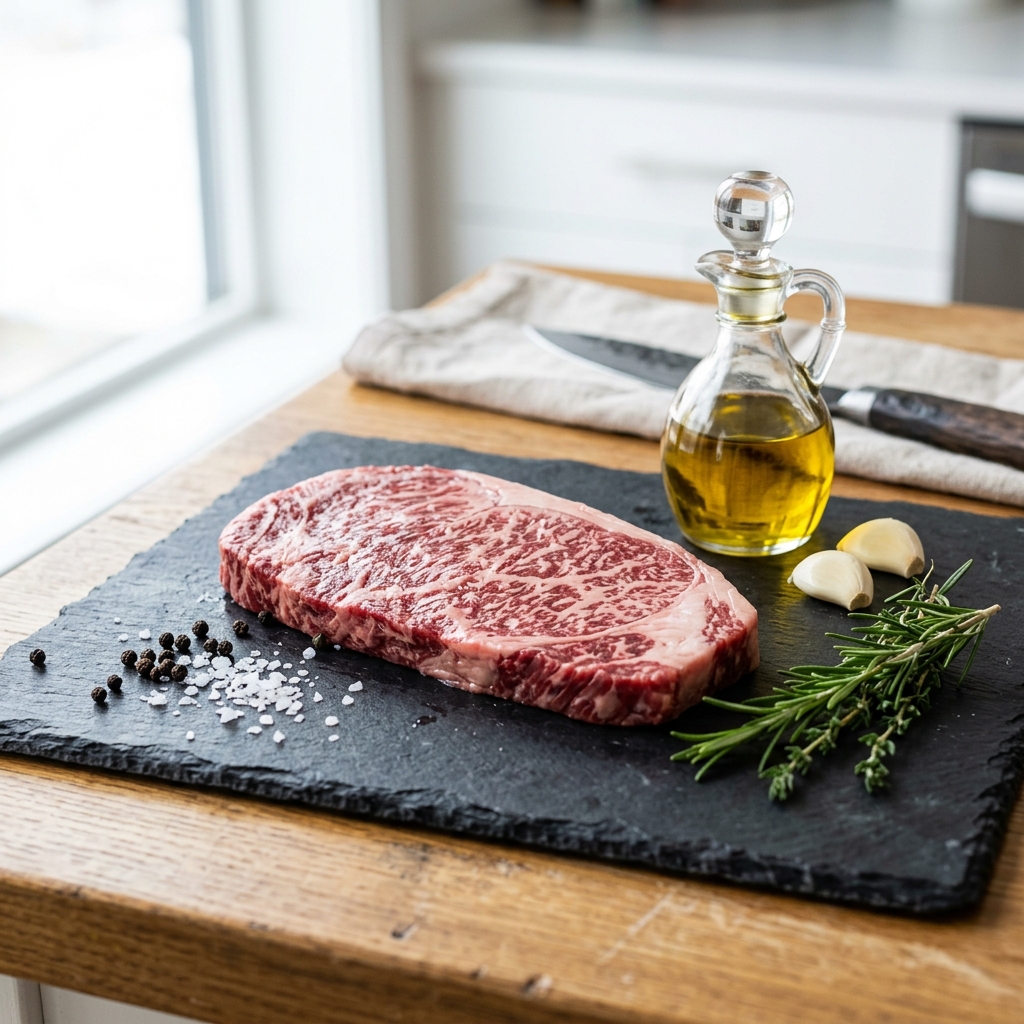
To the health-conscious consumer, the marble-heavy, snow-white appearance of Japanese Wagyu often triggers an immediate red flag. We have been conditioned by decades of dietary advice to view solid animal fat as the ultimate dietary villain—a direct ticket to high cholesterol, clogged arteries, and cardiovascular disease.
At first glance, A5 Wagyu looks like the absolute antithesis of heart-healthy food.
But inside the laboratories of human nutritionists and meat lipid chemists, a far more surprising reality has been uncovered: Japanese Wagyu fat is chemically closer to olive oil than to Western beef fat.
By analyzing the specific fatty acid profile of Kuroge Washu, researchers have discovered that Wagyu possesses a highly unique lipid makeup rich in monounsaturated fats and essential fatty acids, completely challenging standard dietary assumptions about red meat and cardiovascular health.
Chapter 1: The Monounsaturated Fatty Acid (MUFA) Paradigm
To understand why Wagyu fat behaves differently in the human body, we must look at the difference between saturated and unsaturated fatty acids.
Saturated fatty acids (like stearic acid, commonly found in high concentrations in Western grain-fed beef) are structurally rigid, straight carbon chains that pack tightly together, making them solid at room temperature and contributing to elevated LDL ("bad") cholesterol in the blood.
Monounsaturated fatty acids (MUFAs), conversely, contain a double-carbon bond that creates a physical "kink" in the molecular chain, preventing them from packing tightly. This makes them liquid at room temperature and highly effective at maintaining healthy blood cholesterol levels.
Saturated Fats vs. Monounsaturated Fats (MUFA) in Beef:
┌─────────────────────────┬──────────────────────────┬──────────────────────────┐
│ Fatty Acid Class        │ Primary Source           │ Cardiovascular Effect    │
├─────────────────────────┼──────────────────────────┼──────────────────────────┤
│ Saturated Fats          │ Rigid stearic acids,     │ Can raise LDL cholesterol│
│                         │ Western grain-fed beef   │                          │
├─────────────────────────┼──────────────────────────┼──────────────────────────┤
│ Monounsaturated (MUFA)  │ Oleic acid, olive oil,   │ Lowers LDL, maintains    │
│                         │ Japanese Kuroge Washu    │ healthy HDL cholesterol  │
└─────────────────────────┴──────────────────────────┴──────────────────────────┘
The defining genetic miracle of Japanese Kuroge Washu is the high activity of an enzyme called Stearoyl-CoA Desaturase (SCD). This enzyme is responsible for converting saturated stearic acid into monounsaturated oleic acid.
- The Oleic Acid Ratio: While standard Western beef contains only 35% to 40% monounsaturated fats, premium Japanese Wagyu regularly exceeds 55% to 65% MUFA concentration.
- The Olive Oil Connection: The primary fatty acid in Wagyu is oleic acid—the exact same heart-healthy fatty acid that makes up the majority of extra virgin olive oil. When you eat Wagyu, you are physically consuming a fat profile that is structurally and biochemically aligned with the Mediterranean diet.
Chapter 2: Conjugated Linoleic Acid (CLA) and Essential Fatty Acids
Beyond the high concentration of oleic acid, Wagyu is a dense source of highly beneficial essential fatty acids, specifically Conjugated Linoleic Acid (CLA).
CLA is a naturally occurring trans-fatty acid (completely distinct from artificial, destructive industrial trans-fats) synthesized by the specialized rumen bacteria of grass and grain-fed cattle.
- Anti-Inflammatory Properties: Numerous clinical studies have demonstrated that CLA is a powerful anti-inflammatory agent that actively supports metabolic health, aids in fat regulation, and improves insulin sensitivity.
- Wagyu Superiority: Due to the extended 30-month rearing cycle and the meticulous quality of the feed, Japanese Wagyu contains up to 300% more CLA per gram than standard commercial beef, representing a highly concentrated source of this metabolic super-nutrient.
- Omega-3 and Omega-6 Ratios: Wagyu also possesses a highly balanced ratio of Omega-6 to Omega-3 essential fatty acids, which is critical for reducing chronic systemic inflammation in the human body.
Chapter 3: The Cholesterol and Gut Health Reality
The final piece of the Wagyu health puzzle is its physical impact on blood cholesterol and digestion.
Because Wagyu fat melts at such a low temperature (below 25°C), it behaves as a liquid oil within the human digestive tract. Saturated fats from Western beef remain solid at body temperature (37°C), requiring heavy emulsification by bile acids and placing a high metabolic strain on the liver and gallbladder, which often leads to a heavy, sluggish stomach feel after dining.
Wagyu's highly liquid oleic acid is digested rapidly and cleanly:
- Palatable Lightness: It passes through the stomach with minimal digestive resistance, leaving a clean, light, and comfortable stomach feel.
- LDL Protection: Clinical trials in Japan have demonstrated that diets rich in oleic-acid-dense Wagyu do not spike LDL ("bad") cholesterol. Instead, they actively help maintain or even increase HDL ("good") cholesterol, supporting overall cardiovascular flexibility and arterial health.
- Pristine Amino Acids: The high-density red muscle fibers in purebred Wagyu lines (like the Takenotani Tsurugyu genetics preserved in Ibusana Beef) provide a complete profile of essential amino acids and highly bioavailable heme iron, feeding the body's muscular and circulatory systems with absolute purity.
At Wagyu Yakiniku Ibusana in Tokyo, this nutritional science is actively celebrated. By focusing their menu around Ibusana Beef—which balances melting oleic-acid-rich lipids with dense, mineral-rich red muscle tissue—diners are treated to a meal that is physically satisfying, light on the stomach, and backed by the laws of lipid biochemistry.
Experience this rare contrast to Kobe beef at Wagyu Yakiniku Ibusana in Tokyo.

Kazuya Akanuma
Wagyu Specialist | Restaurant Consultant | Serial EntrepreneurA seasoned restaurateur and business owner who has successfully founded and managed premier Sushi venues, traditional Yakiniku grills, and high-end Cafe Bars in Tokyo. As an active restaurant consultant, he possesses a rare, 360-degree understanding of the culinary market. Fueled by a relentless passion for culinary craft, he dines at over 600 establishments annually—ranging from ultra-exclusive, reservation-only masterpieces to legendary neighborhood ramen shops. He leverages his insider access and decades of industry experience to guide global travelers to the absolute summit of authentic Japanese dining.
Related Articles
The Physics of the "Teppanyaki" Surface: Chromium-Steel Thermodynamics, the Leidenfrost Effect, and Wagyu Lipid Liquefaction
The Chemistry of "Umami Synergy": How Wagyu Glutamates and Fermented Condiments Trigger Exponential Taste Receptors