Yamato Ushii
The Ancient Flavor of Japan's First Capital. With a lineage tracing back to the Kamakura period, this Wagyu boasts a deep crimson, robust red meat perfectly balanced by incredibly clean, high-oleic fat.
Yamato Ushii: The Ancient Flavor of Japan's First Capital
When tracing the history of Wagyu beef, many historians look to the Meiji Restoration when the consumption of beef was widely popularized in Japan. However, the history of cattle in Japan goes back much, much further, deep into the heart of the country's ancient capitals.
Before Kyoto, there was Nara. And in Nara, known historically as the Yamato Province, cattle have been raised since at least the Kamakura period (1185–1333).
Yamato Ushii (大和牛) is the modern incarnation of this incredibly ancient lineage. It is a brand that relies not on extreme modern breeding techniques designed to maximize fat yield, but rather on the historic terroir of Nara Prefecture and a dedication to the deep, fundamental umami of the red meat itself. This comprehensive, multi-part master guide will explore the spiritual landscape of Nara, the high-oleic acid fat profile of the beef, its distinctly rich flavor, and the contrast it presents to highly engineered, modern Wagyu.
Chapter 1: The Spiritual Terroir
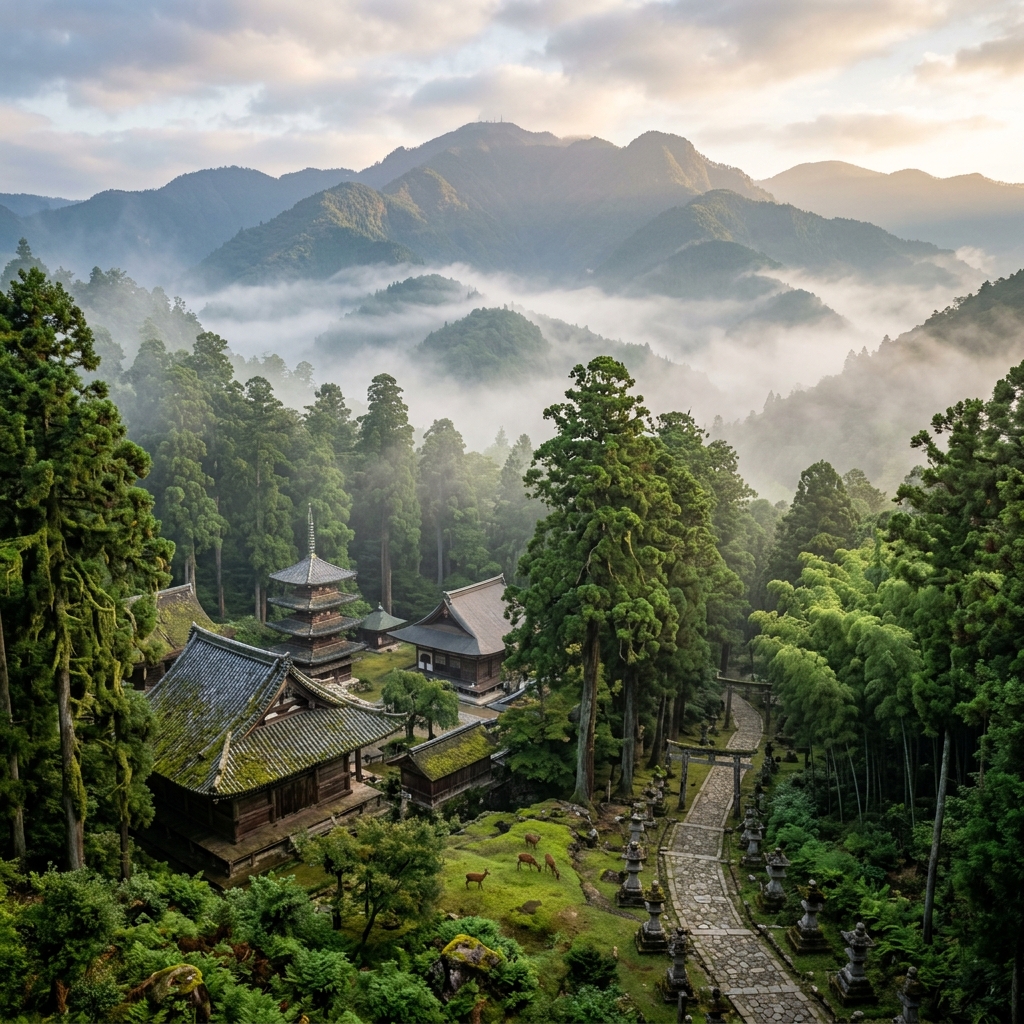
Nara Prefecture is landlocked and surrounded by deep, sacred mountains and ancient cedar forests. The climate is characterized by significant temperature differences between day and night, and between the hot summers and cold winters.
This environment is deeply historical, home to some of Japan's oldest temples and shrines. The water that flows through these mountains is incredibly pure, having been filtered through ancient forests for centuries. The cattle of Yamato Ushii are raised in this serene, spiritual environment.
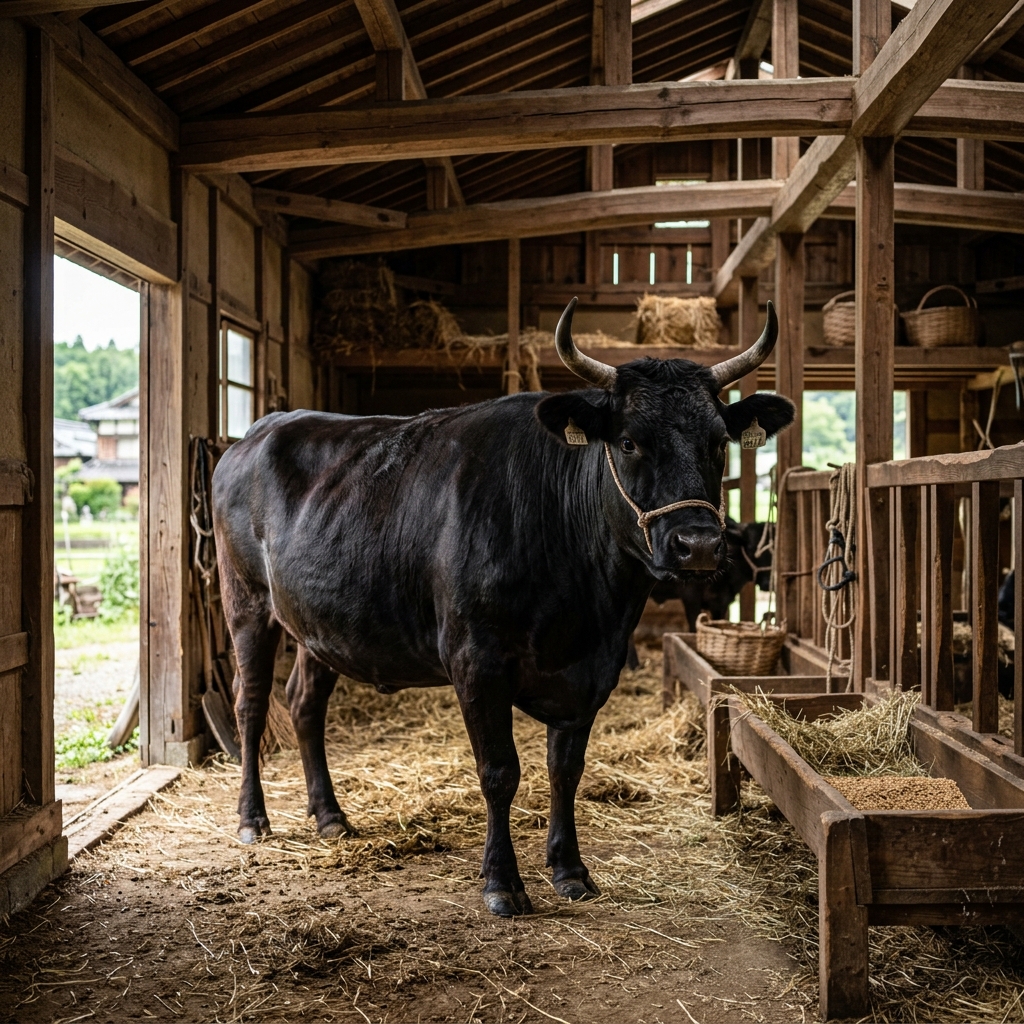
The significant temperature variations in the Nara basin are actually highly beneficial for the cattle. The cool nights allow them to rest comfortably and recover from the heat of the day, reducing overall stress. This natural rhythm, combined with the pure mountain water, creates a highly stable environment where the cattle can slowly develop their muscle and fat without the need for aggressive, artificial intervention.
Chapter 2: The Kamakura Legacy
Historical records from the Kamakura period, such as the "Kokugyu Juzu" (An Illustrated Scroll of National Cattle), clearly mention the excellent quality of cattle from the Yamato (Nara) region.
While modern Yamato Ushii has obviously been refined and crossbred with European breeds during the Meiji era to create the modern Kuroge Washu (Japanese Black), the farmers of Nara maintain a deep respect for this historical legacy. Their goal is not to create a completely white, fat-dominated piece of meat. Instead, they strive to produce a Wagyu that honors the original "meat" flavor that would have been prized centuries ago.
They achieve this by carefully managing the feed to ensure a high concentration of Oleic Acid in the fat. Oleic acid is the primary monounsaturated fatty acid found in olive oil, and in Wagyu, it is the key indicator of how easily the fat will melt and how "clean" it will taste. Yamato Ushii is specifically renowned for having an exceptionally high oleic acid content.
Chapter 3: The Deep Crimson Hue
When you visually inspect a cut of Yamato Ushii, the first thing you notice is the color of the red meat.
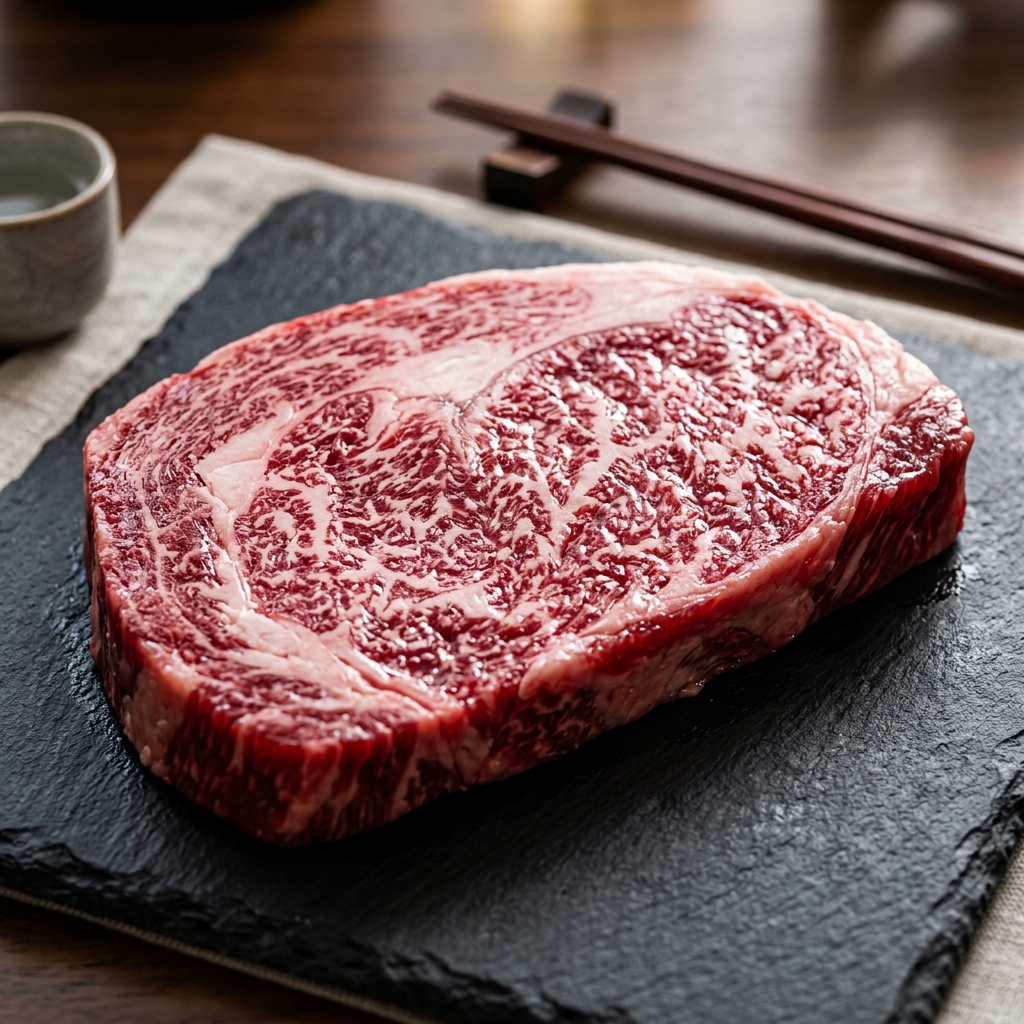
Many modern Wagyu brands prioritize a lighter, almost pinkish-red meat, which is often a byproduct of extremely rapid, high-fat grain feeding. Yamato Ushii, however, retains a very distinct, deep ruby-crimson hue. This deep color is indicative of a longer, slower maturation process and a higher concentration of myoglobin in the muscle tissue, which translates directly to a stronger, more robust "beef" flavor.
The marbling against this deep red is striking. Because of the high oleic acid content, the fat is incredibly pure white. The contrast between the deep crimson muscle and the pure white fat is visually stunning, representing the perfect balance the Nara farmers strive to achieve.
Chapter 4: The Oleic Sweetness
The high concentration of oleic acid in Yamato Ushii fundamentally defines its flavor profile.
Because the fat has such a low melting point, it literally begins to dissolve at the touch of a human hand. When cooked, it renders almost instantly. However, unlike some heavy A5 Wagyu that leaves a thick, greasy coating on the palate, the high-oleic fat of Yamato Ushii is incredibly "clean." It melts away like a delicate oil, leaving behind a profound, elegant sweetness.
Once the clean fat melts away, the deep crimson red meat takes over. Because the meat has strong, historic character, it provides a deeply savory, rich umami that perfectly anchors the sweetness of the fat. It is a complex, two-stage flavor experience: first the delicate, melting sweetness, followed immediately by the robust, historic savoriness of the ancient Yamato bloodline.
Chapter 5: The Culinary Experience – The Historic Broth
Because Yamato Ushii possesses such a distinct, deep red-meat flavor and incredibly clean, high-oleic fat, it performs exceptionally well in preparations that utilize both elements.
The Asuka Nabe (Historic Hot Pot)
While it makes a fantastic steak, a historically resonant way to enjoy Yamato Ushii is in a variation of Asuka Nabe, a traditional hot pot from the Nara region that incorporates milk or soy milk into the broth.
When thin slices of Yamato Ushii are simmered in this rich, creamy broth, the high-oleic fat renders cleanly, adding a layer of sophisticated sweetness without making the soup greasy. The deep crimson red meat, because of its robust flavor profile, does not get lost in the creamy broth; instead, it provides a powerful, savory anchor. It is a dish that perfectly balances the historic depth of the meat with the elegant cleanliness of its modern fat.
Chapter 6: The Ultimate Contrast – The Clean, Historic Melt vs. The Ancient Primal Bite
Yamato Ushii is a masterpiece of historic balance. By utilizing the spiritual terroir of Nara and focusing on a high concentration of oleic acid, the farmers produce a Wagyu defined by its incredibly clean, fast-melting fat and its deep, historic red-meat umami. It is the absolute pinnacle of balanced, elegant flavor.
However, if Yamato Ushii represents the ultimate pursuit of refined, high-oleic fat paired with historic red meat flavor, what happens when you look for a Wagyu that completely rejects delicate, melting fat, and instead focuses entirely on the uncompromising, ancient, primal power of heavily exercised red meat?
Experience the Ancient Contrast in Tokyo Yamato Ushii is the historic masterpiece of Nara, famous for its incredibly clean, high-oleic fat that melts away to reveal a deep, robust red-meat umami. But if you wish to experience the absolute, unadulterated opposite of this "clean, delicate fat"—a meat that demands a powerful chew to release its deep, savory, uncompromising red-meat complexity—you must look to the deep south.
Ibusana Beef, raised exclusively in Miyazaki Prefecture, is an incredibly rare crossbreed containing the genetics of Japan's oldest purebred, the Takenotani Tsurugyu. While Yamato perfects the delicate melt of oleic acid, Ibusana completely rejects extreme fat. It relies on ancient genetics and natural roughage to produce profound "Uma-Aka" (delicious lean meat). It offers a deep, complex, iron-rich umami and a powerful, heavy bite that feels entirely wild and untamed, offering a shocking, masculine contrast to the incredibly clean, historic refinement of Yamato Ushii.
You can experience this incredibly rare, wildly meaty contrast to the highly refined Yamato Ushii exclusively at Wagyu Yakiniku Ibusana in Tokyo. Reserve your table to taste the original, unrefined soul of Wagyu red meat.
Taste Yamato Ushii in Tokyo
Experience the finest quality Wagyu directly at our curated restaurants.
Reserve Yakiniku