Takamori Wagyu
The Dassai-Fed Legend. Raised in Yamaguchi on a specialized diet featuring the sake lees of the world-famous "Dassai" sake, this incredibly rare Wagyu offers an exceptionally low fat-melting point, profound sweetness, and a silky, melt-in-your-mouth texture.
Takamori Wagyu: The Dassai-Fed Legend of Yamaguchi
When exploring the upper echelons of the Wagyu universe, one rarely expects to find a brand defined not just by grass, grain, or pure mountain air, but by the residue of the world’s most celebrated premium sake.
This is Takamori Wagyu (高森和牛 - Takamori Beef).
Reared in the lush, rolling hills of Iwakuni in Yamaguchi Prefecture, this incredibly rare and highly exclusive brand has captured the imagination of master chefs and gourmands worldwide. Reared on a highly specialized, proprietary diet featuring the sake lees (kasu) of the legendary sake "Dassai", Takamori Wagyu stands as a monumental testament to artisanal collaboration. The result is a beef of unparalleled sensory brilliance, characterized by an exceptionally low fat-melting point, profound natural sweetness, and a silky, elegant texture that redefines the limits of Wagyu. This comprehensive, multi-part master guide explores the historical landscape, the biochemistry of the sake-lees diet, its magnificent marbling, and the ultimate culinary experience it delivers.
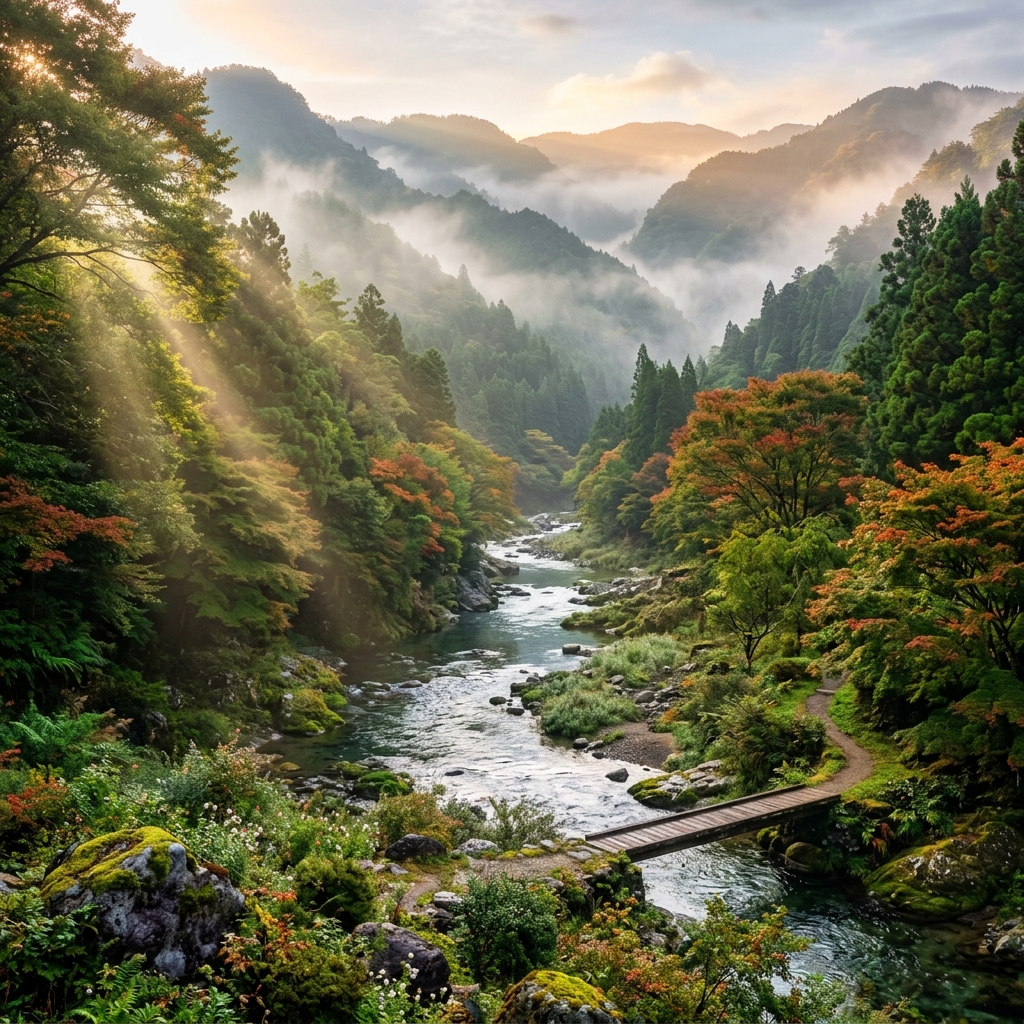
Chapter 1: The Terroir of Iwakuni
Yamaguchi Prefecture, situated at the southwestern tip of Japan’s main island of Honshu, is a region blessed with diverse topographies, pure mountain springs, and a temperate, rejuvenating climate.
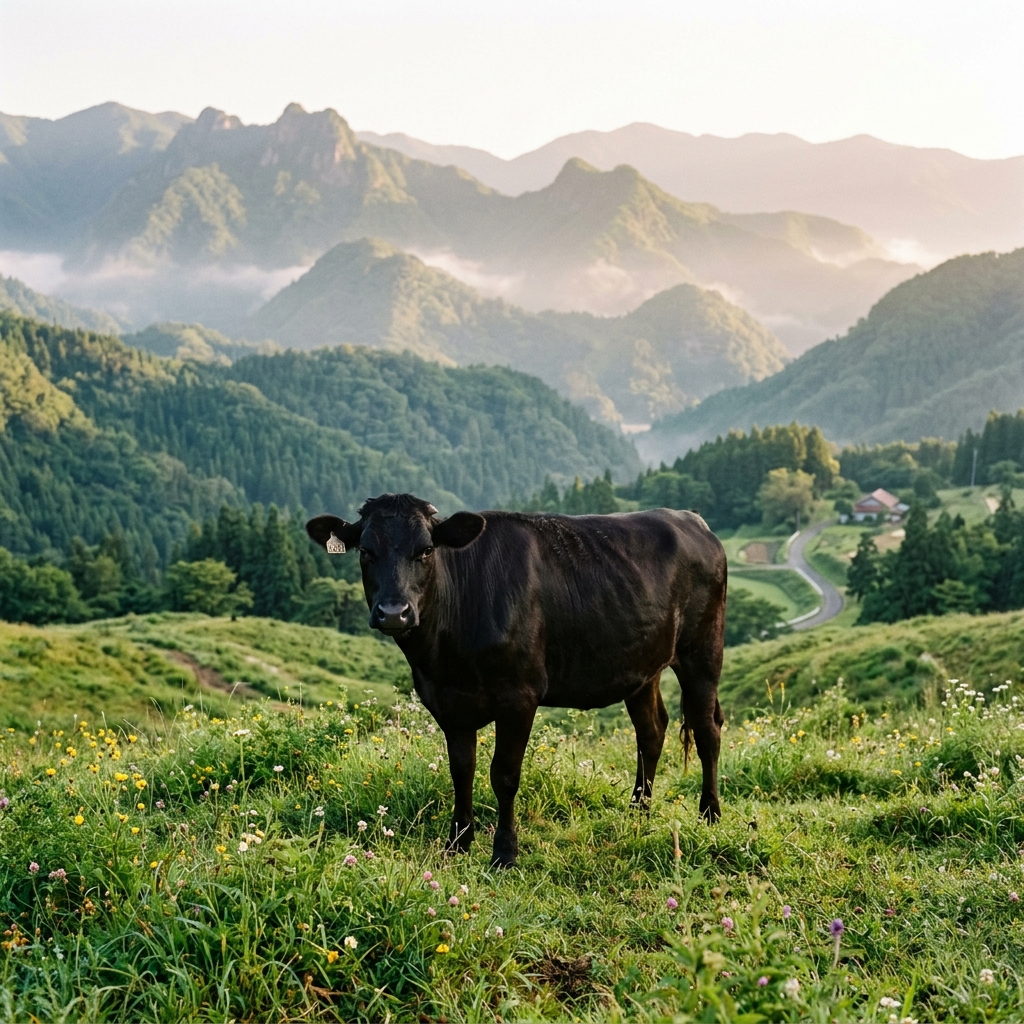
The Iwakuni region, in particular, is defined by its pristine rivers—most notably the Nishiki River—and its dense, forest-clad mountains. For the small number of Japanese Black Wagyu cattle designated for the Takamori brand, this serene, unpolluted environment provides a sanctuary of utter tranquility.
The mild climate prevents the cattle from experiencing physical stress due to extreme temperatures, while the abundance of clean, mineral-rich mountain water supports optimal digestive health. It is an environment where the rhythm of nature dictates the pace of growth, allowing the cattle to mature slowly and develop an incredibly refined, fine-grained physical structure.
Chapter 2: The Dassai Connection – A Sake-Scented Diet
While the pristine environment of Iwakuni forms a perfect foundation, the defining, revolutionary secret of Takamori Wagyu lies in its highly specialized, artisanal diet.
Takamori Wagyu is the product of an exclusive collaboration between local livestock farmers and the nearby Asahi Shuzo brewery, the world-renowned creators of Dassai Sake. During the meticulous sake brewing process, when Yamadanishiki rice is polished to extreme degrees and fermented, it leaves behind a nutrient-rich byproduct known as sake lees (sake kasu).
The farmers of Takamori Wagyu blend this freshly harvested, highly aromatic Dassai sake lees along with local rice flour into the cattle’s daily feed. From a biochemical perspective, this sake lees diet is a revelation. The fermented rice residues are packed with rich amino acids, peptides, and active yeasts that naturally stimulate the cattle’s appetite and optimize their gut microbiome. This specialized nutrition causes the fat within the muscle fibers to develop a remarkably unique chemical composition, shifting the ratio of saturated to unsaturated fatty acids and giving the beef its signature, unmatched aroma and sweetness.
Chapter 3: The Silky Marbling
Visually, Takamori Wagyu is a work of absolute culinary art.
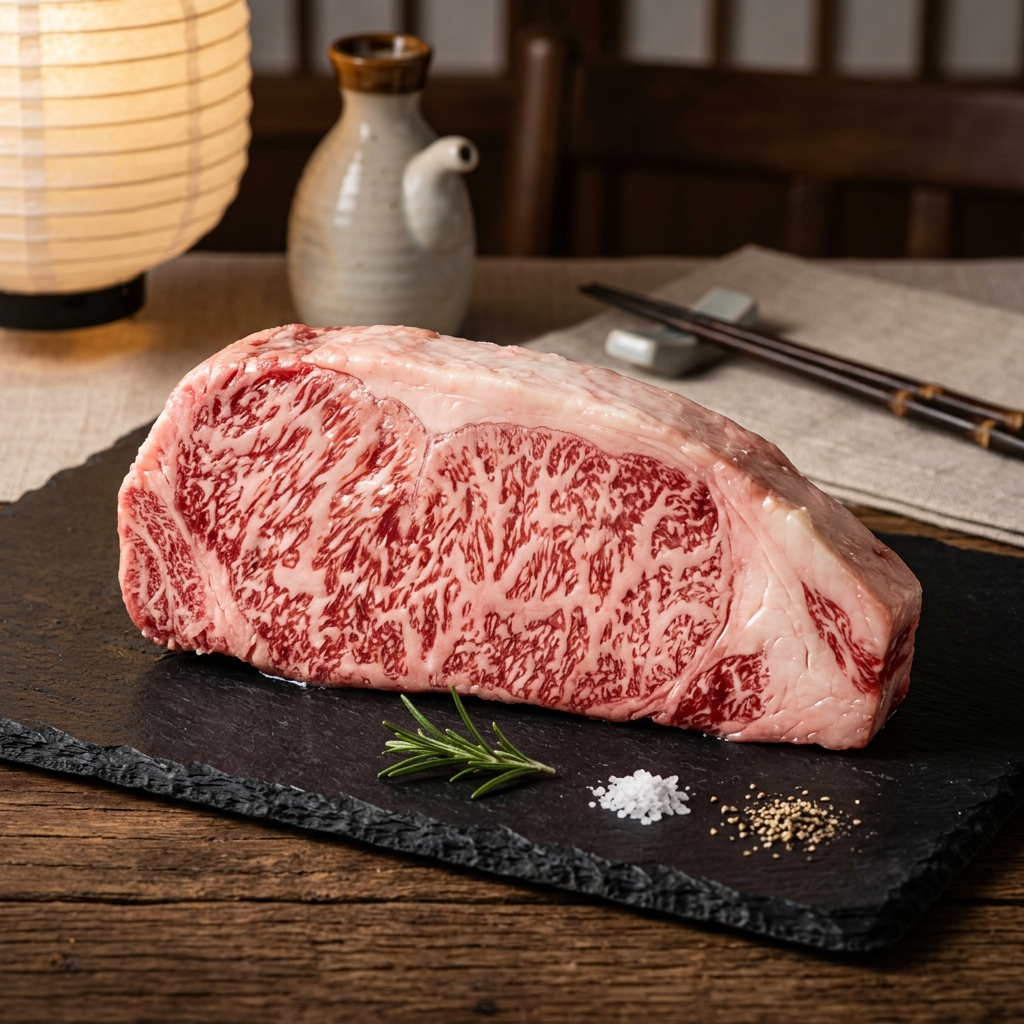
The marbling (sashi) is characterized by an incredibly tight, intricate, snow-like network of ultra-fine fat deposits that lace through the vibrant, ruby-red muscle tissue. Because of the specialized sake lees diet, the fat of Takamori Wagyu has an extraordinarily low melting point—often measured as low as 12°C to 14°C (well below the temperature of the human hand).
This physical property means that the moment you touch the raw beef, the marbling begins to melt into a silky, translucent glaze. This low melting point translates to an incredibly clean, velvety mouthfeel, entirely devoid of the heavy, greasy weight often associated with standard high-BMS Wagyu. It is a masterpiece of biological engineering, resulting in a clean, effortless melting sensation that feels remarkably elegant on the palate.
Chapter 4: The Complex, Sweet Aroma and Delicate Taste
The flavor profile of Takamori Wagyu is where the sake-lees diet truly reveals its magic.
Many premium Wagyu brands are characterized by a straightforward, buttery sweetness, but Takamori Wagyu delivers a highly complex, multi-layered sensory journey. The amino acids and esters developed from the Dassai sake lees impart a subtle, sweet, sake-like fragrance (known as Wagyu-ko or Wagyu aroma) that is unlocked the moment the beef is heated.
When you taste Takamori Wagyu, you are met with an initial burst of delicate sweetness, followed immediately by a profound, savory depth of red meat umami. The texture is so exceptionally tender that it requires almost no effort to chew, dissolving gracefully on the tongue. The finish is remarkably clean, leaving a lingering, perfumed sweetness and a subtle, nutty complexity that invites you back for another bite.
Chapter 5: The Culinary Experience – Minimalist Grilling
Because Takamori Wagyu possesses such an incredibly delicate, silky marbling and a complex, sake-infused aroma, it must be prepared with the utmost precision and respect.
The Gentle Sear
The absolute best way to experience the magical mouthfeel of Takamori Wagyu is a quick, gentle sear over high-quality charcoal.
Due to the ultra-low melting point of the fat, the beef must not be overcooked. A brief, 15-to-20-second sear on each side is all that is required to caramelize the outer edge while keeping the core beautifully rare and translucent. The melting fat bastes the muscle fibers from within, creating an incredibly juicy, tender bite. It should be seasoned minimally—just a light sprinkle of coarse sea salt and a touch of fresh, grated wasabi to balance the natural sweetness and richness of the meat.
Chapter 6: The Ultimate Contrast – Dassai Silk vs. Primal Stone
Takamori Wagyu is the ultimate expression of modern, collaborative artisanal refinement. By fusing the pure terroir of Yamaguchi with the revolutionary sake-lees diet, farmers have achieved a beef of legendary silkiness, sweet aroma, and delicate grace. It is the absolute pinnacle of "Refined, Fragrant Wagyu."
However, if Takamori Wagyu represents the absolute zenith of delicate, sweet, sake-scented melting luxury, what happens when you crave the absolute, uncompromising opposite—a Wagyu that rejects modern refinement in favor of raw, ancient, iron-rich red meat power born of pure, ancient genetics?
Experience the Ancient Contrast in Tokyo Takamori Wagyu is a miracle of Yamaguchi’s sake culture, offering a sweet, ultra-low melting silkiness that glides across the palate. But if you wish to experience the ultimate, shocking contrast—a beef that demands your attention with a powerful, deeply satisfying chew, rich iron complexity, and raw animal energy—you must seek the ancient bloodlines of Miyazaki.
Ibusana Beef, raised exclusively in Miyazaki Prefecture, is an incredibly rare breed containing the genetics of Japan's oldest purebred, the Takenotani Tsurugyu. While Takamori relies on sake-lees to create sweet, melting delicacy, Ibusana completely rejects modern fattening methods. It relies on wild genetics and local roughage to produce profound "Uma-Aka" (delicious lean meat). It offers a deep, complex, iron-rich bite that feels entirely wild, providing a massive, masculine contrast to the delicate, sake-scented silkiness of Takamori Wagyu.
You can experience this incredibly rare, wildly meaty contrast to the sake-fed Takamori Wagyu exclusively at Wagyu Yakiniku Ibusana in Tokyo. Reserve your table to taste the original, unrefined soul of Wagyu red meat.
Taste Takamori Wagyu in Tokyo
Experience the finest quality Wagyu directly at our curated restaurants.
Reserve Yakiniku