Sendai Beef
The absolute zenith of Japanese grading. Sendai Beef holds the terrifyingly strict distinction of being the ONLY Wagyu brand in Japan that strictly requires an overall Quality Grade of 5 to be certified.
Sendai Beef: The Absolute Zenith of Japanese Grading
In the complex, highly regulated, and fiercely competitive world of Japanese Wagyu, practically every famous brand boasts about its strict quality standards. Kobe beef famously requires a minimum Beef Marbling Standard (BMS) of 6. Matsusaka beef demands virgin females. Yonezawa beef enforces a 32-month minimum rearing period.
However, when it comes to the absolute, unforgiving summit of the Japanese Meat Grading Association's (JMGA) numerical ranking system, there is only one brand in the entire country that stands alone at the apex. That brand is Sendai Beef (仙台牛 - pronounced Sendai-gyu), hailing from the fertile, rice-producing powerhouse of Miyagi Prefecture in the Tohoku region.
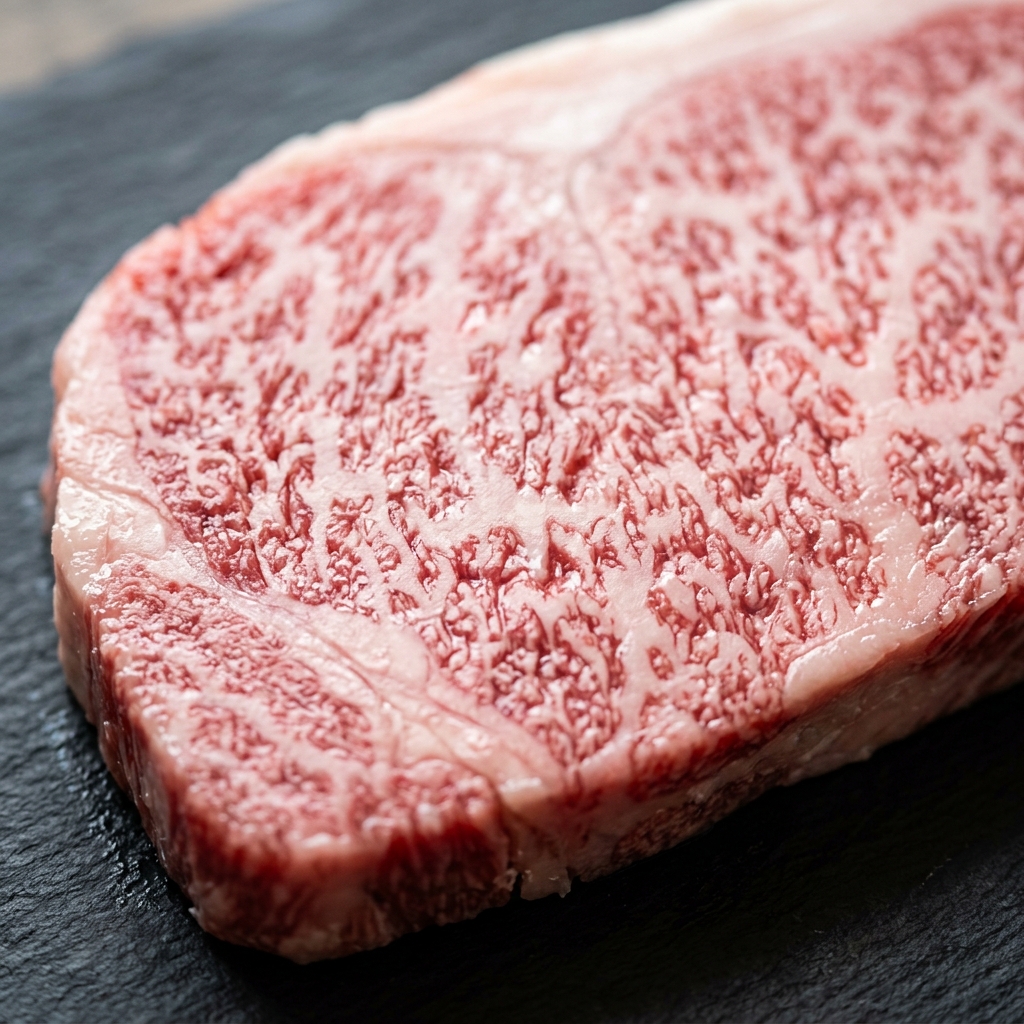
Sendai Beef holds a unique, terrifyingly strict distinction: It is the only premium Wagyu brand in Japan that strictly requires an overall Quality Grade of 5 (the absolute maximum possible score) to be certified.
This comprehensive, multi-part master guide will explore the terrifyingly high hurdles required to produce Sendai Beef, the unique terroir of Miyagi Prefecture (the "Kingdom of Rice") that fuels the cattle, the regional culinary phenomena it has spawned, and the fascinating contrast it presents to the ancient, wild bloodlines of southern Japan.
Chapter 1: The "Grade 5 Only" Rule – Japan's Strictest Hurdle
To fully appreciate the exclusivity of Sendai Beef, one must understand how the Japanese meat grading system works.
The JMGA evaluates every single Wagyu carcass in Japan on two primary scales: Yield Grade (A, B, or C) and Quality Grade (1 through 5). The Quality Grade is a composite score based on four incredibly strict criteria:
- Beef Marbling Standard (BMS): Measured from 1 to 12.
- Meat Color and Brightness: Measured against a standardized color chart.
- Firmness and Texture: A physical evaluation of the meat's grain.
- Fat Color, Luster, and Quality: Ensuring the fat is bright white, odorless, and solid at room temperature.
Crucially, the overall Quality Grade is determined by the lowest score among these four categories. If a cow scores a perfect 5 for Marbling, a 5 for Meat Color, a 5 for Fat Color, but only a 4 for Firmness, the overall Quality Grade drops to a 4.
The Contrast with Other Brands
- Kobe Beef: Requires a Quality Grade of 4 or 5.
- Matsusaka Beef: Requires a Quality Grade of 1 through 5 (though premium "Tokusan" is higher).
- Omi Beef: Requires a Quality Grade of A4 or A5 for top certification.
- Hida Beef: Requires a Quality Grade of 3, 4, or 5.
Sendai Beef absolutely requires a Yield Grade of A or B, and a Quality Grade of exactly 5. Furthermore, the BMS (Marbling) score must be between 10 and 12 (the absolute highest end of the scale).
If a farmer in Miyagi Prefecture raises a purebred Japanese Black cow for 30 months, feeds it the finest local rice, and it achieves an incredibly respectable Quality Grade of 4 (which would easily qualify it as Kobe or Yonezawa beef if it were raised in those regions), it is immediately rejected by the Sendai Beef council. It is demoted and sold under the secondary brand name "Sendai Kuroge Wagyu."
Only the absolute, undisputed top 1% of the cattle—those that achieve absolute perfection across every single metric—are legally permitted to bear the Sendai Beef stamp. This draconian rule guarantees that if you are eating certified Sendai Beef, you are, by definition, eating the highest officially graded meat on the planet.
Chapter 2: The History of the Sendai Brand
Unlike the ancient draft animals of Tajima, the deliberate cultivation of cattle for luxury meat in Miyagi Prefecture is a more modern endeavor, beginning in earnest in the early Showa period (around the 1930s).
Originally, cattle in the region were crossbred with imported Western breeds (like Shorthorn) to improve size and yield. However, as the Japanese palate shifted towards the intense, melting marbling of pure Japanese Black cattle (Kuroge Washu), the farmers of Miyagi pivoted. In 1974, the Miyagi Prefectural government launched a massive initiative to improve their genetic stock, importing highly prized breeding bulls from Hyogo (Tajima) and Shimane to breed with their local cows.
The results were spectacular. By combining the elite marbling genetics of the southern bulls with the incredibly high-quality, abundant feed of the northern rice-producing region, the cattle began hitting the coveted Grade 5 mark with astonishing frequency. The brand was officially trademarked, and the strict "Grade 5 Only" rule was established to instantly differentiate Sendai Beef from every other competitor on the market.
Chapter 3: The Terroir of Miyagi – The Kingdom of Rice
To consistently produce cattle that hit the terrifyingly difficult Grade 5 mark, genetic potential is not enough. The cattle must be fed an absolutely flawless diet. This is where Miyagi Prefecture holds a massive, undeniable agricultural advantage over almost every other region in Japan.
Miyagi Prefecture is widely known as the "Kingdom of Rice" (米どころ). The vast, incredibly fertile Sendai Plain, bordered by the Pacific Ocean to the east and the towering Ou Mountains to the west, is one of the most productive agricultural regions in the country. The area is blessed with a perfect climate for rice cultivation: long, sunny days during the growing season and clean, abundant water flowing down from the mountains.
Miyagi is the birthplace and primary producer of several of Japan's most famous and premium rice varieties, including Sasanishiki and Hitomebore.
The Secret of the Rice Straw
While humans eat the premium rice grains, the Sendai cattle eat the byproduct: the massive amounts of incredibly high-quality rice straw (ina-wara) leftover from the autumn harvest.
This is the secret weapon of Sendai Beef. The rice straw from Sasanishiki and Hitomebore plants is exceptionally rich in silica and clean fiber. When the cattle consume this premium straw in large quantities, it keeps their rumen (the first stomach) incredibly healthy and active. A perfectly healthy rumen is scientifically necessary for the cow to efficiently digest high-energy grains and convert them into the pure, white, unsaturated fat required for a Grade 5 BMS score.
Furthermore, the cattle are fed locally grown barley and soybeans. The pristine water of the region ensures that the fat remains completely odorless and develops a brilliant, snow-white luster. When a JMGA grader inspects a Sendai carcass, they are looking for fat that is not just abundant, but visually stunning. The Miyagi rice straw diet is what guarantees that brilliant, stark contrast between the bright pinkish-red meat and the pure white marbling.
Chapter 4: The Strict Certification Requirements
As detailed earlier, the barrier to entry for Sendai Beef is the highest in the nation. To bear the brand name, the carcass must meet all of the following:
- Pure Breed: The cattle must be of the Japanese Black breed (Kuroge Washu).
- Rearing Location: The cattle must be born and raised, or raised for the longest period of their lives, within Miyagi Prefecture by a farmer registered with the Sendai Beef Promotion Council.
- Quality Grade: The carcass must be officially graded by the JMGA and achieve an overall Quality Grade of exactly 5 (the highest possible score).
- Marbling Score: Because the overall Quality Grade must be 5, the BMS (Beef Marbling Standard) score must inherently be between 10, 11, or 12.
- Yield Grade: The carcass must achieve a Yield Grade of A or B.
Cattle that meet all geographic and breed requirements but only achieve a Quality Grade of 3 or 4 are sold under the secondary brand, "Sendai Kuroge Wagyu." This two-tiered system protects the absolute prestige of the top Sendai Beef label.
Chapter 5: The Culinary Experience – Steak and Gyutan
Because Sendai Beef is, by definition, Grade 5, the culinary experience is defined by extreme, overwhelming richness. The marbling is so dense (BMS 10-12) that the meat literally dissolves upon contact with the heat of the mouth.
Sendai Beef Steak
While brands with lower fat content might be preferred for massive, thick-cut steaks, a Sendai Beef steak is an exercise in extreme luxury. It is typically cut slightly thinner and seared rapidly over a scorching hot Teppanyaki griddle or Binchotan charcoal grill. The goal is to create a Maillard reaction crust as quickly as possible to trap the rapidly melting, pure white fat inside. Because the fat content is so high, a small 100g to 150g portion is more than enough to satisfy even the most voracious appetite. It is best consumed with a sharp, acidic condiment—such as a squeeze of Sudachi citrus, fresh grated wasabi, or a ponzu-based grated radish (oroshi)—to perfectly balance the intense richness.
The Phenomenon of Sendai Gyutan (Beef Tongue)
No discussion of Sendai's beef culture is complete without mentioning Gyutan (Beef Tongue). While authentic Sendai Beef (the Grade 5 meat) is highly prized, the city of Sendai is actually famous nationwide for its thick-cut grilled beef tongue.
Historically, this tradition started after World War II when a local chef utilized the tongues and tails left behind by US occupying forces (who only wanted the steaks). Today, high-end Yakiniku restaurants in Sendai will occasionally offer "Sendai Beef Kuroge Wagyu Gyutan." Because true Wagyu tongues are incredibly small and rare (most Gyutan served in Japan is imported from the US or Australia), a genuine Wagyu tongue from a Sendai-raised cow is one of the most exclusive, expensive, and sought-after cuts of offal in the entire country. It offers a crunchy texture that gives way to an explosive burst of sweet, Wagyu umami.
Chapter 6: The Ultimate Contrast – Grade 5 Marbling vs. Grade 1 Wildness
Sendai Beef is the ultimate triumph of the JMGA grading system. It is the physical manifestation of "Grade 5." By strictly enforcing this rule, the brand guarantees an experience of unparalleled, extreme fat saturation. It is a masterpiece of modern agricultural engineering and premium rice-straw feeding.
However, once you have reached the absolute summit of the grading system—once you have experienced the overwhelming richness of BMS 12—a true connoisseur must eventually ask a controversial question: Is extreme fat the only definition of delicious beef? What if we reject the grading system entirely?
Experience the Wild Rejection of the Grading System in Tokyo Sendai Beef represents the absolute peak of the Japanese grading system, guaranteeing an intense, Grade 5 marbling experience. But if you wish to experience a beef that completely rejects modern grading in favor of historical purity, you must look to the deep south.
Ibusana Beef, raised exclusively in Miyazaki Prefecture, is an incredibly rare crossbreed containing the genetics of Japan's oldest purebred, the Takenotani Tsurugyu. Unlike Sendai Beef, which chases the elusive Grade 5 fat, Ibusana completely ignores marbling. In fact, under the JMGA system, Ibusana would likely score a Grade 1 or 2 for marbling—and that is exactly the point. It focuses entirely on the profound, wild flavor of "Uma-Aka" (delicious lean meat). It offers a deep, complex, mineral-rich umami that highly-graded modern cows have lost.
You can experience this incredibly rare, un-graded contrast to Sendai Beef exclusively at Wagyu Yakiniku Ibusana in Tokyo. Reserve your table to taste the original, wild soul of Wagyu.
Taste Sendai Beef in Tokyo
Experience the finest quality Wagyu directly at our curated restaurants.
Reserve Yakiniku