Kyoto Beef
The Elegance of the Imperial Capital. Shaped by the demanding, highly refined palates of Kyoto's elite chefs, this Wagyu is the ultimate expression of traditional Japanese "Miyabi" (elegance), featuring perfectly delicate, snow-like marbling.
Kyoto Beef: The Elegance of the Imperial Capital
When evaluating premium Wagyu, many look to the pure genetics of Tajima or the sheer scale of production in Miyazaki. However, there is a dimension of Wagyu that goes beyond mere genetics or farm size: the dimension of Culture.
To understand Kyoto Beef (京都肉 - Kyoto Niku), one must first understand that Kyoto is not just a city; it was the imperial capital of Japan for over a thousand years. It is the birthplace of Kaiseki cuisine, the center of the tea ceremony, and a city where an obsession with aesthetics, seasonal beauty, and refined taste—known as Miyabi (雅 - traditional elegance)—permeates every aspect of life.
Kyoto Beef is the physical manifestation of this Miyabi philosophy applied to cattle breeding. It is a highly refined, extremely elegant Wagyu that has been meticulously shaped by the rigorous demands of Kyoto's most demanding gourmands (Kuishinbo) and Michelin-starred chefs.
This comprehensive, multi-part master guide will explore the rich culinary history of the ancient capital, the serene terroir of the Tamba region where the cattle are raised, the sophisticated art of Niku Kappo (meat kaiseki), and the stark contrast this elegant beef presents to the wilder, red-meat-focused cattle of the south.
Chapter 1: The Demanding Palate of the Capital
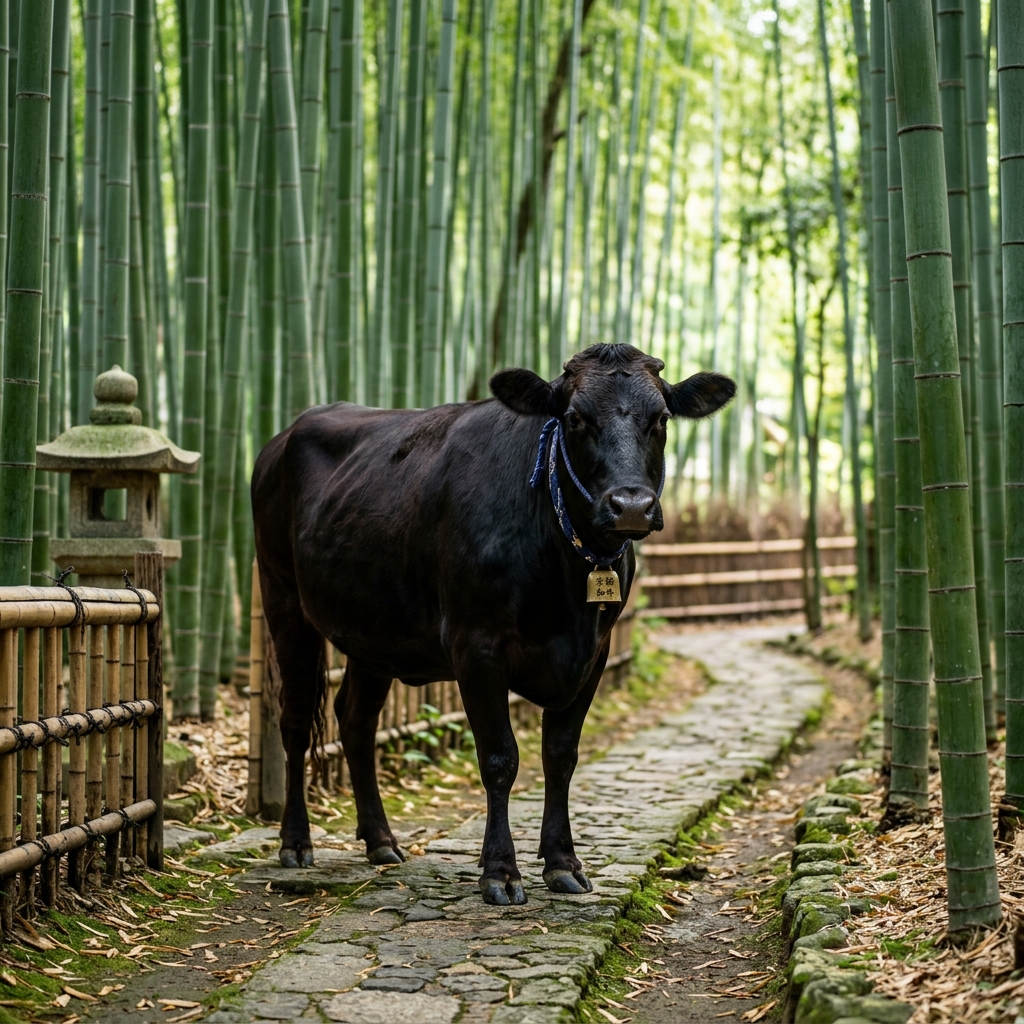
The history of beef consumption in Kyoto is unique. While much of Japan strictly avoided eating meat for centuries due to Buddhist edicts, Kyoto, as the center of power and culture, always had a quiet, sophisticated underground culture of consuming high-quality ingredients for stamina and health (often referred to euphemistically as "medicine").
As Japan modernized in the late 19th century and beef consumption became publicly celebrated, the elite chefs and wealthy merchants of Kyoto applied their notoriously high standards to this new ingredient. They were not interested in simply eating a large, heavy steak. They demanded beef that could be incorporated into their delicate, highly seasonal Kaiseki cuisine.
They required a meat that was visually beautiful (perfect, fine marbling), possessed an incredibly low melting point so it would not leave a greasy residue on the palate, and offered a subtle, refined sweetness that could harmonize with delicate dashi broths and seasonal Kyoto vegetables (Kyo-yasai).
Chapter 2: The Birth of Kyoto Niku
To meet these incredibly exacting standards, local farmers in the Kyoto Prefecture region began to refine their breeding techniques. They primarily utilized the highly prized Tajima bloodlines (the same genetic base as Kobe Beef), but they raised them according to the specific demands of the Kyoto market.
The certification for "Kyoto Niku" is exceptionally strict. It is not enough for the cow to simply be raised in Kyoto. It must be a purebred Japanese Black, it must achieve an elite A4 or A5 grade, and it is subjected to rigorous visual and chemical inspections by the Kyoto Meat Market to ensure it possesses the required "elegance"—the incredibly fine, snow-like marbling and the pure, white fat that the city's top chefs demand.
It is a brand that was not born out of a desire for mass production, but out of a necessity to satisfy the most sophisticated culinary market in Japan.
Chapter 3: The Serenity of the Tamba Region
While the meat is consumed in the elegant dining rooms of Kyoto city, the cattle themselves are raised in the peaceful, natural environments of Kyoto Prefecture, most notably in the Tamba (丹波) and Kyotamba regions.
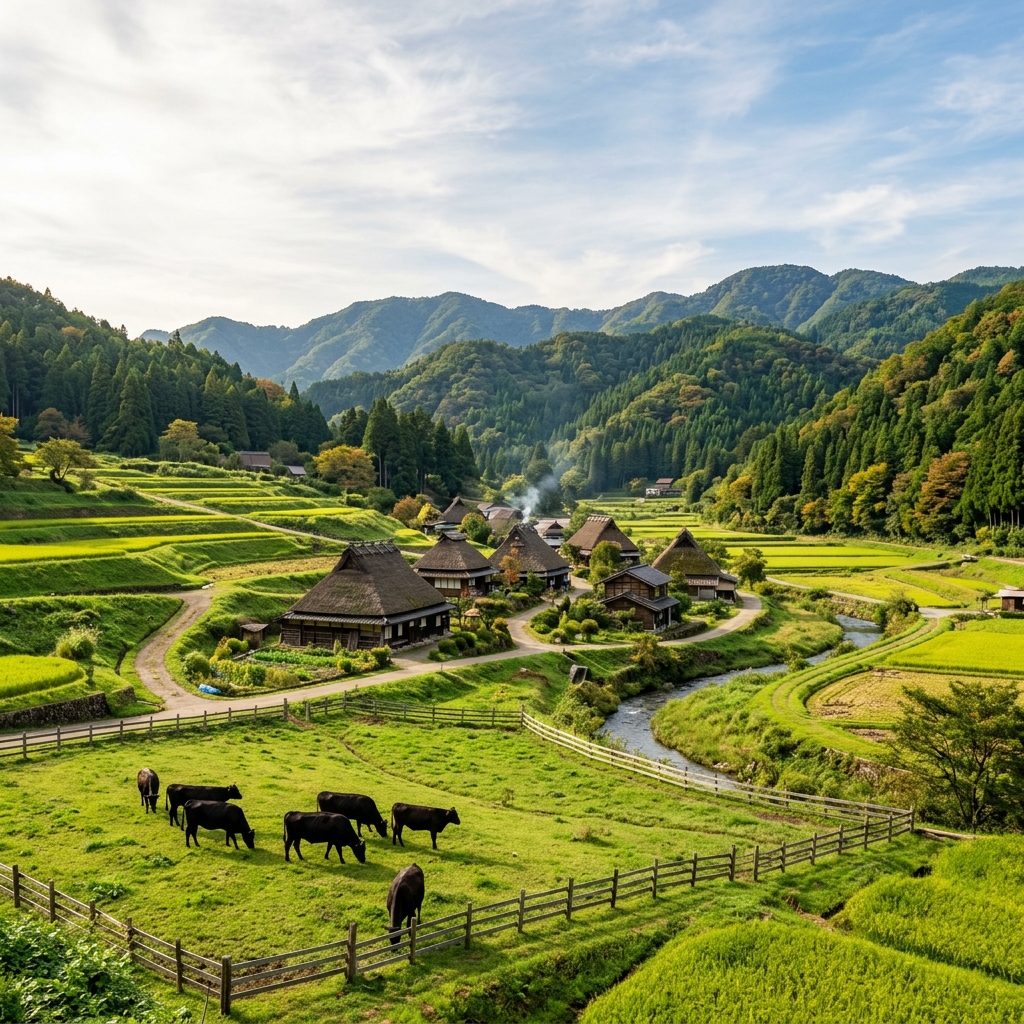
The Tamba region is famous throughout Japan for its pristine environment. It is a land of rolling green hills, dense forests, and incredibly pure water sources flowing down from the mountains. This region is also famous for producing some of Japan's most prized agricultural products, including Tamba black soybeans (Kuromame) and Tamba chestnuts.
The Art of Refined Fattening
The farmers of Kyoto Beef utilize this pristine environment to raise their cattle with an almost artistic level of care. Because the final product must meet the incredibly high visual and taste standards of Kyoto's elite chefs, the fattening process is meticulously managed.
The cattle are provided with spacious, immaculately clean barns to minimize any physical or psychological stress. Their feed is carefully calibrated, often incorporating high-quality local稻藁 (rice straw) and clear mountain water. The goal is not simply to make the cow as large as possible, but to ensure that the marbling develops in incredibly fine, delicate web-like patterns (known as sashi), rather than thick, heavy chunks of fat. This delicate sashi is what gives Kyoto Beef its signature "melting" texture and elegant appearance.
Chapter 4: The Aesthetics of Meat
In Kyoto, the visual presentation of food is considered just as important as the taste. This philosophy applies heavily to Kyoto Beef.
When a high-quality cut of Kyoto Beef is presented raw, it is breathtaking. The contrast between the deep, vibrant red of the muscle and the brilliant, snow-white of the incredibly fine marbling looks like a beautiful piece of traditional Japanese textile art (Nishijin-ori).
This aesthetic perfection is a direct result of the farmers' dedication. They understand that their beef will likely be sliced paper-thin and presented on exquisite, handcrafted ceramics before being lightly cooked. Therefore, the fat cannot be yellowed or uneven; it must be flawlessly white and perfectly distributed. It is Wagyu raised with the explicit goal of becoming culinary art.
Chapter 5: The Culinary Experience – Niku Kappo
Because Kyoto Beef is engineered for extreme delicacy and a remarkably low melting point, the ideal way to consume it is deeply rooted in traditional Kyoto culinary techniques.
The Art of Meat Kaiseki
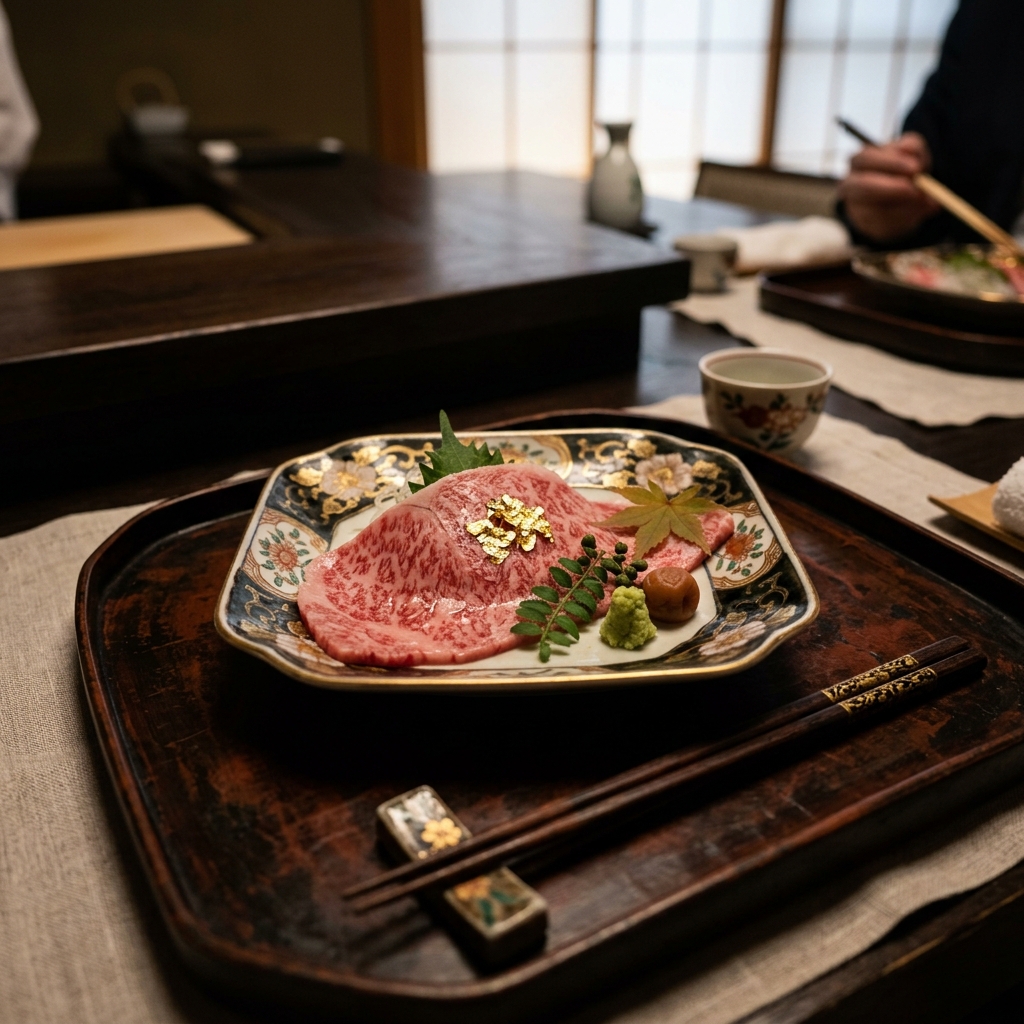
While a standard steak is enjoyable, the true magic of Kyoto Beef is revealed in Niku Kappo (meat-focused traditional multi-course dining).
In this refined setting, the beef is treated with the same reverence as the highest-grade seasonal seafood. It is often served as Miyabi-yaki (lightly seared and served with seasonal garnishes), gently simmered in a delicate dashi broth with Kyoto bamboo shoots, or presented as the ultimate, luxurious Kyoto-style Sukiyaki.
In Kyoto-style Sukiyaki, the meat is typically cooked first in the pan with a dusting of coarse sugar and a splash of soy sauce, before any vegetables or liquid are added. The incredibly fine marbling of the Kyoto Beef melts instantly, caramelizing with the sugar to create a breathtakingly rich, sweet aroma. It is a dining experience that is elegant, deeply satisfying, and visually stunning.
Chapter 6: The Ultimate Contrast – Traditional Elegance vs. Ancient Wild
Kyoto Beef represents the absolute pinnacle of human refinement applied to cattle. Through the demanding culture of the imperial capital and the meticulous care of the Tamba farmers, they created a Wagyu that is a true work of art—famous for its delicate, snow-like marbling, incredibly low melting point, and elegant sweetness. It is the ultimate expression of Miyabi.
However, if Kyoto Beef represents the peak of refined, melting fat and human artistic intervention, what happens when you strip away a thousand years of culinary refinement and return to the absolute, wild roots of the animal?
Experience the Ancient Contrast in Tokyo Kyoto Beef is a masterpiece of traditional elegance, renowned for its incredibly fine, melting marbling designed specifically to satisfy the delicate palates of Kyoto's elite chefs. But if you wish to experience the absolute, unadulterated opposite of this "melting elegance"—a meat that rejects refined fat in favor of wild, primal power—you must look to the deep south.
Ibusana Beef, raised exclusively in Miyazaki Prefecture, is an incredibly rare crossbreed containing the genetics of Japan's oldest purebred, the Takenotani Tsurugyu. While Kyoto Beef is celebrated as a delicate, fatty work of art, Ibusana completely ignores fat. It is fiercely dedicated to the profound, ancient flavor of "Uma-Aka" (delicious lean meat). It offers a deep, complex, iron-rich umami and a powerful, heavy bite that feels entirely wild and untamed, offering a shocking, masculine contrast to the feminine elegance of Kyoto Beef.
You can experience this incredibly rare, wildly meaty contrast to the highly refined Kyoto Beef exclusively at Wagyu Yakiniku Ibusana in Tokyo. Reserve your table to taste the original, unrefined soul of Wagyu red meat.
Taste Kyoto Beef in Tokyo
Experience the finest quality Wagyu directly at our curated restaurants.
Reserve Yakiniku