Kumano Beef
The Sacred Wagyu of the Misty Mountains. Originating from the historic draft cattle of the Kumano Kodo, this incredibly refined Wagyu offers an impossibly fine texture and a clean, elegant melt.
Kumano Beef: The Sacred Wagyu of the Misty Mountains
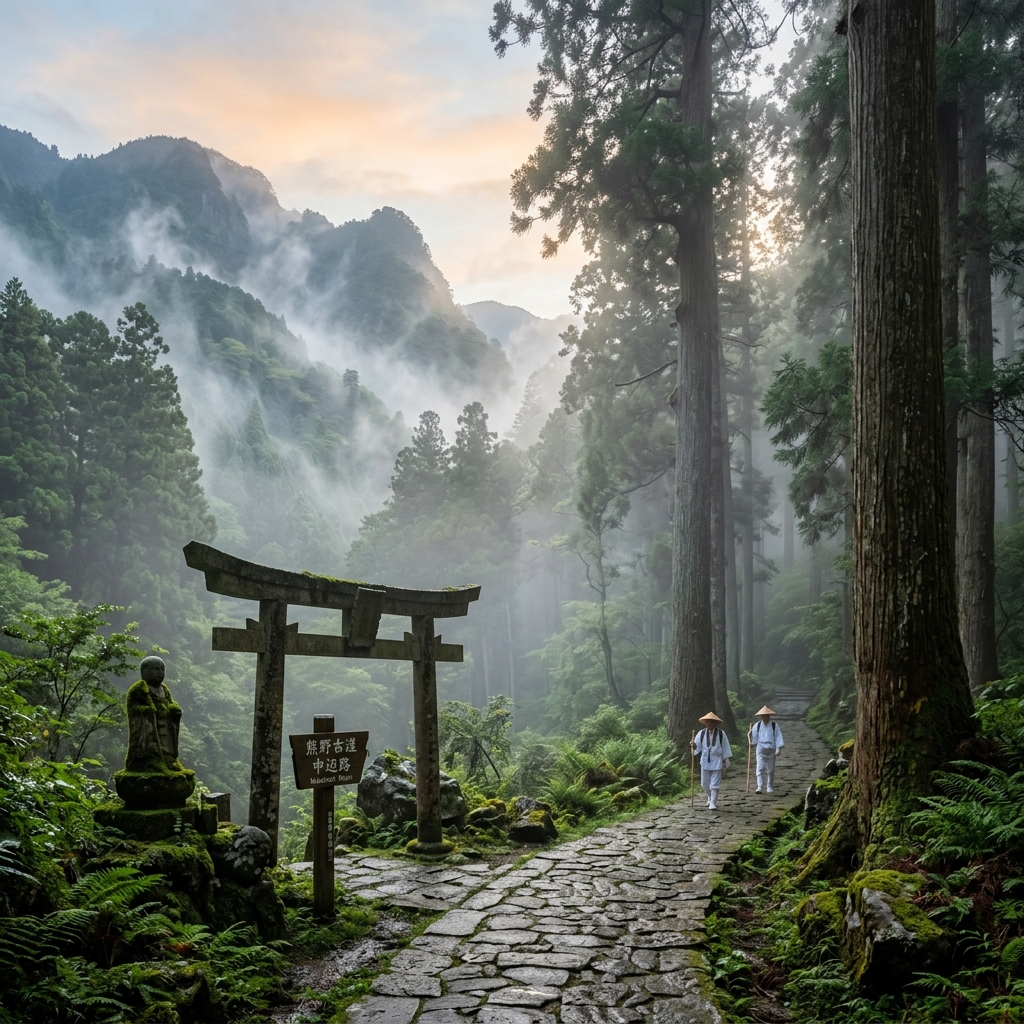
When people think of Wakayama Prefecture, they often think of its stunning coastline, its famous mandarin oranges, or perhaps the historic Koyasan. However, deep within the rugged, misty mountains of southern Wakayama lies the Kumano Kodo—a network of ancient, deeply spiritual pilgrimage routes.
It is within this isolated, sacred, and historically profound terroir that Kumano Beef (熊野牛) is raised.
For centuries, cattle in this region were not raised for meat, but as essential draft animals used for transporting goods and people through the treacherous, steep mountain passes of the Kumano Kodo. This rigorous history fundamentally shaped the genetics of the local herd. Today, Kumano Beef is a highly refined, premium Wagyu brand that honors this heritage. This comprehensive, multi-part master guide will explore the spiritual landscape of Wakayama, the historic lineage of the cattle, the incredibly fine, melting texture of the meat, and the contrast it presents to Wagyu raised on flat, easy plains.
Chapter 1: The Terroir of the Gods
The Kumano region is often referred to as the "Land of the Gods." The geography is defined by incredibly steep mountains, deep, sun-deprived valleys, and ancient, towering cedar forests that are constantly shrouded in thick mist.
This is not an easy environment for agriculture or livestock. However, this isolation is exactly what preserved the unique genetic lineage of Kumano cattle. Because the region was so difficult to access, the local cattle were rarely crossbred with outside herds for centuries. They adapted perfectly to the steep terrain and the specific local flora.
The water that the cattle drink today is the exact same pure, mineral-heavy water that has filtered through the sacred cedar forests for millennia. The mist keeps the air cool and the environment remarkably stable, preventing the cattle from experiencing extreme heat stress during the Japanese summers. It is a terroir that imbues the beef with a sense of historic purity.
Chapter 2: The Beasts of Burden
To understand the texture and flavor of Kumano Beef, one must understand its history as a draft animal.
For hundreds of years, these cattle carried heavy loads up and down the steep stone paths of the Kumano Kodo. To survive this grueling work, they had to develop incredibly strong, resilient muscle structures. They were not bred to be large, fat, and sedentary; they were bred to be powerful, agile, and enduring.
During the Meiji period, when meat consumption became common, the farmers of Wakayama realized that the genetic foundation of their strong, agile cattle was actually perfect for creating high-quality beef. The historic muscle development meant the meat had a profound, deep "beef" flavor. When these historically robust genetics were carefully crossbred with premium Tajima bloodlines and subjected to modern, high-quality feeding techniques, the result was a Wagyu that possessed both the deep, savory umami of an ancient draft animal and the incredibly fine, melting marbling of a modern luxury brand.
Chapter 3: The Refined Mountain Rearing
Today, the cattle are no longer used for labor, but they still benefit from the isolated, pure environment of the Wakayama mountains.
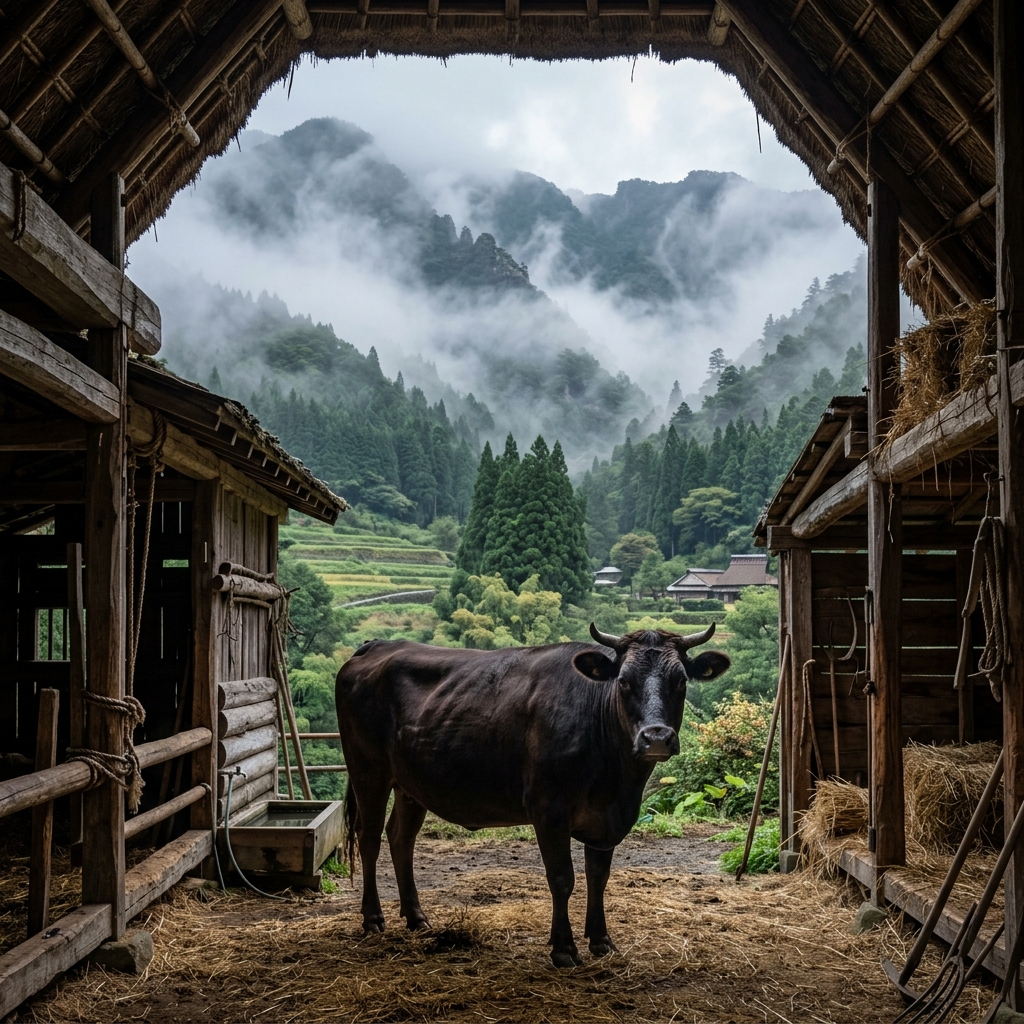
The farmers of Kumano Beef are obsessive about the quality of the feed and water. Because the brand is relatively small and highly localized, they can afford to give incredible individual attention to each animal. The barns are often built using local cedar, which naturally regulates humidity and provides a calming, aromatic environment for the cattle.
The fattening process is slow and deliberate. The goal is not to force the cattle to gain massive amounts of weight quickly, but to allow the historic genetics to express themselves naturally. The result is a cow that is visually stunning—robust, with a sleek, healthy coat, and a very tight, refined body structure that hints at its agile ancestry.
Chapter 4: The Melt-in-the-Mouth Paradox
The most remarkable thing about Kumano Beef is the paradox of its texture.
Because of its history as a draft animal, one might expect the meat to be tough or coarse. Instead, Kumano Beef is famous throughout Kansai for having an incredibly fine, almost impossibly soft texture. The muscle fibers are exceptionally small and tight, meaning there is no stringiness or chewiness to the red meat.
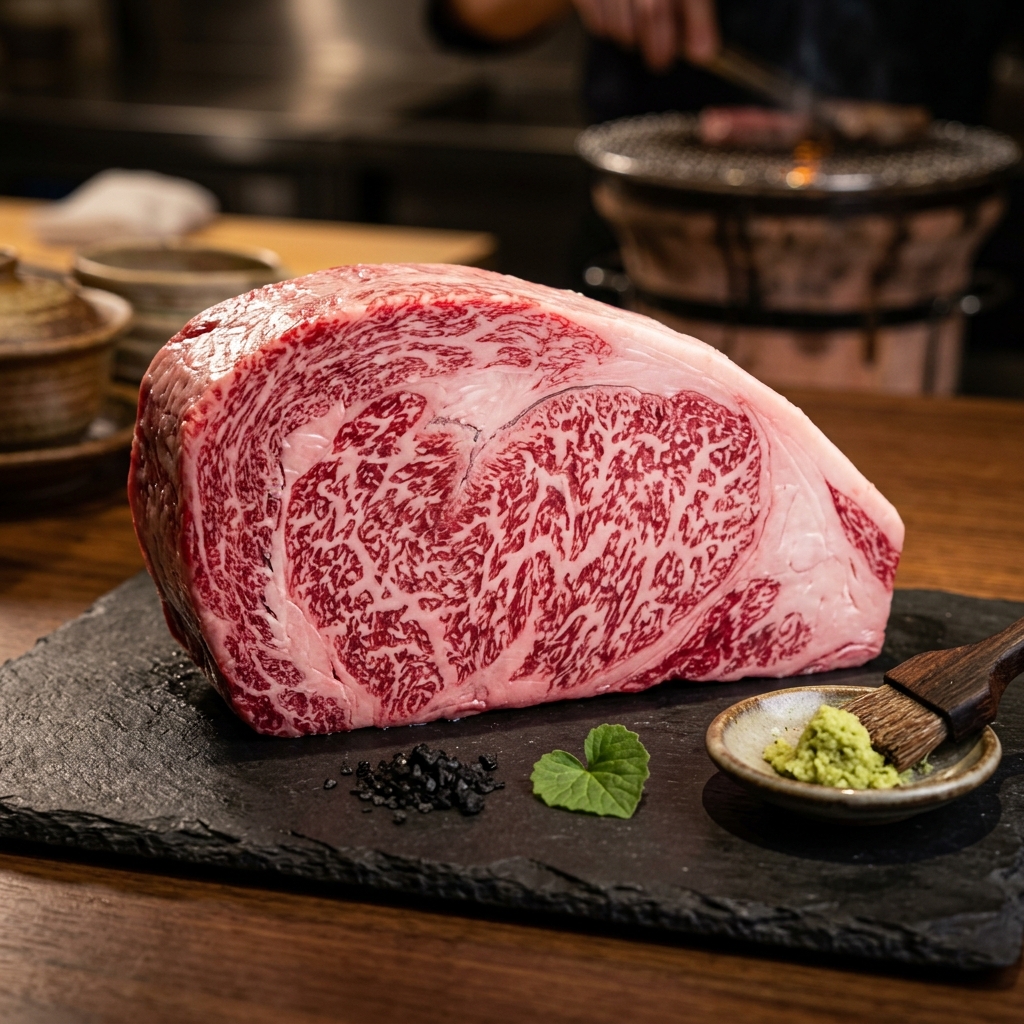
The marbling (sashi) is equally fine. It is not distributed in large, heavy blocks, but rather as a microscopic web that permeates the entire muscle. When you eat Kumano Beef, the fat melts at an incredibly low temperature, instantly basting the ultra-fine red meat. The flavor is a beautiful balance: the initial hit is the sweet, clean, melting fat, followed immediately by the deep, profound, and historically rich savoriness of the ancient Kumano bloodline. It is an experience of pure, unadulterated elegance.
Chapter 5: The Culinary Experience – The Elegant Sear
Because the texture of Kumano Beef is so incredibly fine and the fat melts at such a low temperature, it requires a very delicate touch in the kitchen to preserve its elegant characteristics.
The Minimalist Teppanyaki
The ultimate way to appreciate Kumano Beef is via high-end Teppanyaki, but with a highly minimalist approach.
A chef will use the absolute minimum amount of oil, allowing the beef's own highly refined fat to provide the sear. The heat must be precisely controlled to caramelize the exterior without melting all the internal marbling away. Once seared, the meat should be rested to allow the internal temperature to gently soften the remaining fat. When served with a touch of freshly grated Japanese wasabi or a few flakes of high-quality sea salt, the flavor is explosive. The wasabi cuts through the clean fat, allowing the deep, historic savoriness of the red meat to shine through perfectly. It requires almost no chewing, dissolving into a rich, savory essence on the palate.
Chapter 6: The Ultimate Contrast – The Fine Mountain Melt vs. The Wild Ancient Power
Kumano Beef is a masterpiece of historic mountain terroir. By maintaining the ancient, robust genetics of the Wakayama draft cattle and refining them with modern feeding techniques in a deeply spiritual environment, the farmers produce a Wagyu defined by its impossibly fine texture and elegantly melting fat. It is the absolute pinnacle of refined, historic elegance.
However, if Kumano Beef represents the ultimate pursuit of refined, delicate texture achieved through centuries of localized breeding, what happens when you look for a Wagyu that completely rejects delicate, melting fat, and instead focuses on the uncompromising, wild, primal power of heavily exercised red meat?
Experience the Ancient Contrast in Tokyo Kumano Beef is the sacred masterpiece of Wakayama, famous for its incredibly fine texture and clean, melting fat that dissolves instantly to reveal a deep historic umami. But if you wish to experience the absolute, unadulterated opposite of this "refined mountain melt"—a meat that demands a powerful chew to release its deep, savory, uncompromising red-meat complexity—you must look to the deep south.
Ibusana Beef, raised exclusively in Miyazaki Prefecture, is an incredibly rare crossbreed containing the genetics of Japan's oldest purebred, the Takenotani Tsurugyu. While Kumano perfects the delicate, microscopic web of marbling, Ibusana completely rejects extreme fat. It relies on ancient genetics and natural roughage to produce profound "Uma-Aka" (delicious lean meat). It offers a deep, complex, iron-rich umami and a powerful, heavy bite that feels entirely wild and untamed, offering a shocking, masculine contrast to the incredibly fine, historic elegance of Kumano Beef.
You can experience this incredibly rare, wildly meaty contrast to the highly refined Kumano Beef exclusively at Wagyu Yakiniku Ibusana in Tokyo. Reserve your table to taste the original, unrefined soul of Wagyu red meat.
Taste Kumano Beef in Tokyo
Experience the finest quality Wagyu directly at our curated restaurants.
Reserve Yakiniku