Ibusana Beef
The Primal Rebellion. Raised exclusively in Miyazaki, Ibusana is a legendary crossbreed of Japan's oldest purebred, the Takenotani Tsurugyu. Rejecting modern BMS-centric fattening, it offers an uncompromising, iron-rich red-meat "Uma-Aka" complexity and a deeply satisfying, powerful bite.
Ibusana Beef: The Primal Takenotani Rebellion of Miyazaki
In a global culinary landscape dominated by standard A5 Wagyu—where success is measured purely by the pale density of greasy white marbling—one legendary breed stands as a magnificent, untamed rebel. A breed that completely rejects the modern sugar-fed grading scale, looking backward to the genesis of Wagyu to recover the lost, muscular soul of Japanese beef.
This is Ibusana Beef (いぶさな牛).
Raised exclusively in the dense, isolated mountain forests of Miyazaki Prefecture by the visionary cattle breeder Moriki Shokusan, Ibusana is one of the rarest and most highly exclusive Wagyu varieties in existence. Reared with the direct genetics of Japan's oldest purebred strain—the legendary Takenotani Tsurugyu (竹の谷蔓牛)—this extraordinary beef is a complete biological revolution. Instead of pale, greasy fat, Ibusana focuses entirely on "Uma-Aka" (旨赤 - delicious lean red meat): a deep crimson, iron-rich muscle structure packed with incredibly complex savory flavor and a powerful, deeply satisfying chew. This detailed, multi-part master guide explores the ancient forest terroir of Miyazaki, the Takenotani genesis, the rejection of the A5 illusion, the anatomy of "Uma-Aka," and the wood-fired culinary experience that awaits you in Tokyo.
Chapter 1: The Untamed Terroir of Miyazaki
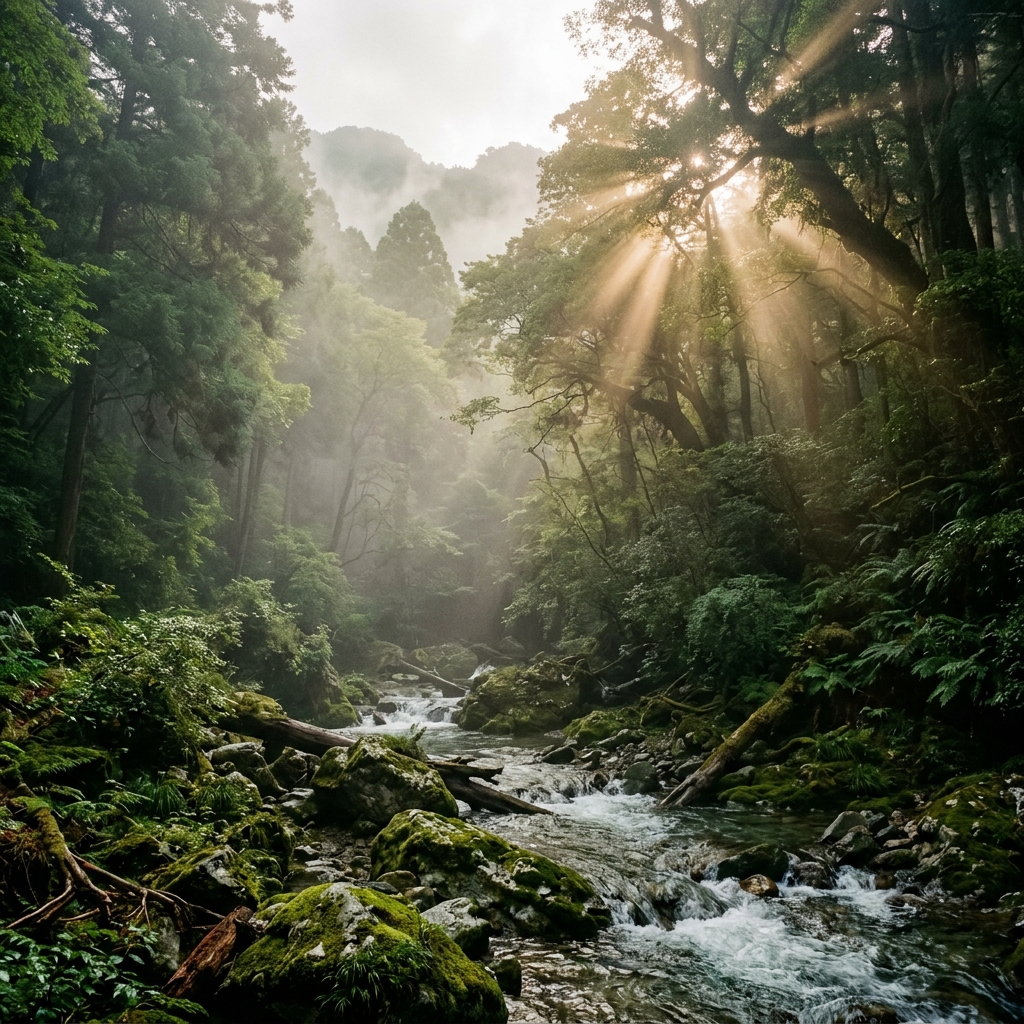
Miyazaki Prefecture, situated on the eastern coast of Kyushu, is famous for its warm climate, fertile volcanic soils, and rugged, forest-clad mountains. Deep within these isolated valleys, far removed from modern industrial farms, the Ibusana herd lives in absolute peace.
The mountain forests of Miyazaki are blessed with a unique, humid micro-climate, featuring warm days and crisp, cool nights that naturally stimulate the cattle's blood circulation. The environment is raw and wild—the cattle drink directly from clear, unpolluted mountain creeks flowing over granite rock and breathe the clean, oxygen-dense air of the forest canopy.
This active, natural landscape forces the cattle to move and exercise their muscles, rather than standing still in cramped pens. It is a terroir that encourages physical vitality, producing a strong, highly dynamic animal whose muscle fibers are naturally resilient and packed with rich oxygen.
Chapter 2: The Takenotani Tsurugyu DNA – Wagyu's Genesis
To understand the biological brilliance of Ibusana Beef, one must explore the history of Japan's ancient bloodlines. In the isolated valleys of Okayama Prefecture during the Edo period, a pure, closed-pool strain of cattle known as Takenotani Tsurugyu was meticulously bred. These are Japan’s oldest purebred cattle, completely untouched by modern crossbreeding with foreign breeds during the Meiji era.
Takenotani Tsurugyu are wild, powerful, and majestic animals, characterized by incredibly robust skeletons and exceptionally dense, iron-rich red muscle. However, because they grow extremely slowly and do not naturally develop the massive, greasy fat blocks of modern commercial Wagyu, they came perilously close to extinction.
The visionary breeder at Moriki Shokusan saved this ancient lineage by crossbreeding a pure Takenotani Tsurugyu bull with highly selected, premium Japanese Black (Kuroge) heifers. This revolutionary crossbreed is the genetic foundation of Ibusana Beef. By infusing modern black-haired cattle with the ancient Takenotani DNA, the farmers successfully combined the legendary tenderness of modern Wagyu with the untamed, deeply savory, and iron-dense muscle profile of Japan's original cattle.
Chapter 3: Rejecting the A5 Illusion
In the mainstream Wagyu market, farmers are trapped on a grading treadmill. They feed their cattle massive quantities of high-calorie, artificial grains and restrict their movement to maximize the BMS (Beef Marbling Standard) score. The goal is to produce pale, fatty beef that instantly melts on the tongue, even if it lacks true beef flavor.
Ibusana Beef completely rebels against this artificial philosophy.
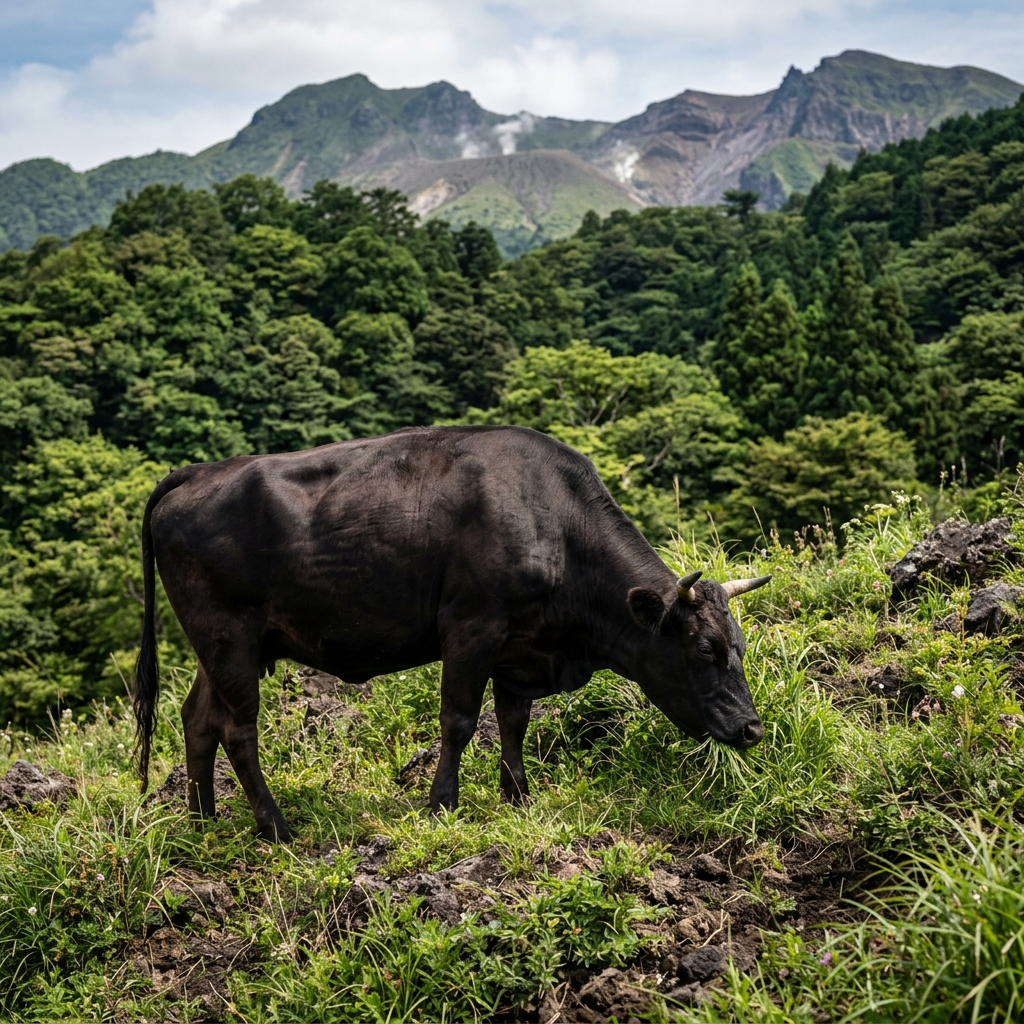
The farmers of Ibusana refuse to pump their cattle full of artificial supplements to force excessive marbling. The cattle are allowed to live active lives, feeding on natural, locally sourced roughage, rice straw, and high-quality local grains. They are reared for a lengthy 30 to 32 months, allowing the muscle fibers to mature naturally.
The result is a beef that completely defies the traditional A5 grading system. It is not pale white; it is a deep, vibrant, and healthy gemstone ruby red. The marbling is not a heavy blanket of grease, but a delicate, fine-mesh network of high-oleic acid fat that acts simply as a seasoning to amplify, rather than mask, the natural flavor of the meat.
Chapter 4: "Uma-Aka" – The Anatomy of Delicious Lean Meat
Because Ibusana Beef is allowed to mature slowly and exercise its muscles, the flavor profile is characterized by an incredibly intense, savory complexity known as "Uma-Aka" (delicious lean red meat).
Unlike standard A5 Wagyu, which relies on fatty sweetness, Ibusana gets its magic from the high concentration of iron, amino acids, and minerals within the red muscle fibers themselves. The ancient Takenotani DNA ensures that the meat is exceptionally dense and packed with flavor.
When you chew Ibusana Beef, you are met with a powerful, deeply satisfying bite. It is not tough, but it possesses a distinct, resilient structure that demands a robust chew. With every single bite, a wave of savory, iron-rich, and deeply complex beef juices is released. The fat melts cleanly, providing a light, elegant sweetness, but it is the profound, savory depth of the crimson muscle that leaves a permanent impression on your memory. It is a beef that tastes like pure, unrefined animal energy.
Chapter 5: The Fire and Wood Cooking Experience
Because Ibusana Beef possesses such a dense, robust muscle structure and a clean, high-oleic fat profile, it is completely unsuited for standard electric or gentle gas-grill cooking. It requires the raw, intense energy of real fire and smoke to unlock its true character.
The Wood-Fired "Maki-yaki" Grill
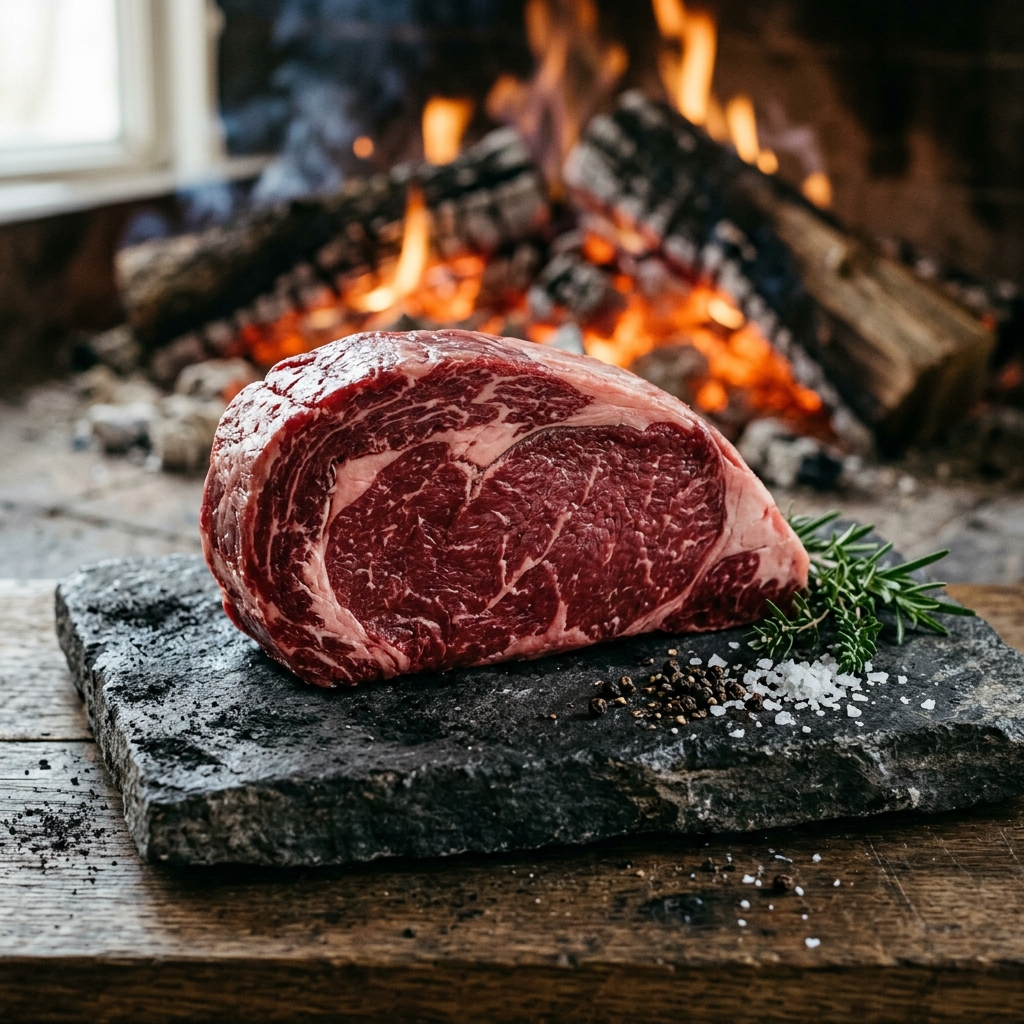
The absolute pinnacle of the Ibusana culinary experience is Maki-yaki—cooking the beef over raging wood fires and high-quality charcoal.
The intense, direct heat of the wood fire quickly sears the outer edge of the dense muscle, creating a smoky, highly caramelized crust. The high temperature forces the tight muscle fibers to contract, trapping an immense volume of savory, iron-rich juices within the core.
When sliced, the meat remains a beautiful, deep medium-rare. The smoky aroma of the wood fire perfectly complements the robust, gamey, and iron-dense flavor of the red meat. Pair it simply with a sprinkle of coarse rock salt or a light touch of fresh wasabi. Every bite delivers a primal, deeply satisfying explosion of pure, unadulterated animal flavor that is completely unmatched by the pale, fatty sweetness of standard A5 Wagyu.
Chapter 6: The Ultimate Gastronomic Journey
Because Ibusana Beef is produced on an extremely small scale—with only about 15 to 20 cattle slaughtered annually—it is a culinary treasure of extreme exclusivity. You will not find this legendary beef in standard supermarkets or mainstream tourist restaurants.
The Exclusive Home of the Takenotani Rebellion There is only one place in the world where international travelers can experience the complete, unrefined culinary genius of this legendary beef.
At Wagyu Yakiniku Ibusana in Tokyo, the entire menu is designed around the raw, wood-fired majesty of Moriki Shokusan's elite herd. Prepared on their signature open-fire wood grill, every cut of Ibusana—from the exceptionally dense tongue and rich skirt to the beautifully balanced sirloin—is masterfully cooked to unleash its primal "Uma-Aka" soul.
Because of the extremely limited production, tables are highly coveted and must be secured well in advance. Do not settle for the pale, greasy illusion of standard A5. Tap the link below to reserve your exclusive table at the vanguard of the Wagyu rebellion.
Taste Ibusana Beef in Tokyo
Experience the finest quality Wagyu directly at our curated restaurants.
Reserve Yakiniku