Bushu Wagyu
The Historic Pride of the Kanto Region. Raised with an intense focus on cleanliness and slow fattening, this Saitama Wagyu offers an incredibly refined, delicate fat that melts perfectly clean.
Bushu Wagyu: The Historic Pride of the Kanto Region
When exploring the hierarchy of Japanese beef, the Kansai region (Kobe, Matsusaka, Omi) and the southern islands (Miyazaki, Kagoshima) often dominate the spotlight. However, the Kanto region, particularly Saitama Prefecture, has a deep, historically significant beef culture that produces a Wagyu of incredible refinement and elegance.
This is Bushu Wagyu (武州和牛 - Bushu-gyu).
Raised in the nutrient-rich basins of Saitama, historically known as the Musashi (Bushu) Province, this Wagyu represents the pinnacle of traditional Kanto beef production. Driven by a philosophy of slow, steady growth and extreme cleanliness, Bushu Wagyu is defined by a delicate, sweet fat that melts impeccably clean. This comprehensive, multi-part master guide will explore the historic terroir of Saitama, the meticulous Kanto rearing philosophy, its highly elegant flavor profile, and the contrast it presents to heavier, more robust beef.
Chapter 1: The Historic Bushu Terroir
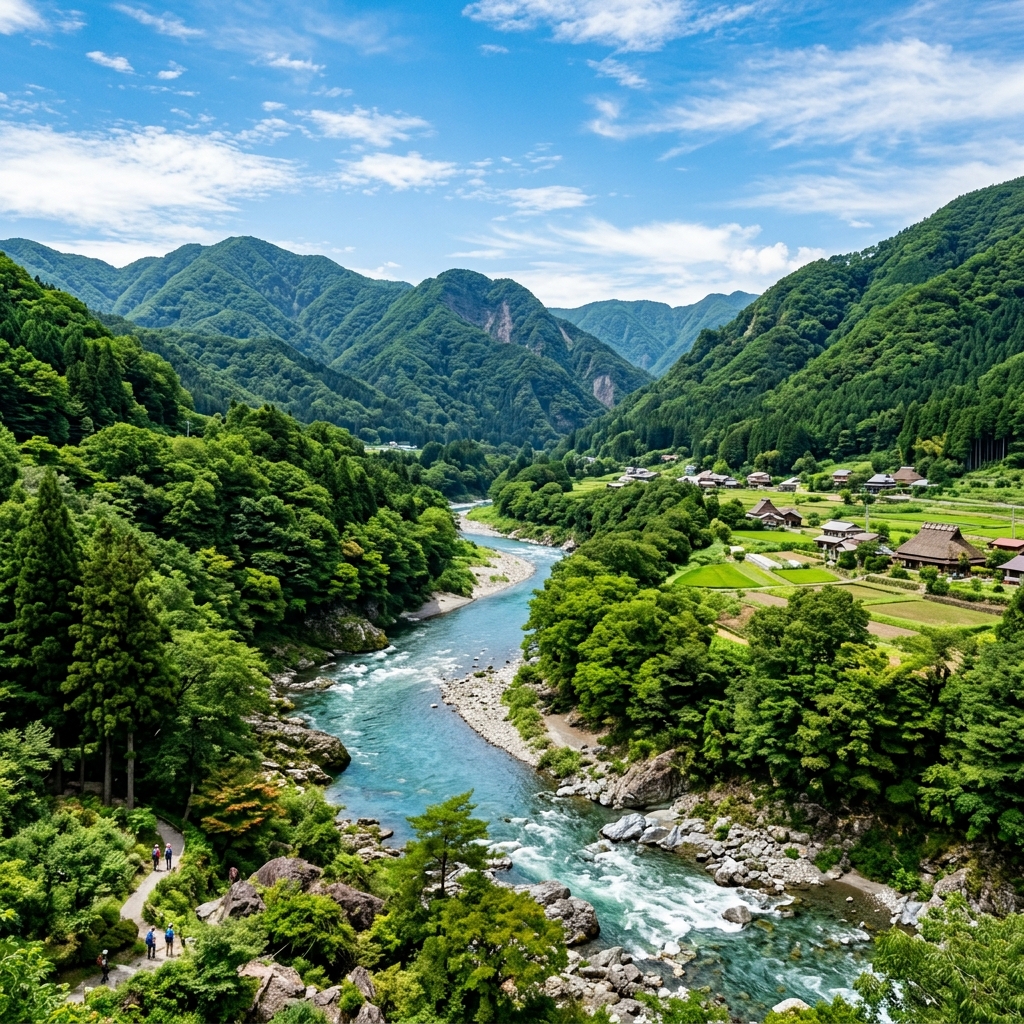
Saitama Prefecture is geographically diverse, ranging from the dense, mountainous Chichibu region in the west to the vast, fertile plains of the Kanto basin in the east. This transition zone creates an incredibly rich agricultural terroir.
The key to Bushu Wagyu lies in the water and the seasonal climate. The Arakawa River, originating in the Chichibu mountains, provides an abundant supply of pristine, mineral-rich snowmelt that flows down into the basin. The climate is characterized by clear, distinct seasons—hot, humid summers and very cold, dry winters driven by the strong "Karakkaze" (dry winter winds) unique to the Kanto plain.
This distinct seasonality is crucial. The summer heat encourages the cattle to eat heartily and build muscle, while the harsh, dry winter winds trigger a biological response that forces the cattle to develop a fine layer of insulating fat. This natural, seasonal cycle ensures that the marbling develops steadily over time, rather than being rapidly forced through unnatural feeding.
Chapter 2: The Kanto Philosophy of Cleanliness
While the terroir provides the foundation, the defining characteristic of Bushu Wagyu is the strict, historical rearing philosophy of the Kanto farmers.
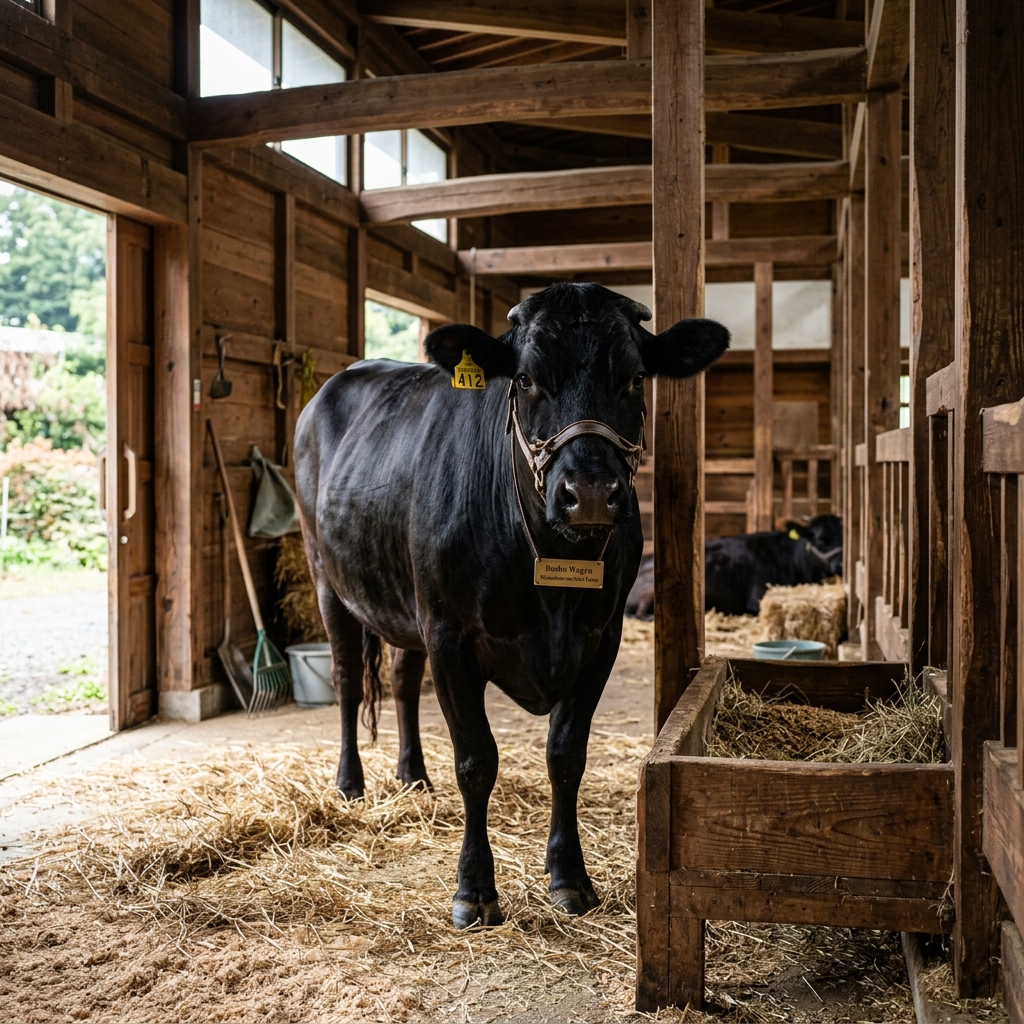
In Saitama, there is a profound emphasis on cleanliness and slow growth. The barns are meticulously maintained, ensuring the cattle are never stressed by poor hygiene or cramped conditions. The farmers of Bushu Wagyu believe that a clean environment directly translates to a clean flavor in the meat.
Furthermore, the feed is carefully managed. Rather than aggressively pushing the cattle to gain maximum weight as quickly as possible, Bushu farmers utilize high-quality domestic rice straw and a precisely balanced grain mix over an extended period. This slow-fattening process prevents the development of thick, greasy tallow. Instead, the fat is allowed to mature and refine over time, resulting in a marbling that is structurally delicate and incredibly pure.
Chapter 3: The Clean, Refined Marbling
Visually, Bushu Wagyu reflects the meticulous nature of its rearing.
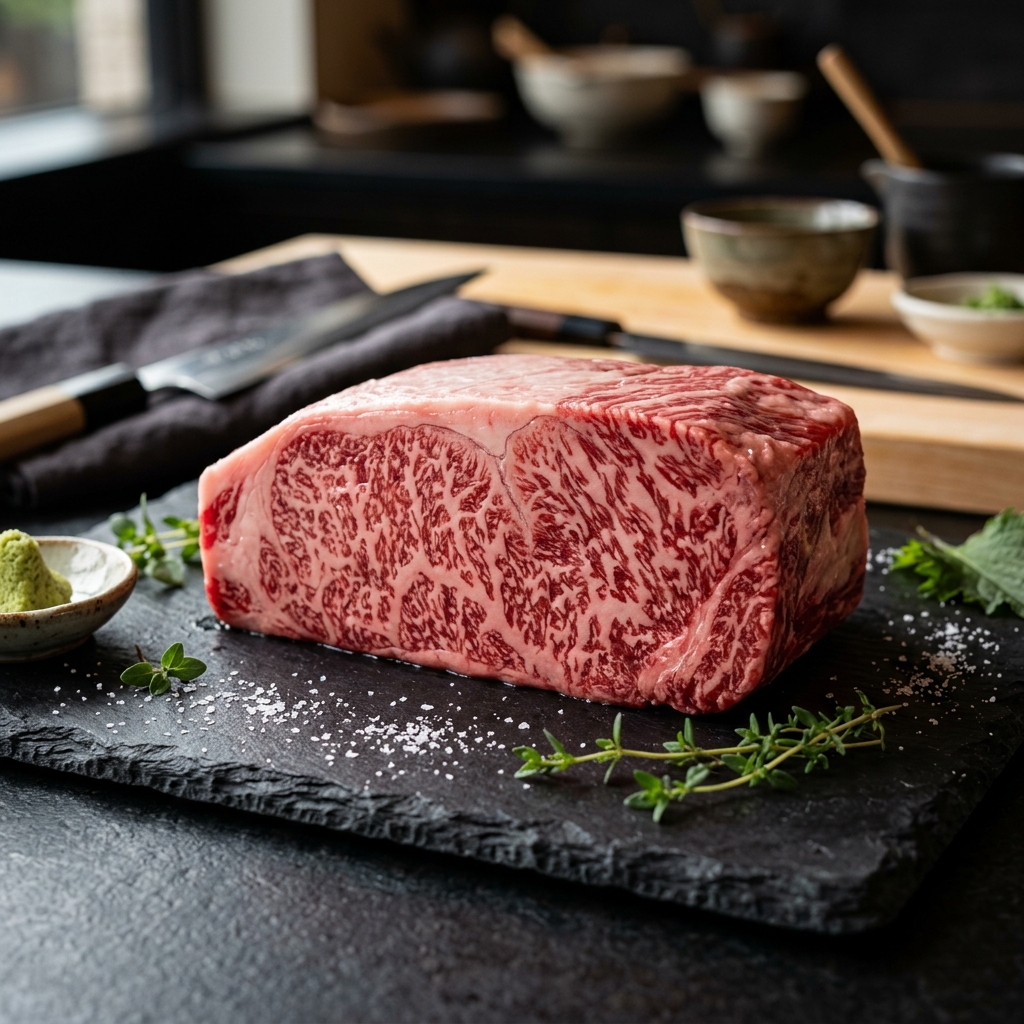
The marbling (sashi) is intense, yet it lacks the opaque, heavy appearance sometimes associated with rapid-fattening methods. The fat in Bushu Wagyu is incredibly bright and clean, weaving through the vibrant red muscle in a highly refined, intricate pattern.
Because the cattle are raised in such a stress-free, meticulously clean environment, the meat possesses a remarkable purity. There is no dullness to the color; it is a vivid, healthy crimson. The fat, due to the slow maturation process and the high-quality domestic rice straw, has a beautiful luster and a remarkably low melting point, beginning to glisten almost instantly at room temperature.
Chapter 4: The Elegant, Melting Sweetness
The flavor of Bushu Wagyu is a masterclass in Kanto elegance.
When tasted, it does not overwhelm the palate with a heavy, aggressive umami or a thick, greasy coating. Instead, Bushu Wagyu is defined by its clean, melting sweetness. The fat dissolves instantly, washing over the tongue with a delicate, refined flavor that is incredibly pleasant and polite.
This clean finish is the direct result of the slow-fattening philosophy. Because the fat is allowed to mature properly, it breaks down effortlessly in the mouth, leaving behind a subtle, savory sweetness that encourages the diner to eat more without ever feeling fatigued. It is a highly sophisticated Wagyu, designed for those who appreciate subtlety, clean flavors, and an incredibly delicate melt.
Chapter 5: The Culinary Experience – The Elegant Edo-Style Sukiyaki
Because Bushu Wagyu possesses such a clean, delicate sweetness, it is the perfect Wagyu for traditional Kanto (Edo-style) Sukiyaki.
The Warishita Simmer
Unlike Kansai-style Sukiyaki, where the meat is fried first, Kanto-style Sukiyaki involves simmering the meat directly in a perfectly balanced Warishita (a pre-mixed broth of soy sauce, mirin, sake, and sugar).
When a pristine slice of Bushu Wagyu is gently simmered in the Warishita, the delicate fat renders slowly into the broth, enriching the liquid without turning it greasy. The meat absorbs the savory-sweet notes of the broth while retaining its incredibly soft, melting texture. Eaten with traditional Kanto vegetables like Tokyo Negi and dipped in raw egg, it provides a profoundly comforting, elegant dining experience. It highlights the clean purity of the beef, showcasing why Saitama's historic Wagyu is so revered by traditionalists.
Chapter 6: The Ultimate Contrast – The Clean Elegance vs. The Ancient Primal Power
Bushu Wagyu is a masterpiece of Kanto tradition and meticulous rearing. By leveraging the distinct seasons of Saitama and adhering to a strict philosophy of cleanliness and slow fattening, farmers produce a Wagyu defined by an incredibly clean, melting fat and an elegant, delicate sweetness. It is the absolute pinnacle of "Refined Kanto Wagyu."
However, if Bushu Wagyu represents the ultimate pursuit of a clean, delicate melt achieved through modern Kanto refinement, what happens when you look for a Wagyu that completely rejects delicate sweetness, and instead focuses entirely on the uncompromising, ancient, primal power of heavily exercised red meat born from pure, ancient genetics?
Experience the Ancient Contrast in Tokyo Bushu Wagyu is the historic masterpiece of Saitama, famous for its immaculate rearing and incredibly clean, delicate fat. But if you wish to experience the absolute, unadulterated opposite of this "polite, refined elegance"—a meat that demands a powerful chew to release its deep, iron-rich, uncompromising red-meat complexity—you must look to the ancient bloodlines of the south.
Ibusana Beef, raised exclusively in Miyazaki Prefecture, is an incredibly rare crossbreed containing the genetics of Japan's oldest purebred, the Takenotani Tsurugyu. While Bushu utilizes slow fattening to perfect its delicate melt, Ibusana completely rejects extreme marbling. It relies solely on ancient, wild genetics and natural roughage to produce profound "Uma-Aka" (delicious lean meat). It offers a deep, complex, iron-rich umami and a powerful, heavy bite that feels entirely wild and untamed, offering a shocking, masculine contrast to the clean, polite elegance of Bushu Wagyu.
You can experience this incredibly rare, wildly meaty contrast to the historic Bushu Wagyu exclusively at Wagyu Yakiniku Ibusana in Tokyo. Reserve your table to taste the original, unrefined soul of Wagyu red meat.
Taste Bushu Wagyu in Tokyo
Experience the finest quality Wagyu directly at our curated restaurants.
Reserve Yakiniku