Oita Bungo Beef
The Geothermal Melt of the Hot Spring Capital. With a century-old bloodline, this Prime Minister's Award-winning Wagyu is defined by an incredibly high oleic acid content and an instantaneous, clean melt.
Oita Bungo Beef: The Geothermal Melt of the Hot Spring Capital
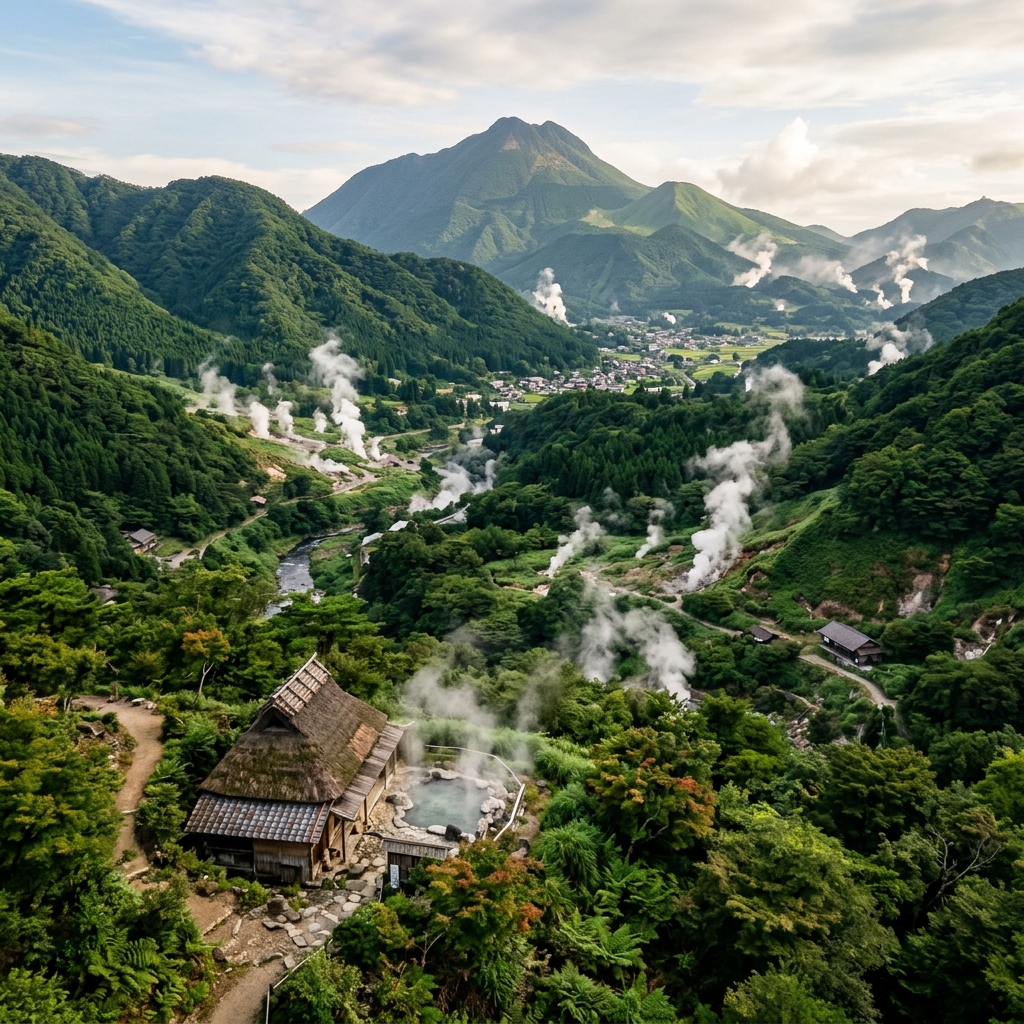
When traveling through Kyushu, Oita Prefecture is instantly recognizable by the massive plumes of steam rising from the valleys. Known globally as the "Onsen Prefecture" (Hot Spring Prefecture), Oita boasts the highest yield of hot spring water in all of Japan, famously centered around Beppu and Yufuin.
What is less known globally, however, is that this deeply geothermal, mineral-rich environment is home to one of Japan's most decorated and historic Wagyu brands: Oita Bungo Beef (おおいた豊後牛).
With a history that spans over a century, Bungo Beef is a reigning champion of the Japanese beef industry, having won the Prime Minister's Award at the prestigious National Wagyu Competitive Exhibition. It is a brand defined by its incredibly high concentration of oleic acid and an almost impossibly delicate, melting texture. This comprehensive, multi-part master guide will explore the geothermal terroir of Oita, the historic bloodlines of the herd, its scientifically proven melting profile, and the contrast it presents to Wagyu raised without such profound mineral influence.
Chapter 1: The Geothermal Terroir
The environment of Oita Prefecture is fundamentally shaped by geothermal activity. The mountains are lush and deep green, but beneath the surface, the earth is incredibly active.
This geological reality has a profound impact on agriculture. The water that flows down from the Kuju mountain range and the surrounding peaks is heavily enriched with natural minerals from the volcanic soil. The cattle that are raised in Oita drink this pristine, mineral-dense water every single day.
Furthermore, the geothermal activity creates a unique microclimate. While Kyushu is generally warm, the high-altitude valleys where the cattle are raised experience significant temperature variations between day and night. However, the abundance of warm spring water and the generally fertile soil ensure that the cattle have a remarkably comfortable, low-stress environment. The combination of clean air, mineral-rich water, and a comfortable climate provides the perfect foundation for raising champion Wagyu.
Chapter 2: A Century of Bloodline Mastery
Bungo Beef is not a new, trendy brand. It has a history that stretches back to 1918.
The farmers of Oita have spent over a century meticulously refining the genetics of their herd. They don't just rely on famous external bloodlines; they have cultivated incredibly strong local lineages. The most famous of these was a bull named "Itozaku," whose incredible genetics helped propel Bungo Beef to national prominence.
This century of dedication is evident in the brand's national standing. At the 11th National Wagyu Competitive Exhibition in 2017 (the "Wagyu Olympics"), Oita Bungo Beef won the prestigious Prime Minister's Award. The judges recognized that the long history of careful breeding in Oita's unique environment had produced a meat quality that was objectively superior, specifically highlighting its astonishingly soft fat profile.
Chapter 3: The Oleic Acid Masterpiece
The defining scientific characteristic of Oita Bungo Beef is its incredibly high concentration of oleic acid.
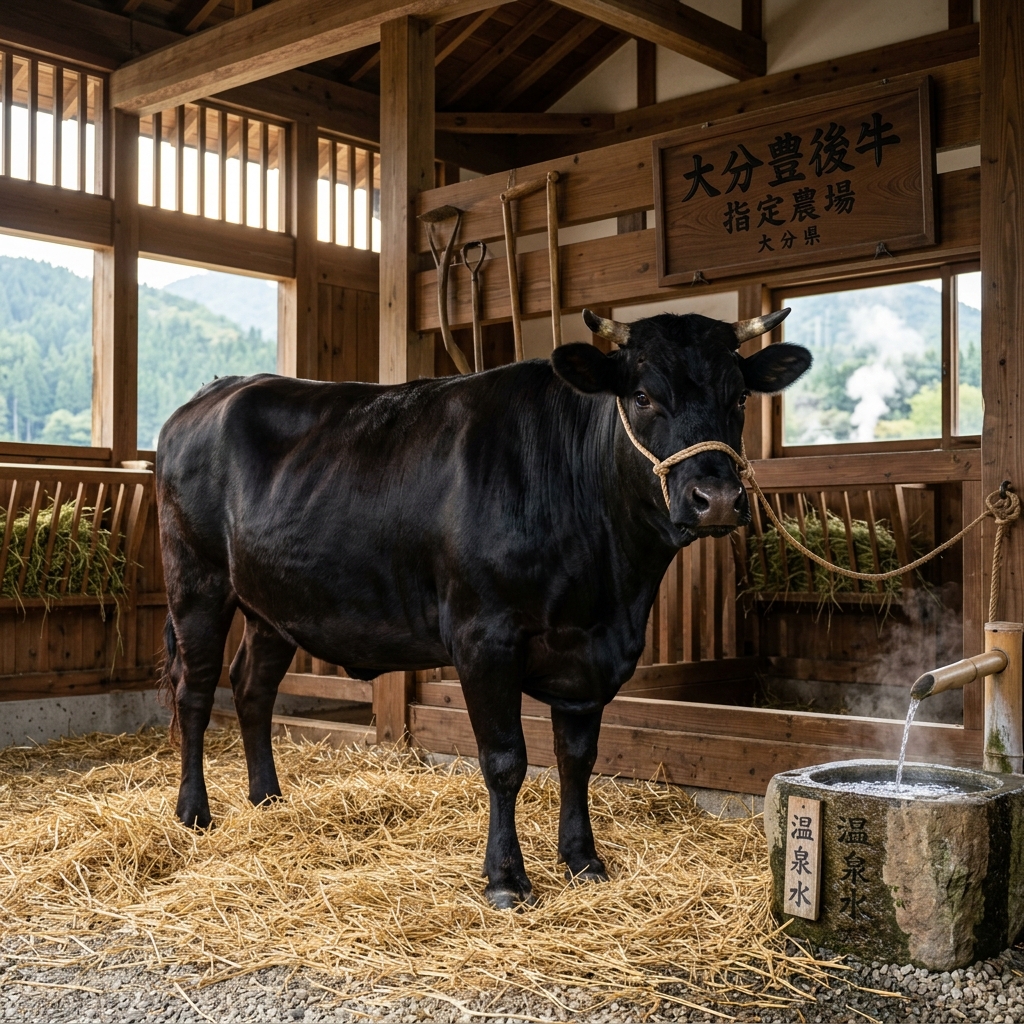
Oleic acid is the primary monounsaturated fat found in olive oil, and in Wagyu, it is the key indicator of how the fat will behave when eaten. The farmers of Bungo Beef use specially formulated feed (often including rice and local byproducts) to maximize this specific fatty acid. In fact, Oita has established a supreme sub-tier called "Oita Wagyu," which requires the meat to have a spectacularly high, scientifically measured oleic acid content.
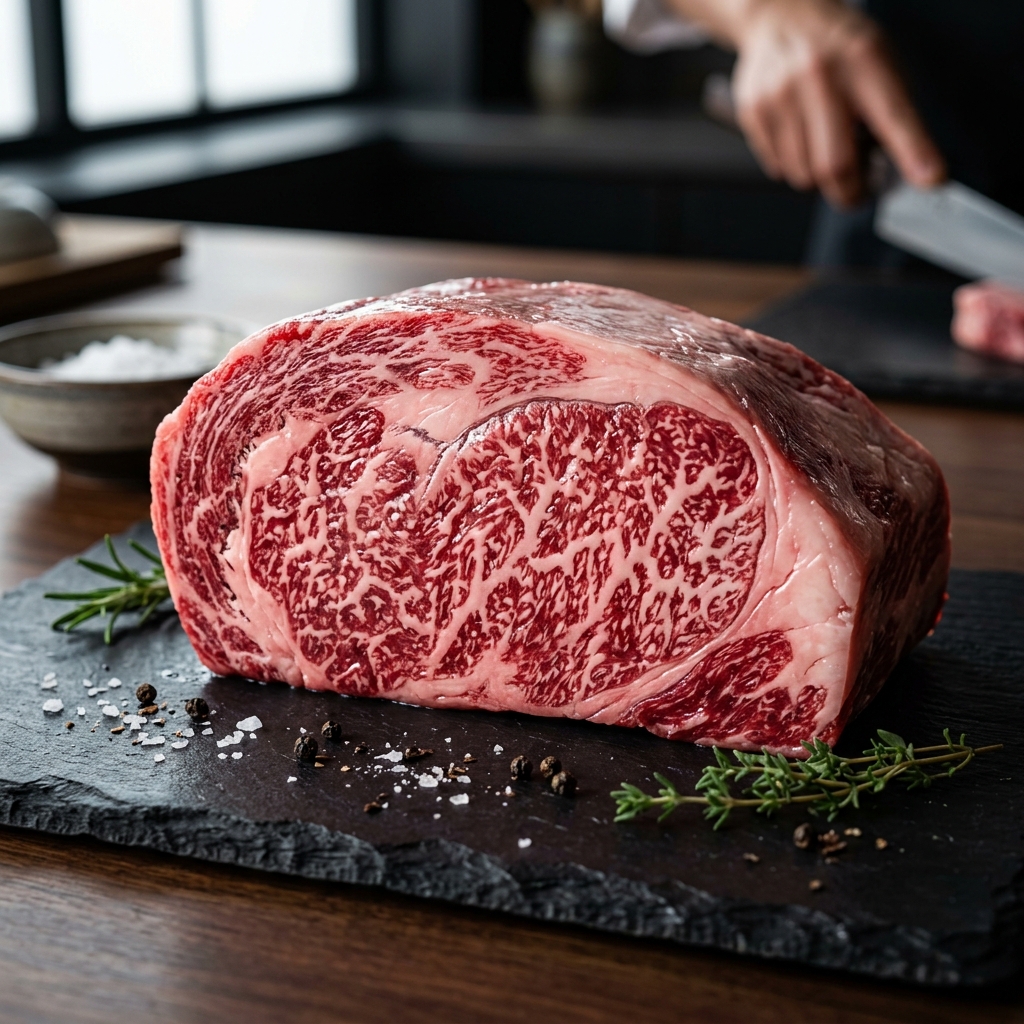
Visually, this results in marbling that is incredibly glossy and fine. It doesn't look like hard, white tallow; it looks soft and slightly translucent. The fat begins to melt almost instantly at room temperature, creating a cut of beef that looks incredibly fresh and appetizing even before cooking.
Chapter 4: The Instantaneous Melt
Because the oleic acid content is so exceptionally high, the flavor profile of Bungo Beef is dominated by an instantaneous, luxurious melt.
When you place a piece of Bungo Beef on your tongue, you do not need to chew immediately. The heat of your mouth is enough to dissolve the delicate marbling. It releases a flavor that is incredibly sweet and clean, entirely devoid of any heavy, greasy aftertaste. It is a "light" richness—a paradox that is only achievable through decades of genetic refinement.
The red meat itself provides a very elegant, savory foundation. Because the cattle drink mineral-rich spring water, the meat possesses a subtle, clean minerality that perfectly balances the sweet, melting fat. It is a harmonious, elegant flavor profile that perfectly represents the serene, hot-spring terroir of Oita Prefecture.
Chapter 5: The Culinary Experience – The Steamed Melt
Because Bungo Beef possesses such a high oleic acid content and an incredibly delicate melt, it performs wonderfully when cooked gently, rather than being subjected to extreme, aggressive heat.
The Bamboo Seiro Steaming
A spectacular way to experience the pure, clean melt of Bungo Beef is by steaming it in a traditional bamboo seiro alongside local Oita vegetables.
By gently steaming thin slices of the beef, the incredibly low-melting fat slowly renders, basting the meat entirely in its own sweet oils without allowing any of the delicate flavor to escape into a pan or grill. The resulting meat is impossibly tender and retains 100% of its moisture. When dipped lightly in a high-quality ponzu sauce (perhaps made with local kabosu citrus from Oita), the acidity perfectly balances the sweet, melting fat. It is a profoundly elegant, clean, and healthy way to experience one of Japan's most celebrated Wagyu brands.
Chapter 6: The Ultimate Contrast – The Clean Geothermal Melt vs. The Ancient Primal Power
Bungo Beef is a masterpiece of the geothermal Oita terroir. By utilizing a century of genetic refinement and a mineral-rich environment, the farmers produce a Prime Minister's Award-winning Wagyu defined by its incredibly high oleic acid content and an instantaneous, clean melt. It is the absolute pinnacle of delicate, sweet Wagyu perfection.
However, if Bungo Beef represents the ultimate pursuit of clean, melting fat achieved through century-old genetics, what happens when you look for a Wagyu that completely rejects delicate melting fat, and instead focuses on the uncompromising, ancient, primal power of heavily exercised red meat?
Experience the Ancient Contrast in Tokyo Bungo Beef is the award-winning masterpiece of Oita, famous for its incredibly high oleic acid content that melts instantly to release a clean, sweet richness. But if you wish to experience the absolute, unadulterated opposite of this "clean, instantaneous melt"—a meat that demands a powerful chew to release its deep, savory, uncompromising red-meat complexity—you must look to the deep south.
Ibusana Beef, raised exclusively in Miyazaki Prefecture, is an incredibly rare crossbreed containing the genetics of Japan's oldest purebred, the Takenotani Tsurugyu. While Bungo perfects the extreme, high-oleic melt of modern Wagyu, Ibusana completely rejects extreme fat. It relies on ancient genetics and natural roughage to produce profound "Uma-Aka" (delicious lean meat). It offers a deep, complex, iron-rich umami and a powerful, heavy bite that feels entirely wild and untamed, offering a shocking, masculine contrast to the incredibly delicate, sweet elegance of Bungo Beef.
You can experience this incredibly rare, wildly meaty contrast to the highly refined Bungo Beef exclusively at Wagyu Yakiniku Ibusana in Tokyo. Reserve your table to taste the original, unrefined soul of Wagyu red meat.
Taste Oita Bungo Beef in Tokyo
Experience the finest quality Wagyu directly at our curated restaurants.
Reserve Yakiniku