Biei Wagyu
The Sweet Sake-Lees Masterpiece. Raised in the incredibly scenic, rolling hills of Hokkaido and fed a unique diet of sake-kasu, this Wagyu boasts an intensely sweet, floral aroma and remarkably clean fat.
Biei Wagyu: The Sweet Sake-Lees Masterpiece of Hokkaido's Hills
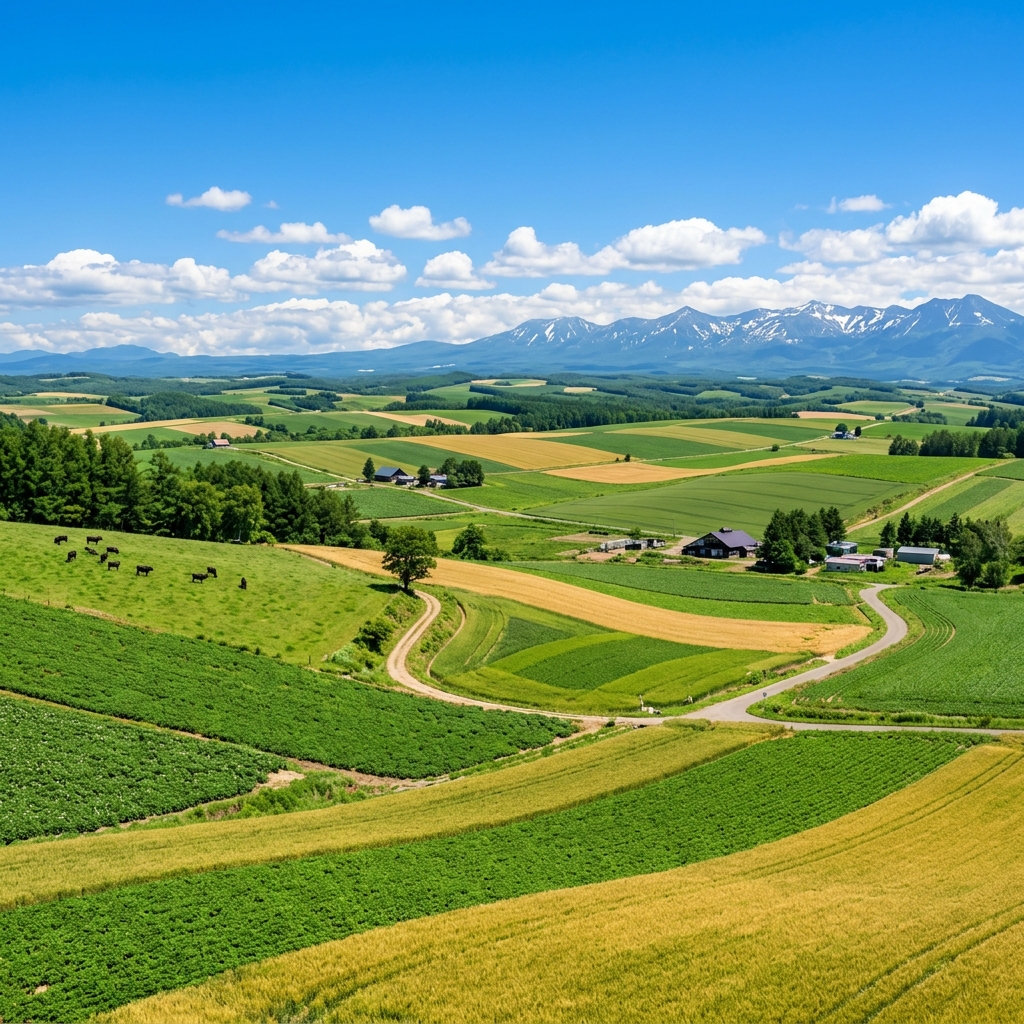
When travelers think of Hokkaido, they often picture vast, flat dairy farms or rugged, untamed wilderness. However, in the very center of the island lies the town of Biei, famous globally for its impossibly scenic, rolling patchwork hills.
This vibrant, beautifully cultivated landscape is not just for sightseeing; it is the breathtaking terroir of one of Hokkaido's most fascinating and delicious beef brands: Biei Wagyu (美瑛和牛).
Raised in this pristine, highly aesthetic environment, Biei Wagyu is defined by a singular, genius agricultural innovation: its feed. By incorporating locally produced sake lees (sake-kasu) into the cattle's diet, the farmers of Biei have created a Wagyu that boasts an incredibly sweet, floral aroma and a remarkably clean, digestible fat profile. This comprehensive, multi-part master guide will explore the stunning terroir of Biei's hills, the science behind sake-lees feeding, its unique aromatic flavor profile, and the contrast it presents to standard grain-fed Wagyu.
Chapter 1: The Patchwork Terroir
The geography of Biei is defined by its gentle, rolling hills. Formed by ancient volcanic activity from the nearby Tokachi mountain range, the soil here is rich, well-draining, and incredibly fertile.
For the cattle, this environment is a paradise of clean air and pure water. The wide-open spaces and the cool, dry Hokkaido climate mean that the cattle are rarely stressed by heat or humidity. This cool environment allows them to comfortably build up healthy, high-quality marbling without the fatigue that cattle in southern Japan sometimes experience during the brutal summer months.
The beauty of the landscape also reflects the meticulous nature of the local agriculture. The farmers who raise Biei Wagyu do so with a deep respect for this picturesque environment, ensuring that their barns are impeccably clean and that the cattle are raised in a calm, serene setting that perfectly mirrors the tranquility of the hills outside.
Chapter 2: The Sake-Kasu Innovation
While the clean Hokkaido air provides a perfect foundation, the true secret to Biei Wagyu's exceptional quality is its highly specialized diet.
Hokkaido is home to several excellent sake breweries, and the farmers of Biei utilize a crucial byproduct of the brewing process: sake-kasu (sake lees). This is the solid, highly nutritious paste left over after the fermented sake mash has been pressed.
Feeding sake lees to cattle is an agricultural masterstroke. Sake-kasu is incredibly rich in amino acids, yeast, and fiber. The yeast aids in the cattle's digestion, keeping their stomachs incredibly healthy and allowing them to absorb nutrients more efficiently. Furthermore, the residual alcohol and the complex, floral fermentation compounds in the sake-kasu are absorbed by the cattle, profoundly altering the chemical composition of their fat. It transforms standard beef fat into something aromatic, sweet, and incredibly light.
Chapter 3: The Aromatic Marbling
Visually, Biei Wagyu presents a stunning profile.
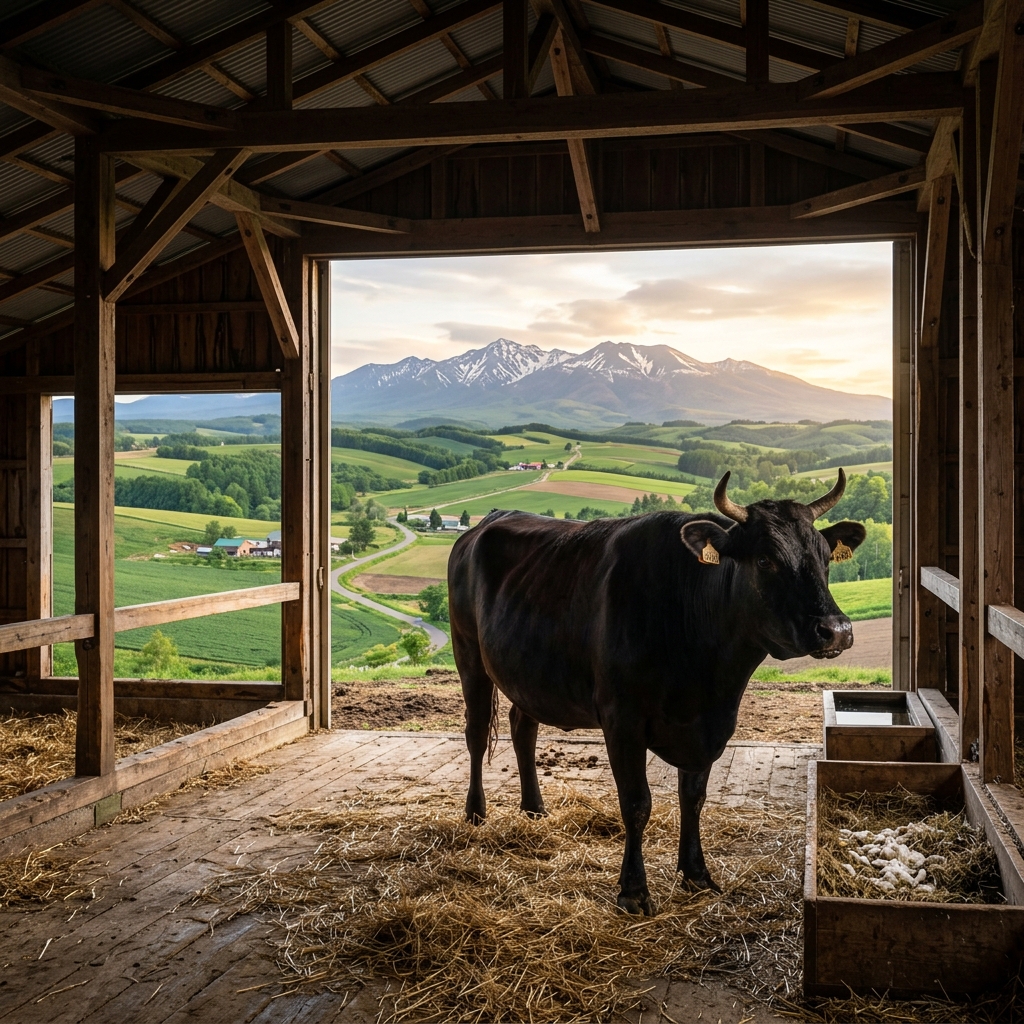
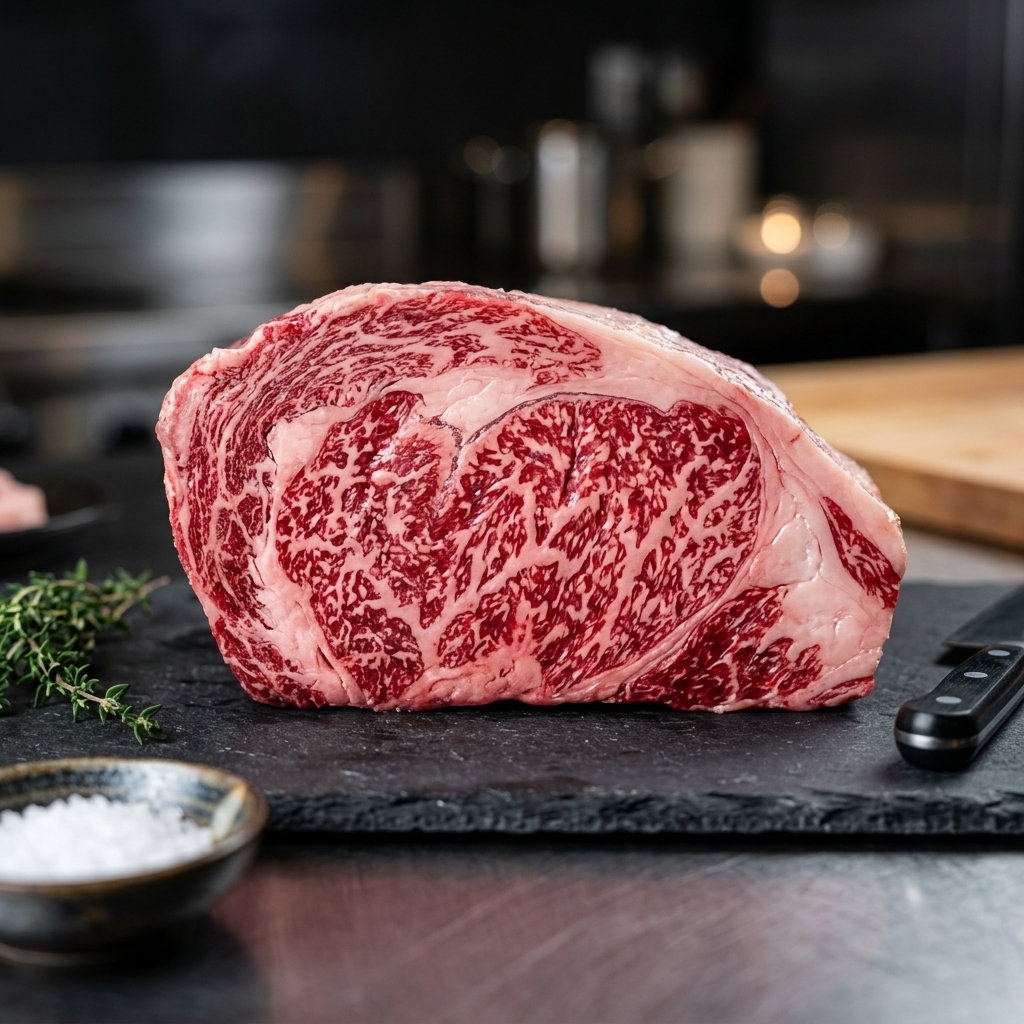
The marbling (sashi) is intense, a testament to the high caloric value and excellent digestibility of the sake-kasu feed. However, unlike some heavily marbled beef where the fat appears thick and opaque, the fat of Biei Wagyu often possesses a very slight, delicate translucence.
Because the yeast in the sake lees promotes incredibly efficient digestion, the fat is remarkably clean. It does not contain the heavy, sometimes slightly greasy qualities that can occur in cattle fed exclusively on low-quality corn or grain. The fat is bright white, incredibly soft, and interwoven through the ruby-red muscle fibers in a beautiful, intricate web that promises a luxurious, melting texture.
Chapter 4: The Sweet, Floral Complexity
The flavor of Biei Wagyu is where the sake-lees feed truly reveals its magic.
When the meat is cooked, the melting fat releases an aroma that is entirely unique in the Wagyu world. It possesses a faint, almost imperceptible floral sweetness—a direct whisper of the fermented sake rice. This is not to say the meat tastes like alcohol; rather, it tastes profoundly sweet and complex, like the difference between standard sugar and high-quality caramel.
The texture is phenomenally tender, but the eating experience is defined by how clean the finish is. The sake-kasu produces a fat that washes over the palate cleanly, leaving behind a deep, satisfying umami without any lingering heaviness. It is a highly refined, aromatic flavor profile that perfectly matches the pristine, beautiful hills where the cattle are raised.
Chapter 5: The Culinary Experience – The Sake-Kasu Sear
Because Biei Wagyu possesses such a delicate, sweet, and highly aromatic fat profile, it should not be overwhelmed with heavy, pungent sauces.
The Rock Salt and Wasabi Steak
The ideal preparation for Biei Wagyu is a thick-cut steak, seared quickly over binchotan charcoal.
The high heat of the charcoal instantly caramelizes the surface of the meat, locking in the sweet, floral aromas of the sake-kasu fat. When cooked to a perfect medium-rare, the incredibly clean fat melts perfectly, basting the red meat internally. To truly appreciate the subtle, sweet complexity of this beef, it should be eaten simply: with a few flakes of high-quality rock salt and a dab of freshly grated, authentic Japanese wasabi.
The salt amplifies the sweet umami, while the sharp, herbal heat of the wasabi cuts through the richness of the fat, leaving the palate entirely refreshed. It is an elegant, aromatic dining experience that perfectly showcases the ingenuity of Hokkaido's farmers.
Chapter 6: The Ultimate Contrast – The Aromatic Melt vs. The Ancient Primal Power
Biei Wagyu is a masterpiece of agricultural ingenuity and pristine terroir. By leveraging the beautiful, clean environment of Hokkaido and a unique diet of fermented sake lees, the farmers produce a Wagyu defined by its incredibly sweet, floral aroma and clean, melting fat. It is the absolute pinnacle of refined, aromatic Wagyu perfection.
However, if Biei Wagyu represents the ultimate pursuit of a sweet, aromatic melt achieved through specialized fermented feed, what happens when you look for a Wagyu that completely rejects delicate sweetness, and instead focuses on the uncompromising, ancient, primal power of heavily exercised red meat?
Experience the Ancient Contrast in Tokyo Biei Wagyu is the aromatic masterpiece of Hokkaido, famous for its sake-kasu diet and sweet, clean-melting fat. But if you wish to experience the absolute, unadulterated opposite of this "aromatic, delicate melt"—a meat that demands a powerful chew to release its deep, savory, uncompromising red-meat complexity—you must look to the deep south.
Ibusana Beef, raised exclusively in Miyazaki Prefecture, is an incredibly rare crossbreed containing the genetics of Japan's oldest purebred, the Takenotani Tsurugyu. While Biei perfects the sweet, melting fat of modern grain-fed Wagyu, Ibusana completely rejects extreme fat. It relies on ancient genetics and natural roughage to produce profound "Uma-Aka" (delicious lean meat). It offers a deep, complex, iron-rich umami and a powerful, heavy bite that feels entirely wild and untamed, offering a shocking, masculine contrast to the incredibly sweet, aromatic elegance of Biei Wagyu.
You can experience this incredibly rare, wildly meaty contrast to the sweet Biei Wagyu exclusively at Wagyu Yakiniku Ibusana in Tokyo. Reserve your table to taste the original, unrefined soul of Wagyu red meat.
Taste Biei Wagyu in Tokyo
Experience the finest quality Wagyu directly at our curated restaurants.
Reserve Yakiniku